
Central Texas Roofing Expert
Roof Leak Repair in Austin, TX
A roof leak rarely looks like what it is. The water stain on your ceiling might be three feet away from where water is actually getting in. That gap between where you see the damage and where the problem lives is exactly where most repairs go wrong.
Altitude Roofing has been finding and fixing roof leaks across Austin and Central Texas for over 20 years. We don’t patch the stain and call it done. We trace the leak back to its source so the repair actually holds.
Get Your Free Inspection
Please fill out the form below to schedule your roof inspection. Our team will contact you within 24 hours to confirm the details.
- No obligation. 100% Free Estimate.
What a Roof Inspection Actually Covers
A basic visual walk-around is not an inspection. When Altitude Roofing inspects a roof, we work through the entire system, not just the shingles you can see from the ground.
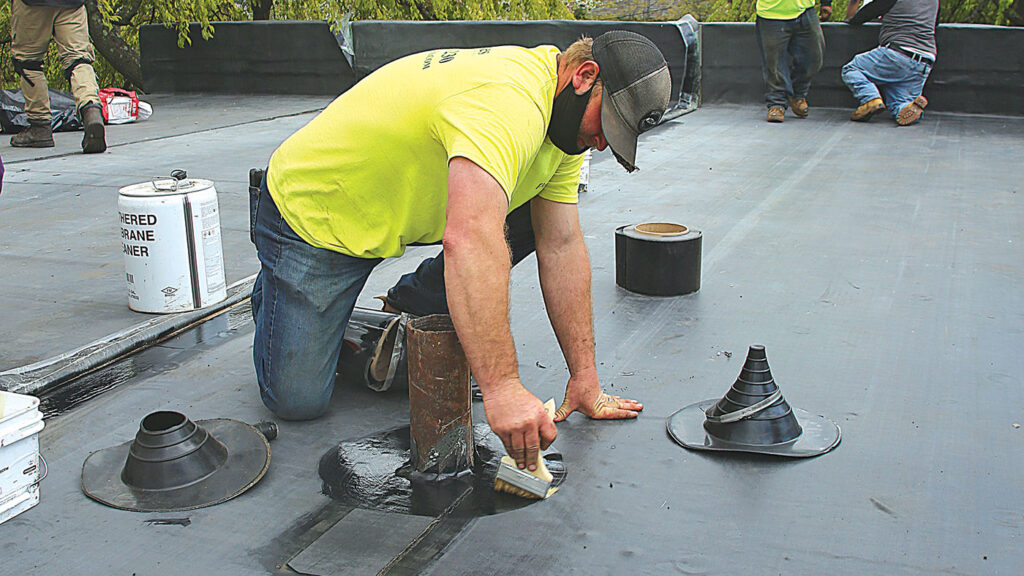
Flashing and penetrations
This is where most leaks begin. We inspect the metal flashing around chimneys, vents, skylights, and pipe boots. Flashing can lift, separate, or corrode without any visible shingle damage above it.
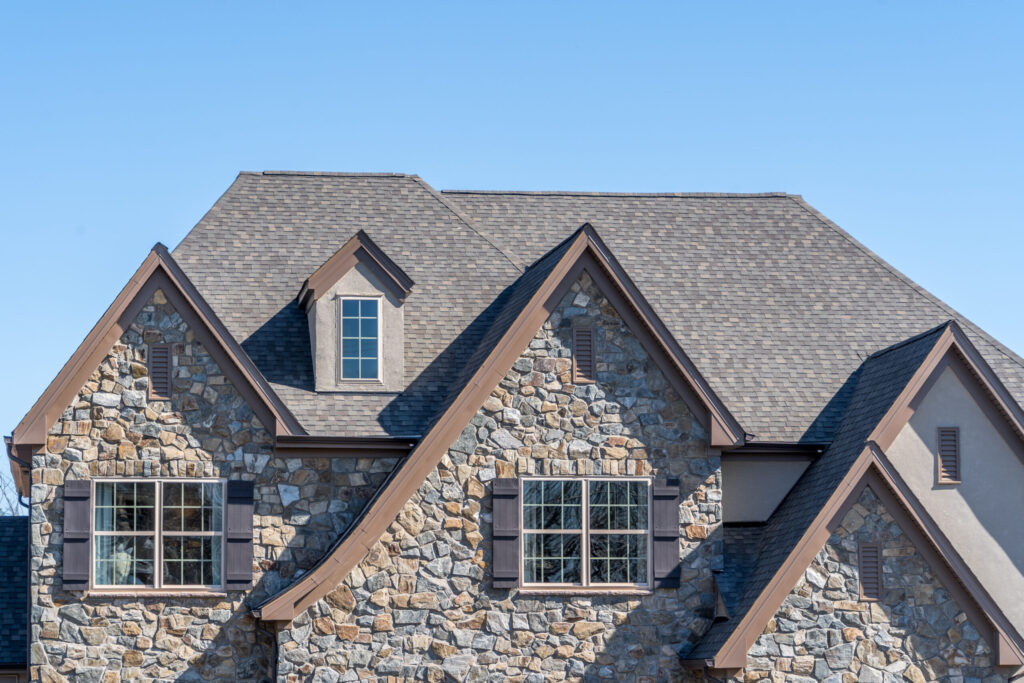
Valleys and drainage
Roof valleys concentrate water flow. We check that they are clear, properly sealed, and that water has a clean path to the gutters. Poor drainage is one of the fastest ways to shorten a roof's life in a climate that can dump several inches of rain in under an hour.
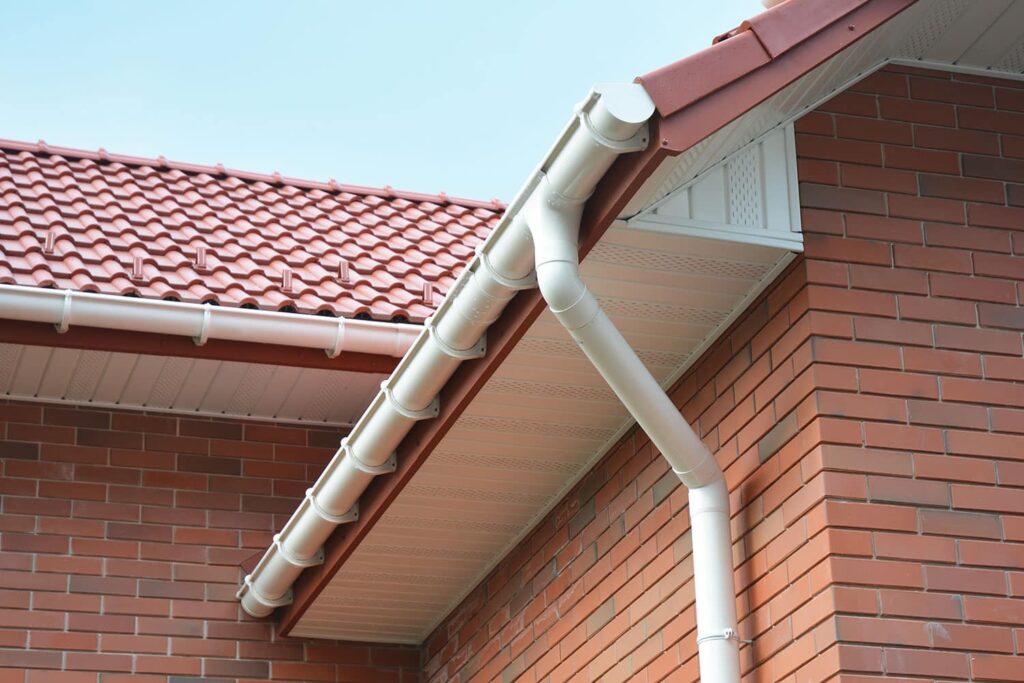
Gutters and fascia
Gutters full of granules are a sign the shingles are deteriorating. We also look at the fascia boards and soffit for rot or water intrusion that suggests moisture has been getting in at the roofline.
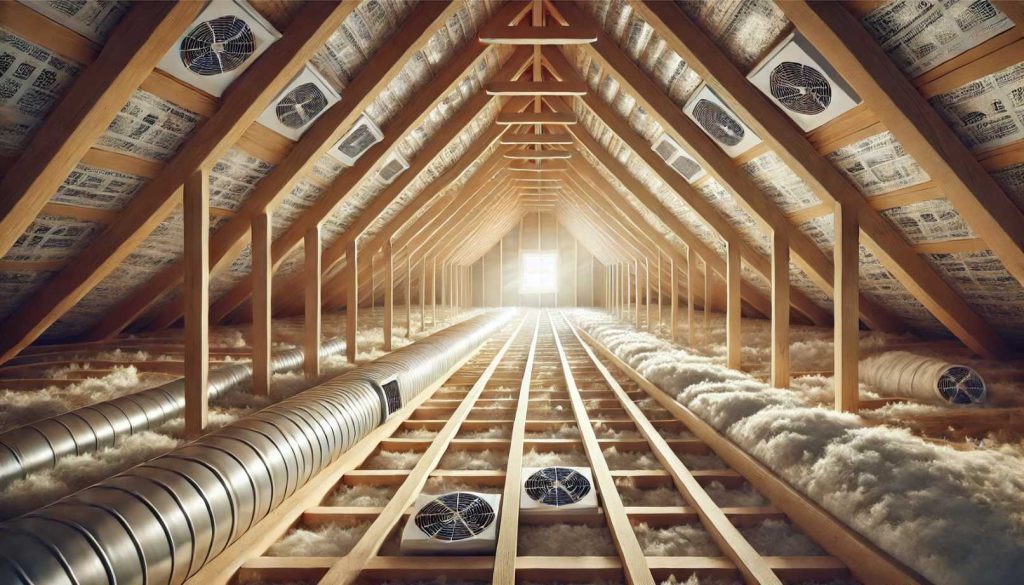
Attic ventilation and interior signs
When access is available, we check the attic for signs of moisture, staining, daylight coming through, or inadequate ventilation. Poor attic airflow traps heat and accelerates shingle deterioration from the inside out - a problem especially relevant in Austin summers.
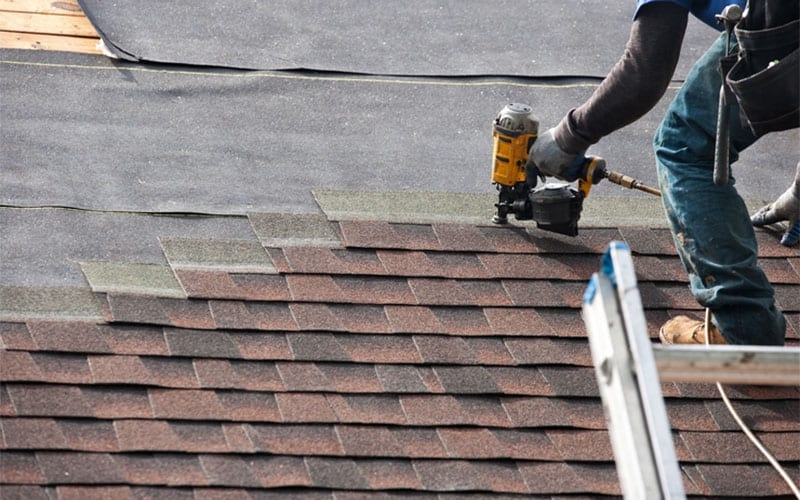
Shingles and surface materials
We check for cracking, curling, granule loss, blistering, and impact marks from hail. In Austin, UV exposure and summer heat cycles cause shingles to age faster than national averages suggest. We note how much useful life the surface material has left.
Why Austin Roofs Need Regular Inspections
Austin’s climate is harder on roofs than most homeowners realize. A few specific factors:
- Hail
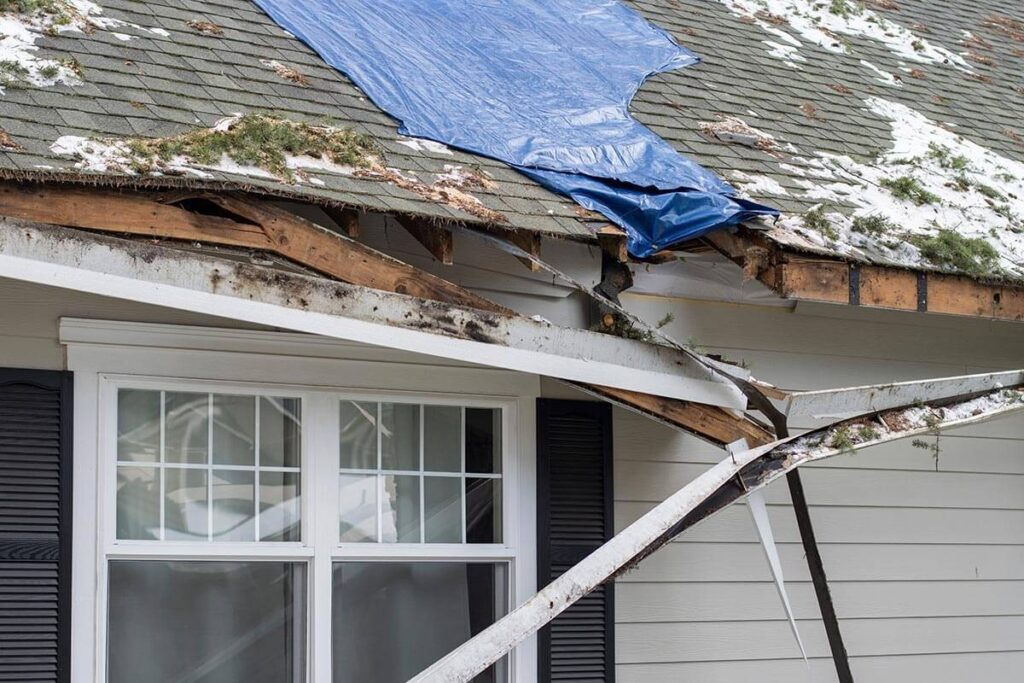
Central Texas sits in a high-frequency hail zone. Hail damage is often invisible from the ground but shortens a roof’s life and creates conditions for leaks years later. Many homeowners miss filing a valid insurance claim simply because they never had an inspection after a hail event.
- Heat and UV
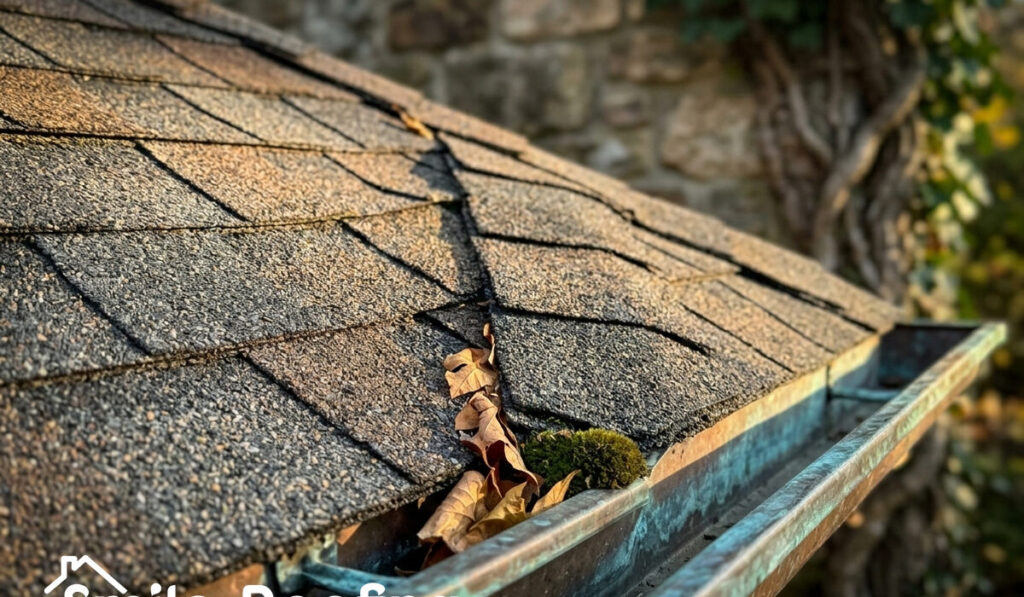
Sustained summer temperatures above 100 degrees, combined with intense UV radiation, break down shingle granules and dry out seals faster than in moderate climates. A roof that should last 25 years elsewhere may show significant wear at 15 years here if it has not been monitored.
- Freeze-thaw cycles
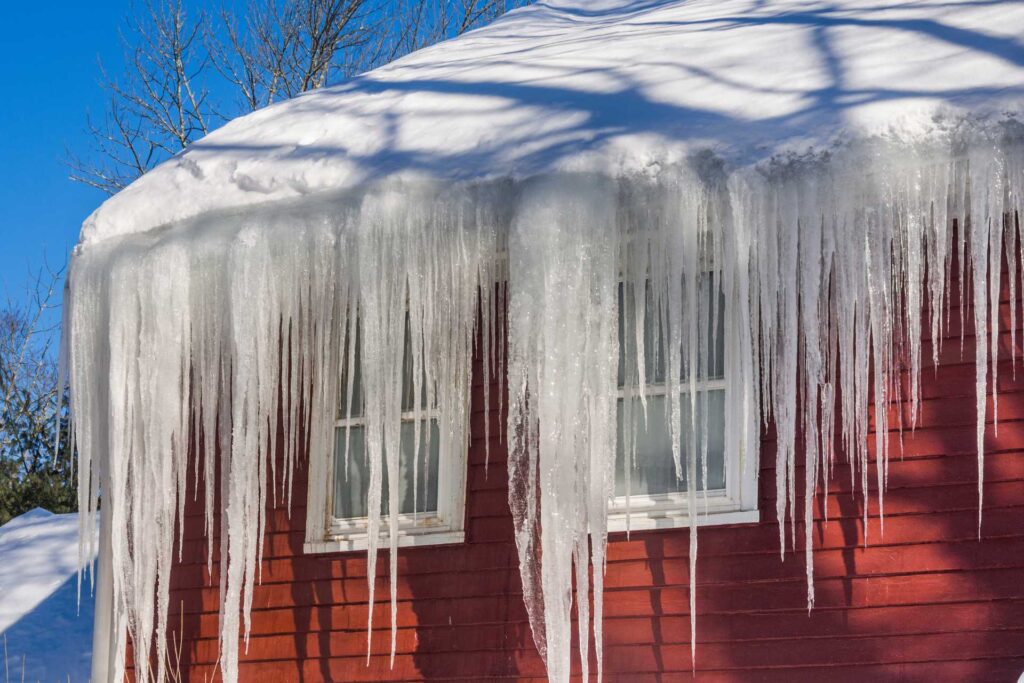
Austin does not get long winters, but the sudden freezes it does get can cause existing small cracks to expand and flashing to shift. Damage often appears in January or February and goes unnoticed until the spring rains hit.
- Storm season
Spring and fall storms can bring straight-line winds strong enough to lift shingles, along with the hail risk. An inspection after a significant storm is one of the most practical things a homeowner can do.

Why Roof Leaks in Austin Are Easy to Misdiagnose
Austin’s climate creates leak conditions that catch a lot of homeowners and even some contractors off guard.
During summer, your roof deck and shingles expand significantly in the heat and contract overnight. Over time, that repeated movement works at flashing seals, ridge caps, and any penetration point around a vent pipe or chimney. The leak might only show up after a heavy rain following a stretch of extreme heat because that’s when the gaps are at their widest and the volume of water is high enough to get through.
Hail damage is another one. A hailstorm can bruise shingles and crack the granule surface without leaving a visible hole. The leak doesn’t start immediately. It shows up six months or a year later when that compromised shingle finally gives way. By then, homeowners often don’t connect it back to the hail event.
Flat or low-slope sections on residential roofs are common in Austin’s architectural styles and they pool water differently than a steep pitch. A drain that’s partially blocked or a seam that’s lifted slightly will hold water long enough to find any weakness.
We’ve seen all of these patterns. Knowing what Austin roofs actually fail at helps us look in the right places first.
How We Find the Real Source of a Leak
The inspection process matters more than the repair itself. If you fix the wrong spot, you’re calling a roofer again in two months.
When we come out for a leak inspection, we start from the point of water entry inside the home and work our way up and outward. We check:
- Flashing at every transition point: where the roof meets a wall, a chimney, a skylight, or a dormer
- Pipe boots and vent collars, which are among the most common single-point failure spots on Austin roofs
- Ridge caps and hip caps where wind gets underneath and lifts the material over time
- Valley lines where two roof planes meet and water volume concentrates
- Gutters and fascia, because a backed-up or improperly pitched gutter can force water under the drip edge
We document what we find with photos and walk you through it before any work begins. You know exactly what’s being repaired and why.
What a Proper Leak Repair Actually Involves
There’s a difference between sealing a visible gap and repairing the system that failed. We do the latter.
Depending on what we find, a repair might involve replacing a section of damaged shingles, resealing or replacing flashing, installing a new pipe boot, or addressing a section of decking that has taken on moisture and started to soften. We use materials that match your existing roof where possible, and we don’t consider the job done until the repaired area is watertight under normal conditions.
For leaks tied to hail or wind damage, we’ll also let you know if the damage is significant enough to warrant an insurance claim. As a GAF Master Elite contractor, we work with homeowners on insurance-related repairs regularly. If that applies to your situation, our insurance claims page covers how that process works.
Common Roof Leak Causes We See Across Austin Homes
Based on the repairs we do across Austin and the surrounding areas, these are the most frequent sources:
Pipe boot failure
The rubber collar around plumbing vents degrades faster in Austin's UV exposure than in cooler climates. Most homes need these replaced every 10 to 15 years.
Flashing separation
Older homes often have poorly sealed or corrosion-prone flashing, and heat cycling speeds up seam separation over time.
Missing or displaced shingles
High-wind events knock shingles loose, and the exposed deck underneath can absorb water quickly.
Skylight perimeter leaks
Common in Austin's custom homes. The leak usually isn't the skylight itself but the flashing around it.
Improper previous repairs
Someone patched a visible spot with roofing caulk or sealant without addressing the underlying cause, and it held for a season before failing again.
Serving Austin and Central Texas - 20 Communities
Altitude Roofing is headquartered in the Belterra Village area of Southwest Austin (78737). We serve homeowners across 20 communities in the greater Austin metro and Central Texas, and can typically schedule an inspection within one to two business days.
Frequently Asked Questions
How much does roof leak repair cost in Austin?
It depends on the source and extent of the damage. A single pipe boot replacement or small flashing repair is a relatively minor job. If the leak has caused decking damage or involves a larger section of the roof, the cost goes up. We give you an honest assessment and written quote before any work starts.
Can you repair a roof leak the same day?
In many cases, yes. If the source is something like a failed pipe boot, displaced shingles, or a flashing issue, we can often complete the repair on the same visit as the inspection. We’ll tell you upfront if the scope requires a return visit.
Will my homeowner's insurance cover a roof leak repair?
It depends on the cause. Leaks resulting from a sudden event like hail or wind damage are typically covered. Leaks from general wear or deferred maintenance usually are not. We can help you understand what we found and whether it’s worth filing a claim.
How do I know if my roof leak is causing structural damage?
Signs include soft spots on the deck when you’re in the attic, discoloration or sagging on ceiling drywall, or a musty smell in your attic. If you’re seeing any of those, the sooner we get out there, the better.
Do you offer any warranty on leak repairs?
Yes. We stand behind our work. Warranty terms vary based on the type and scope of repair, and we’ll cover what’s included when we go over the quote with you.
Ready to Stop the Leak?
The longer a leak goes unaddressed, the more it costs. Water that gets into decking, insulation, or interior framing compounds the repair scope quickly.
Call us at (512) 809-3229 or request a free inspection online. We’ll find the source, show you what we found, and give you a straightforward repair plan.