 Skip to content
Central Texas Roofing Expert
Roofing Contractor Serving Canyon Lake, TX
Canyon Lake is one of the larger communities in the Texas Hill Country south of Austin, with around 31,000 residents spread across roughly 157 square miles in Comal County. We have worked the Hill Country corridor for over 20 years and Canyon Lake homeowners are within our service area. Our office is in the 78737 zip code in Austin.
Altitude Roofing handles roof inspections, repairs, leak fixes, full replacements, maintenance, and storm and hail damage work for Canyon Lake properties. We are a GAF Master Elite certified, family-owned company. Every job is handled by our own in-house crew. Lakefront properties, mature canopy interior subdivisions, and newer gated developments all get the same in-person assessment and the same documentation standard.
Get Your Free Roof Evaluation
Please fill out the form below to schedule your roof inspection. Our team will contact you within 24 hours to confirm the details.
- Starts with a 15-minute call with a roofing specialist.
What Roofing Work in Canyon Lake Actually Looks Like
Canyon Lake is not one neighborhood. It is a Census Designated Place that wraps around the Canyon Lake reservoir and pulls in multiple smaller unincorporated communities including Sattler, Startzville, Canyon City, Cranes Mill, and Hancock. The housing stock spans from the early development era after the reservoir was completed in 1964 through to current new construction. Three property categories cover most of the roofing work here, and each one has a different roof story.
Lakefront and near-lake properties are the first category. These sit on or near the shoreline in subdivisions like Canyon Lake Shores, Canyon Springs Resort, and the waterfront edges of Canyon Lake Forest. The roof challenge on these homes is exposure. Lake humidity, mineral deposit from wind-driven spray on the closest properties, and unfiltered sun bouncing off open water surfaces all accelerate roof aging on the lake-facing slopes. Decks, screened porches, and multi-level rooflines on lakefront homes also create more flashing transitions than a standard suburban roof, and each transition is a potential failure point.
The second category is mature interior subdivisions. Canyon Lake Forest is the clearest example, with tree-lined streets and 40 to 50 years of canopy growth. Canyon Lake Hills and Canyon Lake Village run similar profiles. Roof problems here look more like older Hays County mature streets than lakefront properties. The dominant factors are tree debris in valleys and gutters, asymmetric shade across roof planes, and a high rate of roofs that are now in the 15 to 25 year age range and approaching replacement timing.
The third category is newer gated and master-planned developments. Mystic Shores, Cascada at Canyon Lake, Newcombe Estates, and Ensenada Shores are typical of this group. Most homes here are 2005 to 2020 builds with architectural asphalt shingle on standard pitches. These properties are now in the window where the first significant hail event becomes consequential, and post-storm documentation matters most.
Common Roof Issues We See in Canyon Lake
Canyon Lake’s geographic spread and property mix create a set of issues that show up differently across the three main categories above.
Lakefront humidity and reflected UV exposure
On Canyon Lake Shores and the closest waterfront properties, the lake-facing slopes of the roof are taking sun reflection off open water in addition to direct overhead UV. Combined with elevated humidity from the lake surface, these slopes age faster than the road-facing slopes of the same roof. We commonly find one slope of a lakefront roof at the replacement threshold while the opposite slope still has years of life left.
Wind events on exposed lake-edge properties
Lakefront and near-lake properties face wind exposure that interior subdivisions do not. The open water creates an unbroken wind path before the wind reaches the structure. We see displaced ridge caps and lifted shingles on lake-facing slopes after wind events that interior properties two miles away never noticed.
Tree debris and valley moisture on Canyon Lake Forest streets
Mature canopy on the older interior subdivisions drops a steady stream of debris into roof valleys and gutters. Valleys collect leaves and cedar needles and hold moisture against the shingle surface for extended periods. We find moss and algae growth on valleys and shaded north-facing slopes on Canyon Lake Forest properties more consistently than on any other roof type in our service area.
Age-related replacement timing on 1970s and 1980s homes
A large share of Canyon Lake interior properties were built in the first development wave after the reservoir was completed. Many of these roofs have been replaced once but are now coming up on the next cycle. Catching the replacement window before active leaks start saves both money and interior damage. This is the largest single category of replacement conversations we have in Canyon Lake.
Hail damage on the newer gated communities
Mystic Shores, Cascada, Newcombe Estates, and similar 2005 to 2020 builds sit in the same Hill Country hail corridor as Dripping Springs and Wimberley. These roofs are now in the age range where a significant hail event matters for the first time. Many of these homes have never had a professional inspection after a storm. Damage from prior seasons may still be on the roof and within the insurance filing window.
Flashing failures on complex Hill Country rooflines
Custom homes throughout Canyon Lake, particularly the larger lakefront and estate properties, have more roof penetrations than standard subdivision builds. Multiple chimneys, skylights, large covered porches, and outdoor living spaces all multiply flashing transitions. Thermal cycling over 20-plus Texas summers works flashing loose at every transition point. This is the leading cause of active leaks on Canyon Lake custom and estate properties.
Seasonal Roof Maintenance Tips for Canyon Lake Homeowners
Canyon Lake’s geography puts a few seasonal priorities ahead of where they would sit on a standard Hill Country property.
Central Texas storm season runs through Canyon Lake between March and June. Schedule an inspection before storms hit, particularly on lakefront properties where wind exposure is higher than interior subdivisions. Clear gutters fully. On Canyon Lake Forest and similar mature canopy streets, spring is when accumulated winter debris becomes a real problem if it has not been addressed. If a hail event hits this corridor, get an inspection within a few weeks. Newer gated community homes are particularly worth checking after spring hail.
Canyon Lake summers are hot and humid, with the humidity amplified on lakefront properties. Attic ventilation matters more here than on dry Hill Country properties. Check that ridge vents and soffit vents are clear and functioning. If your attic feels unworkable in July, the underside of the decking is taking heat damage. Avoid scheduling non-urgent roof work during the worst of summer if possible. Material adhesion and crew safety both suffer when temperatures peak.
Fall is the best window for non-urgent replacement and major repair work across the Canyon Lake area. Storm risk drops, temperatures moderate, and crews can run efficient schedules. On interior subdivisions with mature canopy, fall is also when overhanging limbs should be trimmed back before winter wind events arrive. On lakefront properties, fall is the time to check decking and flashing on the lake-facing slopes that took the worst of summer sun.
Canyon Lake winters are mild but cold fronts moving through the Hill Country bring sharp wind events, particularly on exposed lake-edge properties. After any significant front, do a ground-level visual check of your roof. Look for lifted shingles, displaced ridge caps, or new debris in the yard. If you see anything unusual, call for an inspection before the next rain event. Catching a wind-loosened section early costs a fraction of what dealing with interior water damage costs once it gets in.
Residential Roofing Services We Provide in Canyon Lake
We offer a comprehensive suite of residential roofing solutions designed to protect Canyon Lake homes from the unique elements of the Texas Hill Country.
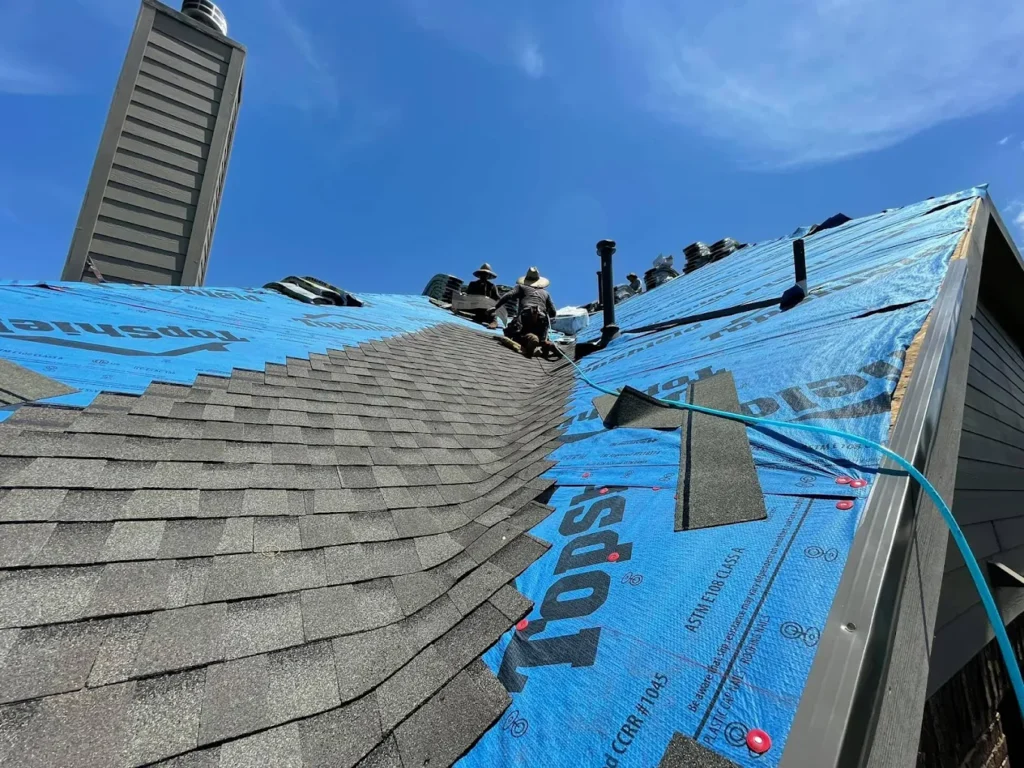
Roof Replacement
Full replacement when the roof has passed the repair-vs-replace threshold. Many Canyon Lake interior subdivision homes are now in the replacement window. We handle material selection, written estimates, in-house installation, and final walkthrough. GAF Master Elite Golden Pledge warranty available on qualifying installations.
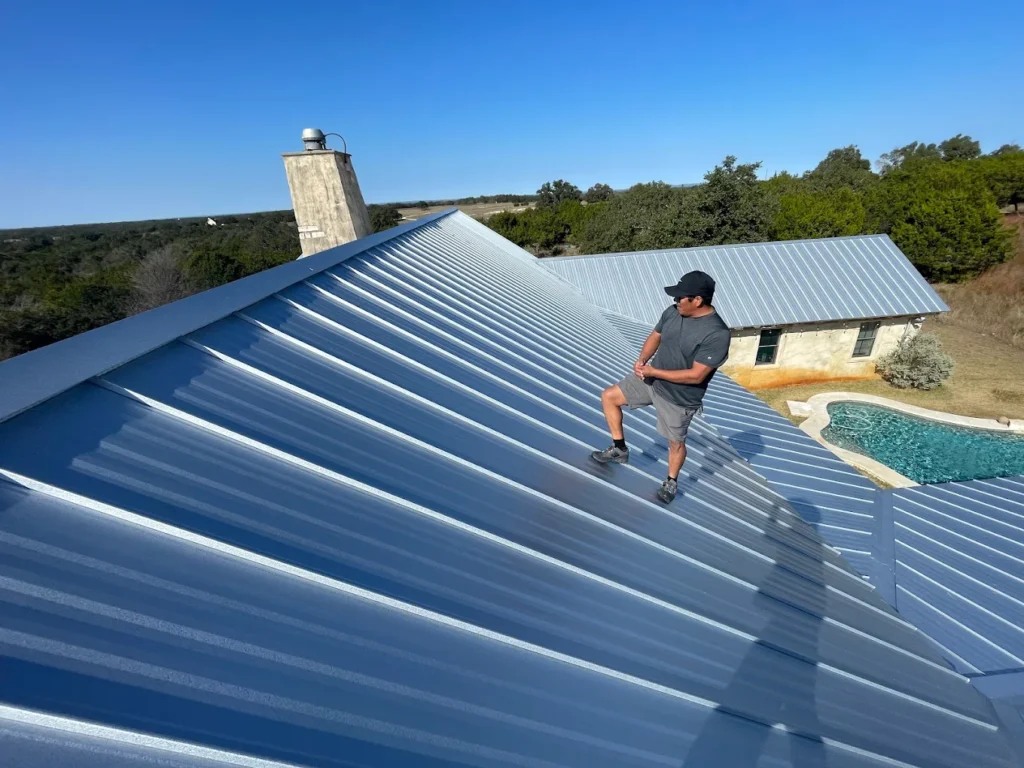
Roof Inspections
Free professional inspections for Canyon Lake homeowners. We document everything with photos and provide a written report. Particularly valuable on lakefront properties where one slope may need attention while the rest of the roof has years of life left, and on newer gated community homes that have not been inspected after recent storm seasons.
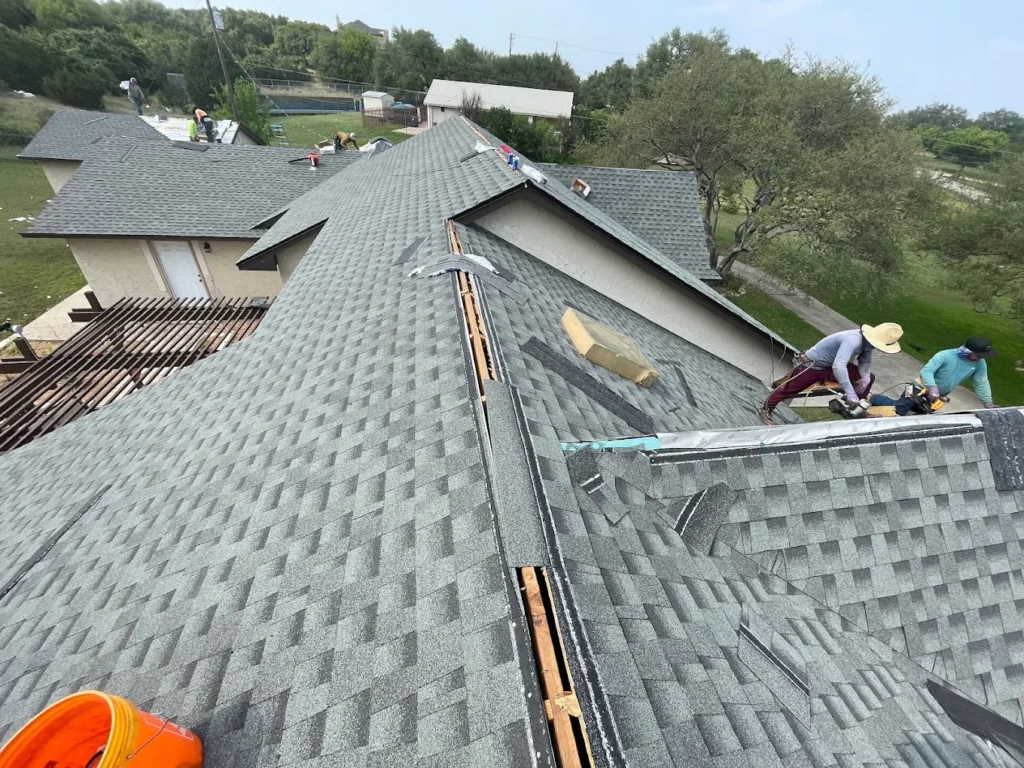
Roof Repair
Repair work on flashing, shingles, ridge caps, and penetrations. Canyon Lake repair work spans wind-displaced shingles on lakefront properties, valley and debris-related repairs on Canyon Lake Forest homes, and standard storm repairs on newer gated community properties.
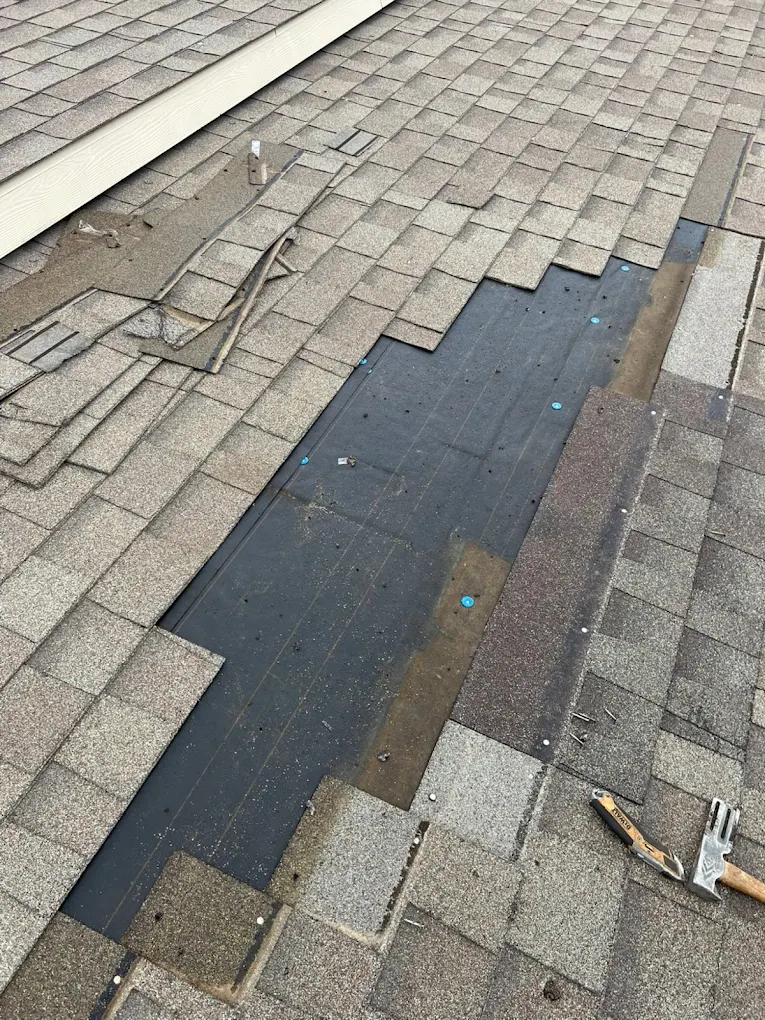
Storm Damage Roof Repair
Post-storm assessment with adjuster-ready documentation. We work with all major insurance carriers across both Hays and Comal County jurisdictions and have a strong track record on contested claims.
Hail Damage Roof Repair
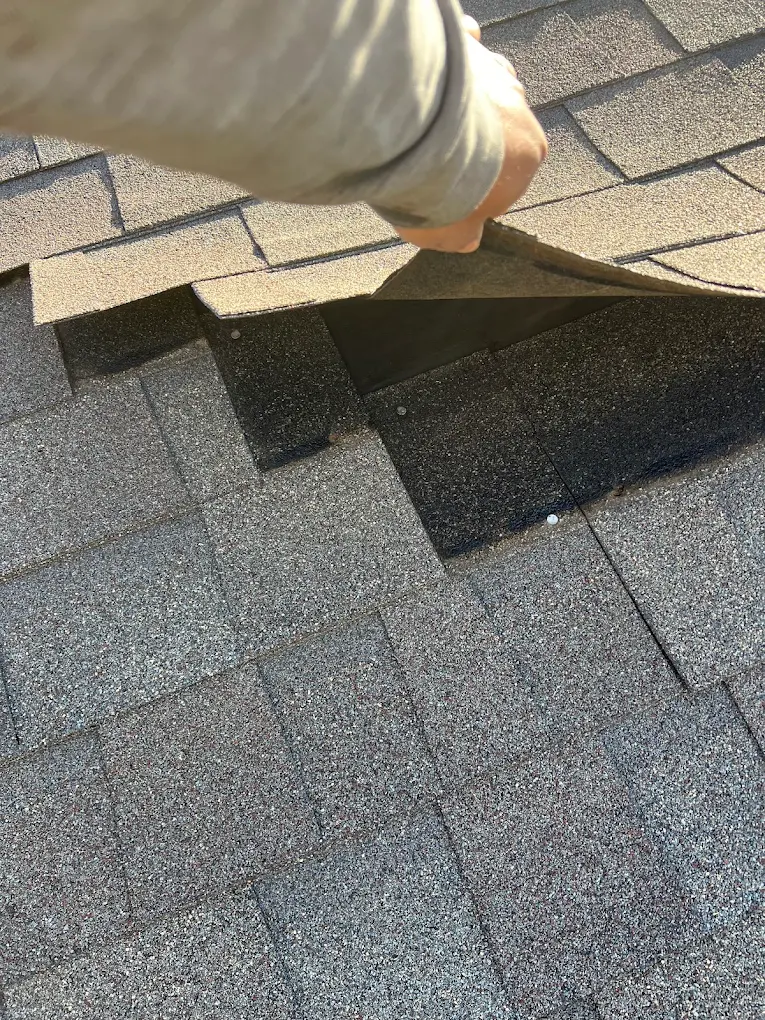
Hail damage assessment and insurance claim support. Edwin holds an all-lines insurance adjuster license and follows HAAG inspection methods. Particularly important on newer Mystic Shores, Cascada, and Newcombe Estates homes entering their first major-claim age window.
What Canyon Lake Homeowners Should Expect From a Roofing Contractor
Out-of-state storm chasers move through Comal County after major hail events along the 281 and I-35 corridors. Canyon Lake gets the same treatment. Here is what a legitimate, locally based contractor looks like in practice.
GAF Master Elite Certified
Fewer than 2% of U.S. roofing contractors earn this. It qualifies your replacement for GAF's Golden Pledge warranty, 25 years of material and labor coverage backed by the manufacturer. Most contractors knocking on doors in Canyon Lake after a storm cannot offer it.
In-house crews only
We never subcontract to third-party labor. Our own trained crews handle every Canyon Lake job from tear-off to final walkthrough. Consistent workmanship and direct accountability on every job, including the larger lakefront and estate properties.
Local and accountable
We have been working the Hill Country for over 20 years. We are not a crew that moves in after a storm and moves on. If something needs follow-up six months later, we are still here.
Insurance claim expertise
Edwin Nichols holds an all-lines insurance adjuster license earned in 2006. We document damage thoroughly, meet adjusters on site, and have a strong record of overturning denied claims. This matters in Canyon Lake where prior-season damage on older properties is sometimes the primary claim opportunity.
Written estimates before work
Every Canyon Lake estimate is itemized and in writing before a single crew member is scheduled. You know exactly what materials are being used and what the final number is, including for HOA-required materials on gated community properties.
Frequently Asked Questions for Canyon Lake Roofing
Does Altitude Roofing serve the Canyon Lake area?
Yes. Our office is in the 78737 zip code in Austin and Canyon Lake is within our wider Hill Country service area. We work across both Hays and Comal counties, including Canyon Lake, Spring Branch, Wimberley, and the surrounding communities. We have been doing this work for over 20 years.
How much does a roof replacement cost in Canyon Lake TX?
Most standard residential replacements in Canyon Lake range from $10,000 to $22,000 depending on roof size, pitch, material choice, and decking condition. Lakefront and large custom properties with complex rooflines, multiple penetrations, or steep pitch can run higher. Newer Mystic Shores and Cascada homes typically fall in the middle of that range. We provide a detailed written estimate after a free inspection.
My Canyon Lake home is on the water. Does lakefront location change anything about the roof job?
It can. Lake-facing slopes age faster from reflected UV and lake humidity, so we look closely at whether a partial replacement makes sense or whether the road-facing slopes need to be addressed at the same time. Lakefront properties also typically have more flashing transitions and complex rooflines, so the estimate process is more detailed than on a standard subdivision home. We work through all of this with you before any work is scheduled.
My Canyon Lake home is in a gated community. Does that affect my roofing options?
It can. Communities like Mystic Shores, Newcombe Estates, and Cascada may have material and color guidelines on roof replacements. We factor those into our estimates from the start and can provide whatever documentation is required for community approval before work is scheduled.
How long does a roof job take in Canyon Lake?
Inspections take one to two hours. Most repairs are completed same-day or in a single follow-up trip. Full replacements on standard Canyon Lake properties typically take one to two days, though larger lakefront and estate properties with complex rooflines may take longer. Because Canyon Lake is roughly an hour from our office, we coordinate scheduling efficiently to avoid back-and-forth trips. We give you a clear timeline before work starts.
Serving Austin and Central Texas - 20 Communities
Altitude Roofing is headquartered in the Belterra Village area of Southwest Austin (78737). We serve homeowners across 20 communities in the greater Austin metro and Central Texas, and can typically schedule an inspection within one to two business days.
Get a Free Roof Inspection in Canyon Lake
If your Canyon Lake home needs a roof inspection, repair, or replacement, we cover this part of the Hill Country and we will come out for a proper assessment. Lakefront, mature canopy interior, or newer gated community, we will take a real look at the roof, tell you what we find, and give you an honest answer on what it actually needs.
Call (512) 809-3229 or schedule online. We coordinate Canyon Lake inspections to fit our Hill Country corridor route, typically within several business days.