 Skip to content
Lakeway, TX Roofing Expert
Storm Damage Roof Repair in Lakeway, TX
Severe weather can leave a roof with missing shingles, lifted roofing materials, damaged flashing, broken tiles, leaks, or other problems that may not be obvious from the ground. Altitude Roofing provides professional storm damage roof repair in Lakeway, TX, helping homeowners identify storm-related damage and determine the right way to address it.
Our team can inspect your roof after a severe storm, document visible damage, and explain whether localized repairs or a larger roofing project may be appropriate. We work with asphalt shingle, metal, and tile roofing systems and understand the weather conditions that affect properties throughout Lakeway and the surrounding Lake Travis area.
If your roof has been affected by high winds, heavy rain, fallen branches, or other severe weather, don’t wait for a leak to reveal the problem. A professional inspection can help identify damage before it develops into a more serious roofing issue.
Get Your Free Roof Evaluation
Please fill out the form below to schedule your roof Evaluation. Our team will contact you within 24 hours to confirm the details.
- Starts with a 15-minute call with a roofing specialist.
Emergency Storm Damage Roof Repair in Lakeway
Some storm damage requires immediate attention, particularly when the roof is actively leaking or a section of the roofing system has been opened by wind or falling debris.
If water is entering the property, roofing materials are missing, or part of the roof has been damaged by a fallen branch, take reasonable steps to protect the interior and avoid walking on the roof yourself. Roofing surfaces can be slippery and unstable after severe weather.
Altitude Roofing can inspect the affected area and determine what immediate measures and permanent repairs may be appropriate. Acting quickly can help limit additional water intrusion while the full repair is being planned.
EXCELLENTTrustindex verifies that the original source of the review is Google. A pesar de la lluvia se logró la instalación en un solo día!!!Posted on GoogleTrustindex verifies that the original source of the review is Google. Edwin answered the phone after hours and came out the next morning to do an emergency repair when we spotted damage from a leak.Posted on GoogleTrustindex verifies that the original source of the review is Google. Great company, Edwin explains everything really wellPosted on GoogleTrustindex verifies that the original source of the review is Google. Edwin responded quickly after we reached out and was extremely knowledgeable as to what our issue was. The fix was completed at the same time as the inspection. Thank you for such great customer service!Posted on GoogleTrustindex verifies that the original source of the review is Google. I just moved to Belterra. The dryer exhaust vent on the roof came up on the inspection. I notified Edwin with Altitude and he promptly came out and fixed it at no charge. We appreciate the service even though we were not the owners that paid for new roof. Thanks!Posted on GoogleTrustindex verifies that the original source of the review is Google. If you’re a homeowner in the Dripping Springs area dealing with roof issues — storm damage, a nagging leak, or a full replacement — do yourself a favor and call Altitude Roofing. I don’t write reviews often, but my experience here was genuinely exceptional and I felt like I had to share it. Trust is everything when someone’s working on your home, and Altitude Roofing earned mine immediately. From the first conversation to the final walkthrough, everything was upfront and consistent. No hidden fees, no surprise add-ons, no runaround — just honest, straightforward communication the whole way through. A lot of that comes down to Edwin Nichols, the owner, who handled my project personally. Edwin knows roofing inside and out, and what really set him apart was how he managed the insurance side of things. If you’ve ever tried to navigate a homeowner’s insurance claim for roof damage, you know it can feel completely overwhelming. Edwin took that stress off my plate entirely. He knew exactly how to document the damage, what the insurance company needed to see, and how to communicate with the adjuster to make sure nothing was missed or shortchanged. He was professional, thorough, and clearly had done this many times before. I walked away with a settlement that actually covered the work — and I’m confident I wouldn’t have gotten there on my own. Beyond the insurance process, Edwin is just a pleasure to work with. He answered every question I had in plain English, never made me feel pressured, and gave me his honest recommendation rather than just telling me what I wanted to hear. The fact that he’s the owner and still shows up personally, stays involved, and follows through after the job is done says a lot about the kind of company Altitude Roofing is. The crew was equally impressive — on time, efficient, and they cleaned up completely when they were done. The finished roof looks great and feels solid. I’ve already sent neighbors Edwin’s way, and I’d recommend Altitude Roofing to anyone without hesitation.Posted on GoogleTrustindex verifies that the original source of the review is Google. Super helpful and thorough with our inspection. Made a path forward easy to understand.Posted on GoogleTrustindex verifies that the original source of the review is Google. I called Altitude after noticing a leak in my roof when it was raining. The owner Edwin took my call and agreed to come check it out as soon as the weather passed as we have a metal roof. Edwin was honest about what repairs were necessary to the roof and chimney and even told me I could do it myself if I wanted to get the supplies from Home Depot but I wanted it done right so I went through with his services. He did a great job and patched everything up for me. Would recommend to anyone in need of roofing repairs or installation.Posted on GoogleTrustindex verifies that the original source of the review is Google. Had them come out to assess a ventilation issue in my attic and couldn't be more impressed. Incredibly knowledgeable, responded fast, and didn't waste my time. They identified the problem quickly and walked me through several options to fix it. No upselling, no runaround, just straight answers and solid solutions. Would highly recommend to anyone needing roofing or ventilation work done right.
Storm Damage Repair for Different Roofing Systems
Storms can affect different roofing materials in different ways. Altitude Roofing evaluates the specific roofing system on your property before recommending repairs.
Shingle Roof Storm Damage
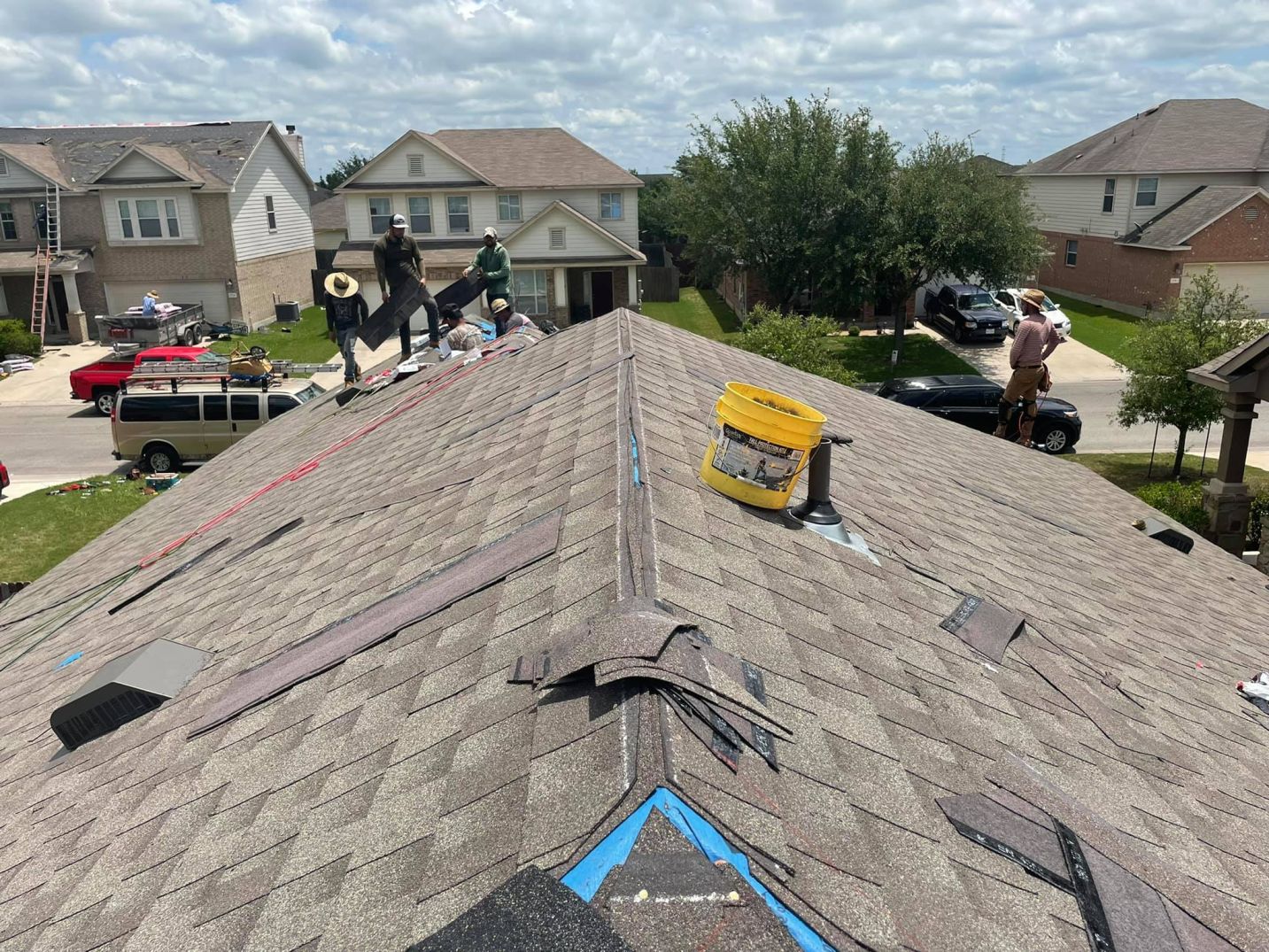
Asphalt shingles can be affected by wind uplift, missing shingles, cracks, displaced materials, and impact from debris. Storm damage may also affect flashing and other components around the roof.
If the damage is limited, localized shingle roof repair in Lakeway may be enough to restore the affected area. If a large portion of the roof has been compromised or the existing shingles are already significantly deteriorated, replacement may be a more appropriate option.

Metal Roof Storm Damage
Metal roofing can experience damage to panels, seams, fasteners, flashing, and other components during severe weather. Flying debris can also cause physical damage to exposed metal surfaces.
Our team can inspect the metal roofing system to determine whether the damage affects the roof’s performance or is limited to individual components. Where appropriate, localized metal roof repair in Lakeway may address the problem without replacing the entire roof.
Tile Roof Storm Damage
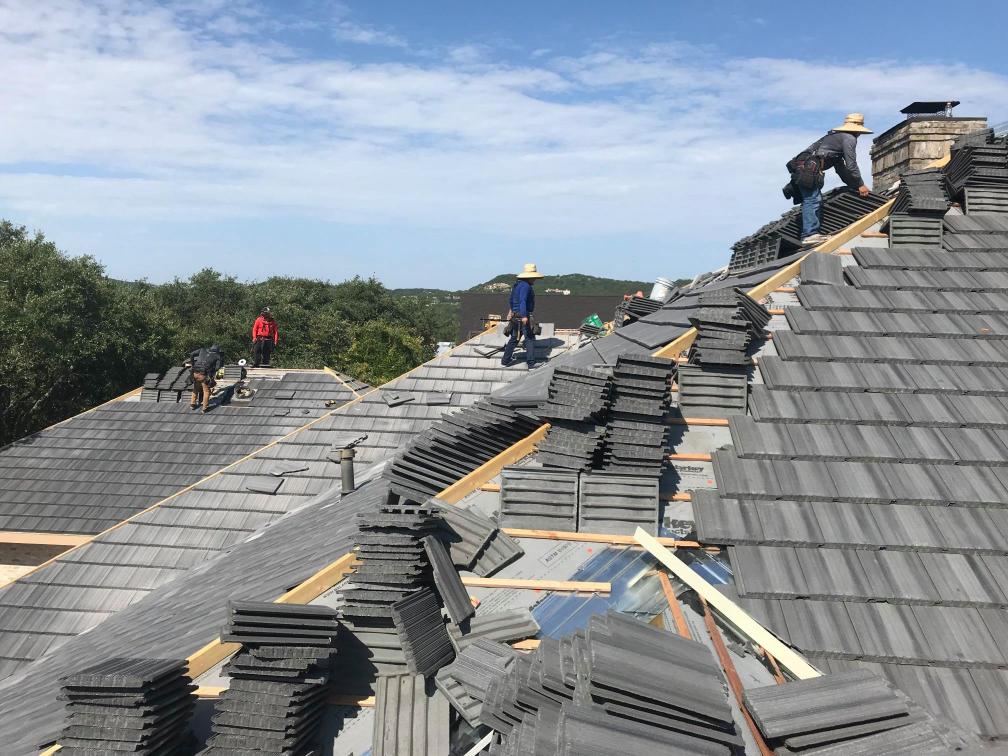
Strong storms can crack, break, or displace individual roof tiles. Once tiles are damaged or moved, water may have a path into the components beneath the tile.
Altitude Roofing provides tile roof repair in Lakeway for localized storm damage. Because tile can be damaged if handled incorrectly, repairs should be performed carefully to avoid creating additional problems.

Multifamily Storm Damage
Storm damage can be more complex when it affects apartments, condominiums, townhomes, HOA communities, or other multifamily properties. Multiple buildings may need to be evaluated, and property managers may need to coordinate repairs across different areas.
Altitude Roofing can assess storm-related roofing problems on multifamily roofing properties and help identify which areas require immediate attention. A structured inspection can make it easier for property owners and managers to understand the scope of the damage and plan the necessary repairs.
How Much Does Storm Damage Roof Repair Cost in Lakeway?
The cost of storm damage roof repair depends on the type and extent of the damage, the roofing material, roof size, accessibility, and the amount of work required.
Repairing a few wind-damaged shingles is very different from repairing widespread damage across multiple roof sections. Metal and tile roofing also require different materials and repair methods than asphalt shingles.
For that reason, there is no single price that applies to every storm damage project. A professional inspection can determine the scope of the damage and provide a more accurate repair recommendation.
Want to get an initial estimate for your roofing project? Use our roofing cost calculator to explore potential project costs based on your roof size and selected roofing material.
How We Handle Storm Damage From First Call to Final Repair in Lakeway
Step 1
Free Inspection and Documentation
We inspect every surface shingles, ridge caps, flashing, vents, gutters, fascia, and soffits with high-resolution photos and a written assessment. On elevated-lot Rough Hollow and Serene Hills properties, we pay particular attention to windward-facing planes and ridge lines where uplift damage concentrates. On older lakeside properties, we inspect every flashing transition point to assess whether the storm pushed a degraded seal into active failure. We document before any debris is cleared or temporary repairs are made where possible.
Step 2
Emergency Temporary Protection
If the roof has active exposure displaced shingles, open ridge cap, any section where decking is exposed we provide same-day tarping or temporary repair to stop further water intrusion. Emergency protection on Lakeway properties in the lake humidity corridor is more time-sensitive than in drier areas. Emergency protection costs are typically covered under your policy. Emergency tarping is generally exempt from HOA review requirements in Rough Hollow, Serene Hills, and The Hills of Lakeway.
Step 3
Damage Assessment and Claim Guidance
We tell you clearly what we found, what type of storm event it relates to, and whether the damage qualifies as a covered claim. For older Lakeway lakeside properties where the storm-triggered flashing failure argument is relevant, we build the documentation to establish that connection specifically distinguishing the storm event as the proximate cause from the background gradual degradation. Edwin's adjuster license means this documentation is produced at the standard adjusters require. We walk you through the claim filing process before you contact your carrier.
Step 4
We Meet Your Adjuster On-Site
We attend the adjuster visit and walk them through every documented damage point. On older lakeside properties where the adjuster may probe the storm-trigger vs. pre-existing-wear line, Edwin addresses their assessment in real time. On elevated-lot properties where the wind uplift pattern is the primary finding, we ensure the documentation covers all displaced sections and secondary damage components. Most contractors hand you a report and leave you to handle the adjuster alone.
Step 5
Settlement Review and Supplement Advocacy
Once your settlement arrives, we review it against the full documented damage scope. On Lakeway properties, adjusters sometimes undercount secondary damage to gutters, fascia, vents, and algae-affected valley sections adjacent to storm-damaged areas. If anything is underpaid, we prepare supplement documentation and advocate for the correct settlement before any installation is scheduled.
Step 6
Full Repair or Replacement
Our own in-house crew handles every repair or replacement. No subcontracting. For HOA-governed properties in Rough Hollow, Serene Hills, and The Hills of Lakeway, we confirm current approved colors and material specifications before ordering no post-repair HOA compliance issues. On elevated-lot properties, our crew is experienced with the access and safety setup these roofs require. We do a final walkthrough with you before we leave.
Why Lakeway Homeowners Choose Altitude Roofing for Storm Damage
GAF Master Elite Certified
Top 2% of U.S. roofing contractors. Strengthens documentation credibility with insurers and qualifies replacements for GAF's strongest manufacturer warranties.

We Know Lakeway Properties
Elevated lots, lake humidity, older lakeside homes, HOA communities with specific material requirements. We have been working in the Lake Travis corridor for over 20 years and know what storm events do to each property type here.
Licensed Insurance Adjuster
Edwin holds an all-lines insurance adjuster license (2006) and follows HAAG engineering inspection protocols. On older Lakeway lakeside properties where the storm-trigger vs. pre-existing-wear distinction determines whether your claim is approved, this credential is what gets claims through.

HOA Compliance on Post-Storm Work
We confirm HOA-approved colors and material specifications before ordering any replacement materials on Rough Hollow, Serene Hills, and Hills of Lakeway properties. Your insurance-funded repair will not create an HOA compliance problem.
We Meet Your Adjuster
We attend every adjuster visit and walk them through all documented damage. On older lakeside properties where the storm-trigger argument matters, Edwin addresses adjuster questions in real time. Most contractors hand you a report and leave.
No Storm Chasers
After major events, out-of-state crews target Lakeway's higher-value properties. They take the job without confirming HOA requirements and are gone before compliance issues surface. We are based here and stand behind every job long after the work is done.
Types of Storm Damage We Repair in Lakeway
Wind and Shingle Damage
Strong winds can lift, loosen, crack, or completely remove asphalt shingles. When shingles are displaced or missing, the underlying roofing system can become exposed to rain and other weather conditions.
Wind can also affect the edges of the roof, ridge areas, and other locations where roofing materials are more vulnerable to uplift. If the damage is localized, replacing affected shingles or repairing the damaged area may be enough to restore the roof.
A professional inspection can determine whether the damage is limited to visible shingles or whether wind has affected other roofing components.
Ridge Cap and Flashing Damage
Ridge caps and flashing protect some of the most vulnerable areas of a roof. Strong winds can loosen ridge caps, while storms and age can contribute to flashing damage around walls, chimneys, vents, and other roof penetrations.
When flashing becomes compromised, water may enter the roofing system even if the main roof surface appears to be in good condition. Repairing the affected flashing or ridge components can help restore protection and reduce the risk of continued water intrusion.
Roof Leaks and Water Intrusion
Storm damage can create openings that allow rainwater beneath the roofing materials. A leak may appear as a ceiling stain or dripping water inside the home, but the actual entry point can be somewhere else on the roof.
Altitude Roofing investigates the roofing system to identify potential sources of water intrusion. We look at areas such as damaged shingles, flashing, valleys, roof penetrations, and other components that may have been affected by the storm.
Addressing a storm-related leak promptly can help prevent additional moisture damage to the roofing system and interior of the property.
Gutter, Fascia, and Soffit Damage
Storms don’t only affect the roof surface. Strong winds, falling branches, and flying debris can damage gutters, fascia, soffits, and other components around the roofline.
Damage to these areas can affect drainage and allow water to reach parts of the building that are normally protected. During a storm damage inspection, these components should be evaluated along with the primary roofing system.
Fallen Branch and Impact Damage
Falling tree branches and other debris can cause direct physical damage to shingles, tiles, metal panels, flashing, and the underlying roof structure.
Impact damage can range from a small localized area to a significant opening in the roof. If a branch has fallen on your roof or you notice visible impact damage after a storm, have the area inspected before attempting to walk on the roof or make temporary repairs yourself.
Why Lakeway Homeowners Should Not Wait After a Storm
Two things work against waiting after a storm event in Lakeway.
The first is the lake’s humidity. Any section of roof exposed after a storm lifted shingles, displaced ridge cap, a section of decking opened by a hard hail impact sits in elevated ambient moisture from Lake Travis. The window between storm events and secondary moisture damage is shorter here than in a drier inland area. What might hold through a couple of rain events in a dryer climate can take on significant moisture in the same period in this corridor.
The second is the claim timeline. Most Texas homeowner policies require storm damage claims within one year of the event, and some carriers have shorter windows. On older Lakeway lakeside properties where the storm-trigger vs. pre-existing-wear distinction matters for claim approval, documentation produced close to the event is substantially stronger than documentation produced months later. The older the property, the more important early documentation becomes.
If a storm system has moved through the Lake Travis corridor if you heard sustained wind, if neighbors with elevated lots are reporting damage call for an inspection. You do not need visible interior damage to have a legitimate insurance claim.
Does Insurance Cover Storm Damage Roof Repair in Lakeway?
Yes. Sudden storm damage from wind, hail, and storm-related water intrusion is a covered peril under most Texas homeowner policies. Two things determine whether your claim succeeds: documentation quality and how quickly you file.
File promptly
Most Texas policies require storm damage claims within one year of the event. Some carriers have shorter windows. For Lakeway homeowners with older lakeside properties where the storm-trigger documentation argument matters, filing promptly with strong initial documentation is especially important.
Document before cleanup
Do not clear debris or make temporary repairs before professional documentation on elevated-lot properties where wind uplift displacement is the primary finding. We can provide emergency tarping while preserving the documentation record.
All damage types count
Storm claims on Lakeway properties often include secondary damage to gutters, fascia, soffits, and vents in addition to roof surfaces. On older lakeside properties, adjacent algae-degraded valley sections exposed by storm damage may also qualify. We document every affected component.
Storm trigger vs. pre-existing wear - older properties
On older Lakeway lakeside properties, the most important claim documentation task is establishing that the storm event was the proximate cause of the failure not that the property had pre-existing gradual wear. These are not mutually exclusive. A roof can have age-related degradation AND sustain storm damage. Edwin’s adjuster documentation standard is what makes that argument effectively.
HOA-governed properties post-storm repair compliance
For Rough Hollow, Serene Hills, and The Hills of Lakeway homeowners: all permanent post-storm repair work must use HOA-approved materials and colors. Storm chasers who come through after major events often miss this step. We confirm HOA specifications before ordering any replacement materials so your insurance-funded repair does not create a compliance issue.
Denied or underpaid claims
If your storm damage claim was denied or the settlement seems low, contact us before accepting it. Lakeway storm claims on older properties are sometimes denied when the documentation does not adequately establish the storm-trigger argument. We review denials and have successfully appealed underpaid storm damage settlements for Central Texas homeowners.
Why Altitude Roofing's Documentation Carries Weight With Adjusters
Edwin Nichols holds an all-lines insurance adjuster license earned in 2006 in addition to his GAF Master Elite roofing certification. He has studied and follows HAAG engineering hail and windstorm inspection methods and protocols. On older Lakeway lakeside properties where the storm-trigger vs. pre-existing-wear line is the central claim question, that credential and that methodology make a decisive difference. Our documentation is produced at the standard adjusters require not a basic contractor report.
Had a storm damage claim denied or not sure if your Lakeway roof damage qualifies? Start with a free inspection.
Storm Damage Roof Repair in Lakeway - Common Questions
How do I know if my Lakeway roof has storm damage after a wind event?
On elevated Rough Hollow, Serene Hills, and Hills of Lakeway properties, check for displaced or lifted shingle edges particularly on south and west-facing planes that take direct wind exposure. Check ridge caps and hip caps for displacement. Check gutters for fresh dents from hail if the storm included any. The most reliable way to assess the full picture is a professional inspection, especially on elevated-lot properties where damage concentrates on planes that are hard to see from the ground.
Can wind damage shingles without causing an immediate leak?
Yes. Wind can lift, loosen, or damage shingles without causing an immediate interior leak. The damaged area may become a source of water intrusion during a later rainstorm.
Can storm damage be repaired without replacing the entire roof?
Yes. If damage is localized and the existing roof is otherwise in good condition, targeted repairs may be sufficient. Widespread damage or significant existing deterioration may require replacement.
Does insurance cover storm damage roof repair in lakeway?
Coverage depends on your individual insurance policy, the cause of the damage, and the circumstances of the storm. Your insurance carrier makes the final coverage decision.
Can you repair storm damage to metal roofs in lakeway?
Yes. Metal roof repairs can address damaged panels, flashing, fasteners, seams, and other localized problems caused by severe weather.
Expert Storm Damage Roof Repair Across Lakeway Communities
Altitude Roofing provides expert storm damage roof repair throughout Lakeway communities, including Lakeway, Rough Hollow, Serene Hills, and Lakeway Estates. Serving the Lake Travis area allows our team to understand the roofing challenges caused by severe weather, including high winds, hailstorms, heavy rain, and sudden storm events that can impact homes throughout the region. Whether your roof has missing shingles, damaged flashing, leaks, fallen debris damage, or other storm-related issues, we provide thorough roof inspections, detailed documentation, and reliable roof repair solutions to help Lakeway homeowners protect their homes and prevent further damage.
Storm Hit Your Lakeway Roof? Do Not Wait to Inspect.
Damage that is not documented is damage your insurance will not cover. Call us for a free inspection. We will document everything on your roof and all affected components, walk you through the claim process, and meet your adjuster on-site. For HOA-governed Lakeway properties, we confirm approved materials before any work is scheduled.
Altitude Roofing. Based in 78737. GAF Master Elite certified. Serving Lakeway and the Lake Travis corridor for over 20 years.