
Central Texas Roofing Expert
Roofing Contractor Serving Leander, TX
Leander has grown faster than almost any city in Texas over the past 15 years. New subdivisions have brought thousands of homes into communities like Crystal Falls, Travisso, Mason Hills, Bryson, and Larkspur. At the same time, the older downtown area near the railroad still holds homes that have been there for decades. Both groups need a qualified roofer who understands what their property actually requires.
Altitude Roofing is GAF Master Elite certified, a credential held by fewer than 2% of roofing contractors nationally. We have been serving Central Texas homeowners for over 20 years. We cover Leander and the surrounding communities including Cedar Park, Liberty Hill, and the broader Highway 183A corridor.
Every job is handled by our own in-house crew. No subcontracting. Every qualifying replacement is eligible for GAF’s strongest manufacturer-backed warranty.
Get Your Free Inspection
Please fill out the form below to schedule your roof inspection. Our team will contact you within 24 hours to confirm the details.
- No obligation. 100% Free Estimate.
What Roofing in Leander Actually Looks Like
Leander’s housing stock breaks into two distinct categories that need to be approached differently.
The newer master-planned communities account for the bulk of Leander’s growth. Crystal Falls began development in the late 1990s and continued through the 2010s. Travisso, Larkspur, Bryson, and Mason Hills brought thousands more homes online from roughly 2010 forward. Most of these properties have architectural asphalt shingles between 8 and 20 years old, which puts a significant portion of Leander’s roofs in the age window where annual inspections matter and a single hail event can shift a roof from manageable to needing full replacement.
Old town Leander near the railroad and the historic city center has a different profile. Homes here range from the 1960s through the early 2000s, often with older roofs that have been patched over the years rather than fully assessed. These properties also tend to have more complex roof lines, multiple penetrations, and original flashing that has been through decades of thermal cycling.
Leander also sits in the active Central Texas hail corridor. The Highway 183A corridor between Cedar Park and Liberty Hill takes regular hits during spring storm season. Open exposure on subdivision lots compounds the impact compared to more sheltered older neighborhoods.
Common Roof Issues We See in Leander
Leander’s combination of fast subdivision growth, hail corridor exposure, and an older downtown area produces a specific set of recurring issues.
Hail impact damage
Leander sits squarely in the Central Texas hail corridor. Storms moving down the 183A and 183 corridors regularly drop hail on Crystal Falls, Travisso, Larkspur, and the surrounding subdivisions. Impact bruising is often invisible from the ground but causes granule loss and weakens the shingle mat over time. Many Leander roofs from the 2008 to 2015 build era are now in the window where one strong hail event pushes them toward replacement.
Rapid-growth-era installation issues
A significant volume of subdivision roofing went up in Leander between 2005 and 2018, much of it built quickly during peak construction demand. We regularly find under-nailed shingles, missing or short drip edges, inadequate starter courses, and shortcuts on flashing details on homes from this era. These issues often only surface when a storm causes a failure that should not have happened on a roof that age.
UV and heat degradation on open lots
Most newer Leander subdivisions sit on open lots with minimal tree cover, which means south and west-facing slopes take direct UV all summer. Standard shingles on these exposures show granule loss and binder dry-out faster than their rated lifespan implies. Combined with inadequate attic ventilation on some builder-grade homes, this shortens practical roof life by several years.
Flashing failures on older downtown homes
Properties in old town Leander and along the original city grid have flashing details that have been through 30 plus years of thermal cycling. Chimney flashing, valley flashing, and pipe boot seals are the most common failure points on these older homes. Most active leaks in this age range trace back to flashing, not shingle damage.
Wind uplift after storm events
Leander’s open terrain and elevated lots in parts of Crystal Falls and Travisso mean wind events hit harder than in sheltered neighborhoods. Shingles with weakened sealant strips, common on roofs over 10 years old, are vulnerable to uplift during the high-wind events that move through the 183A corridor each spring.
Seasonal Roof Maintenance Tips for Leander Homeowners
Leander’s location in the hail corridor and the spread of housing ages here create seasonal priorities specific to this area.
Spring is the start of hail and storm season along the 183A corridor. Schedule a professional inspection before peak season so you know your baseline condition. If a hail event moves through, do not wait. Get an inspection within a few weeks while damage is fresh and documentable. Insurance claim timelines are shorter than most homeowners realize, and unaddressed hail damage that sits through a hot Leander summer ages much faster.
Leander summers push attic temperatures to extreme levels, especially on open subdivision lots with full sun exposure. Verify that your ridge vents and soffit vents are clear and working. Blocked ventilation is one of the fastest ways to shorten a roof’s lifespan in this climate. Summer is also the right time to assess whether ventilation upgrades are worth doing before the heat causes long-term damage to your underlayment and decking.
As temperatures drop and rainfall picks up, inspect gutters and downspouts. Many Leander subdivisions have minimal tree cover, but for older downtown properties and homes near greenbelts, debris buildup is a real factor. Fall is also the time to schedule any planned replacement work. Crews are typically more available in fall than in the spring rush that follows hail season, and weather windows for tear-off are more predictable.
Leander winters are mild but cold fronts can bring sharp sustained wind. After any significant cold front or wind event, do a visual check from the ground. Look for displaced ridge caps, lifted shingle edges, or any visible debris on the roof. Pay extra attention to older homes where sealant strips may have degraded. A small displacement that goes unaddressed becomes a water entry point the next time it rains.
Residential Roofing Services We Provide in Leander
Whether your home is a 2012 build in Crystal Falls or an older property near the railroad, the service you need depends on roof age, damage, and history. The options below cover every situation we see in Leander.
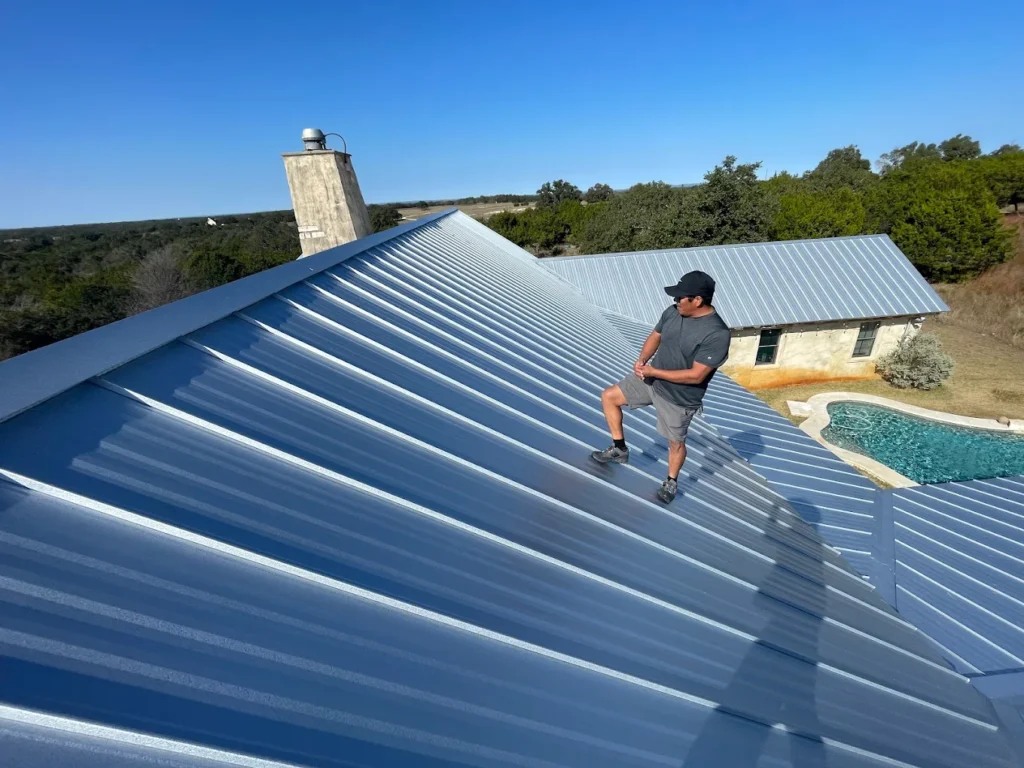
Roof Inspections
Annual and post-storm inspections with a written report. Important for any Leander home in the hail corridor and for subdivision properties hitting the 10 to 15 year window.
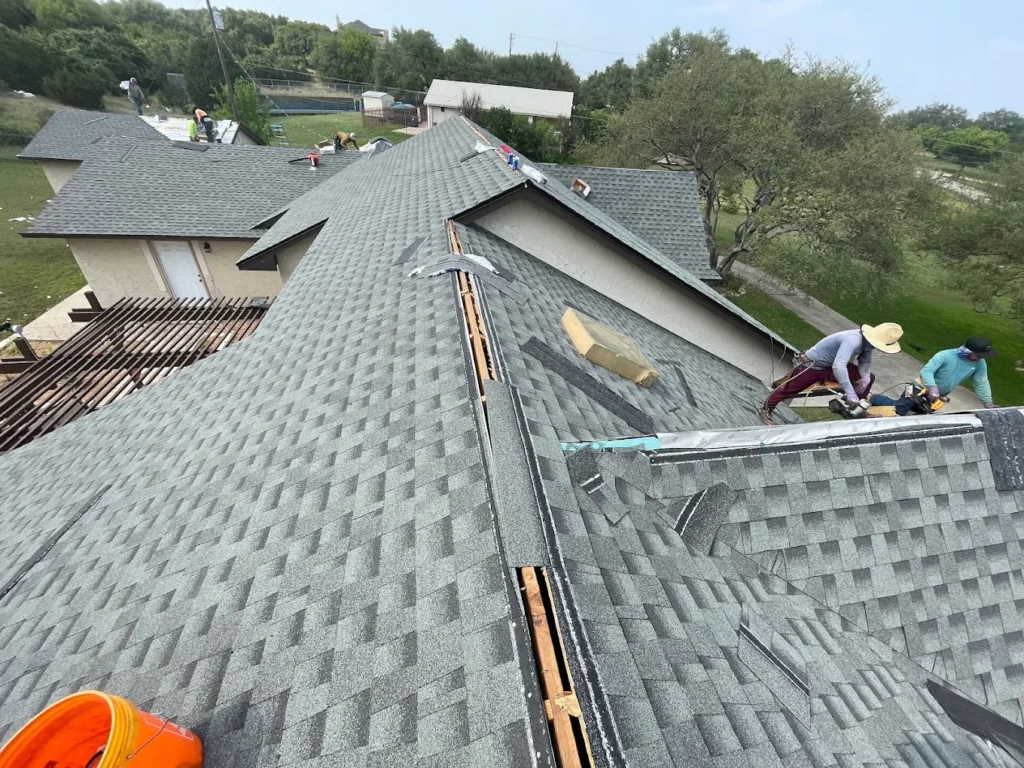
Roof Repair
Isolated damage, flashing failures, cracked or missing shingles. Common in Leander after spring storms and on rapid-growth-era subdivision homes where installation shortcuts surface over time.
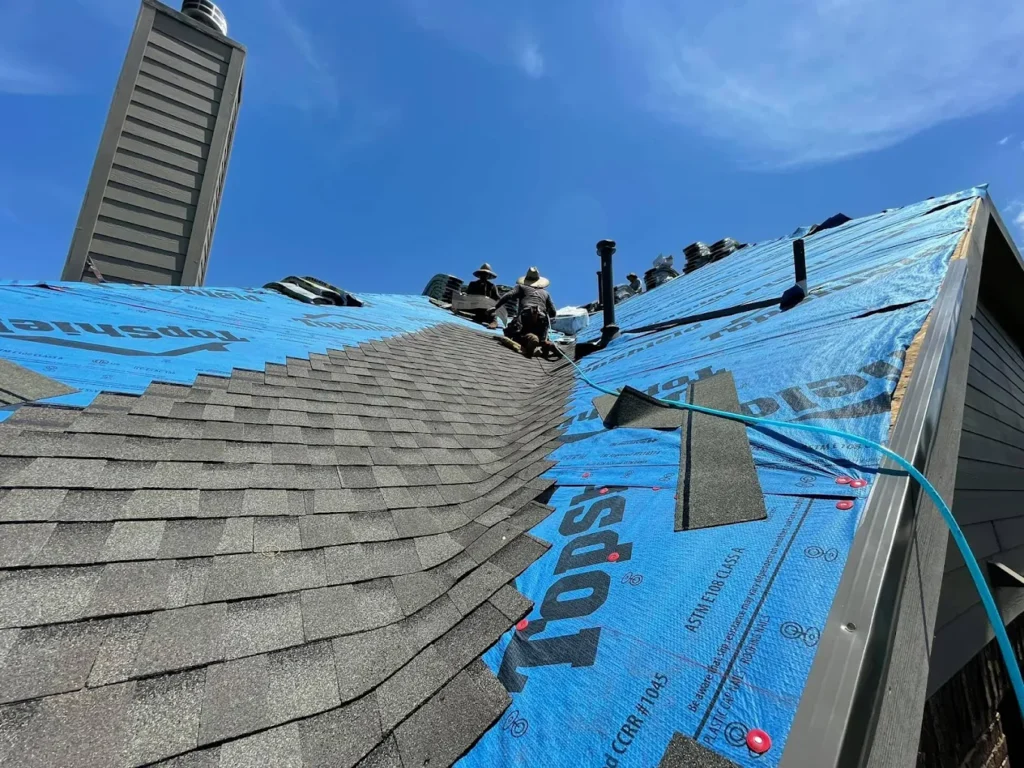
Roof Replacement
Full replacements for Leander homes from older downtown properties to newer Crystal Falls, Travisso, and Mason Hills builds. All roof types. Qualifying replacements eligible for GAF's strongest warranties.
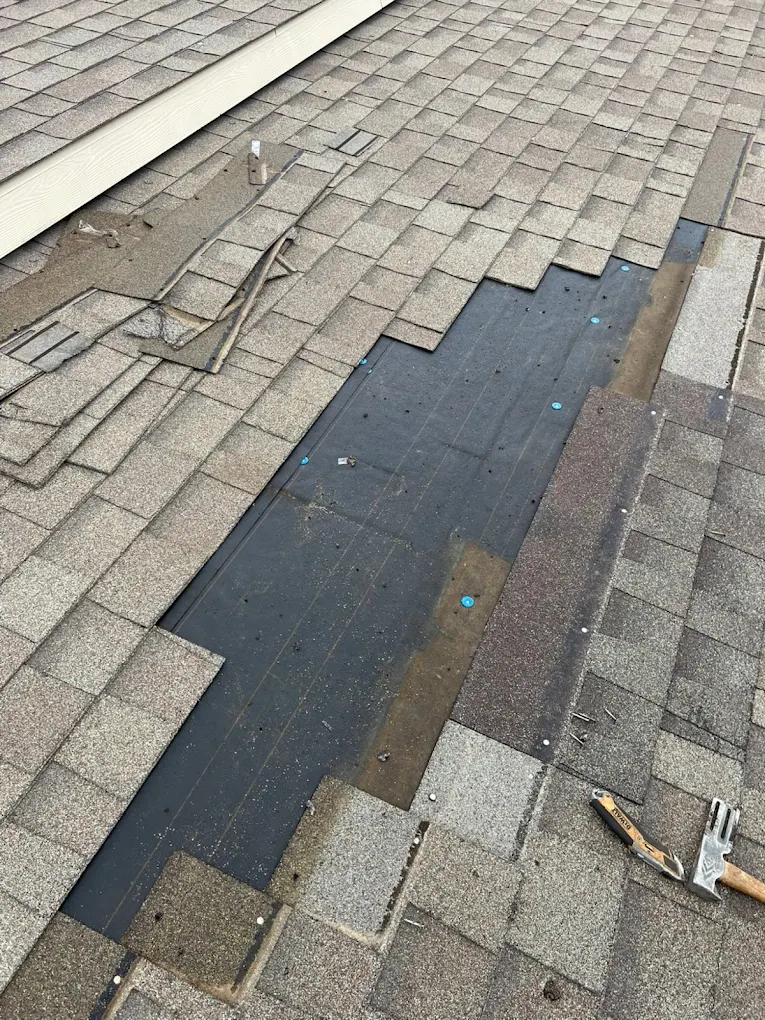
Storm Damage Roof Repair
Assessment and repair after storms. Leander's hail corridor exposure means thorough documentation matters. We produce adjuster-ready reports for insurance claims.
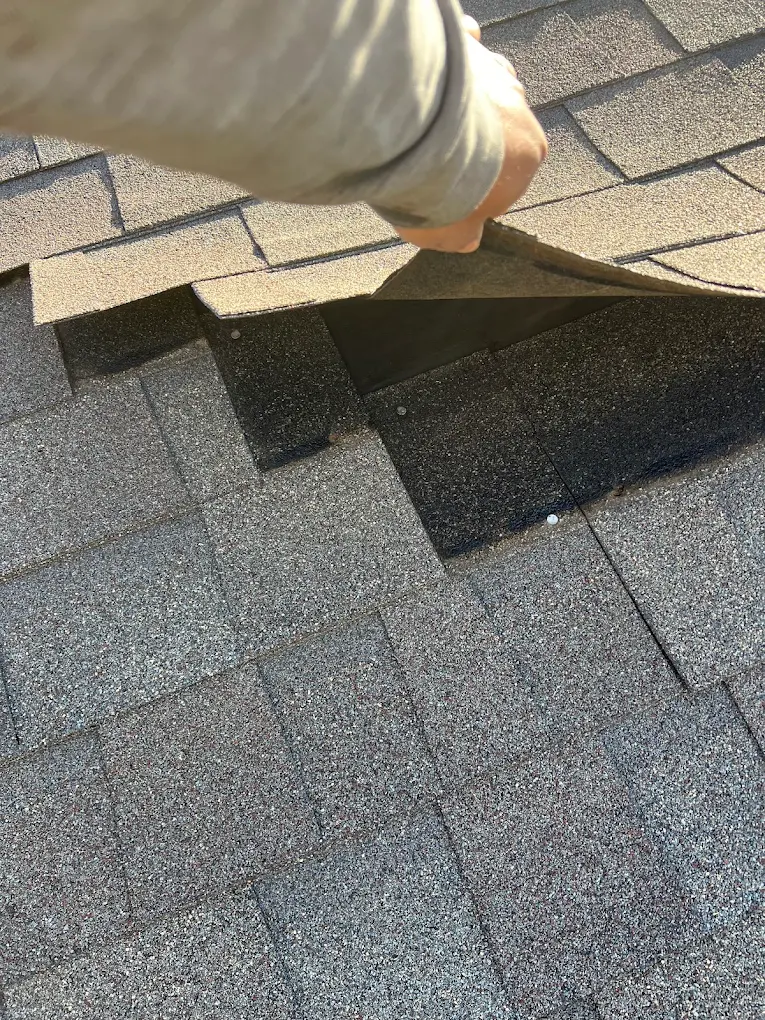
Hail Damage Roof Repair
Hail assessments with full photo documentation, damage measurements, and written scope. We work with all major insurance carriers for Leander homeowners.
What Leander Homeowners Should Expect From a Roofing Contractor
Leander gets hit by out-of-state storm chasers harder than most Central Texas cities because of its hail corridor exposure and the volume of subdivision homes. The pattern is familiar. A crew shows up days after a hailstorm, takes the job quickly, and is gone before any warranty issues surface. Here is what a legitimate, locally based contractor looks like in practice.

GAF Master Elite Certified
Fewer than 2% of U.S. roofing contractors earn this certification. It qualifies your replacement for GAF's Golden Pledge warranty, which covers materials and labor for 25 years backed by GAF directly. Most contractors working in Leander cannot offer this.
In-house crews only
We never subcontract to third-party labor. Our own trained crews handle every Leander job from tear-off to final walkthrough. Consistent workmanship and direct accountability on every project.
Local and accountable
We have been working across Central Texas for over 20 years. Not a crew that moves in after a storm and moves on. If something needs attention six months after your project closes, you can reach us.
Insurance claim experience
For hail and storm damage claims, documentation quality determines how the claim is handled. Our reports are built to adjuster standards. We have helped homeowners win claims that were initially denied.
Written estimates before work
Every Leander estimate is itemized and in writing before a single crew member is scheduled. You know exactly what materials are being used, what the labor is, and what the final number is.
Frequently Asked Questions about Leander Roofing
Does Altitude Roofing serve Leander and the surrounding communities?
Yes. We serve Leander including Crystal Falls, Travisso, Mason Hills, Bryson, Larkspur, and the older downtown area. We also cover Cedar Park, Liberty Hill, and the broader Highway 183A corridor. We have been working across Central Texas for over 20 years.
How much does a roof replacement cost in Leander TX?
Most residential replacements in Leander range from $8,000 to $22,000 or more depending on roof size, pitch, material choice, and decking condition. Larger Crystal Falls and Travisso homes with complex roof lines often run toward the higher end. We provide a detailed written estimate after a free inspection.
I think my Leander roof was hit by hail. What should I do?
Check soft metal surfaces like gutters, downspouts, and AC unit fins for dents. Those are the clearest ground-level indicators. On the roof itself, look for granule loss in piles at the bottom of downspouts and any visible bruising. The most reliable next step is a free professional inspection, especially before filing an insurance claim. Documentation quality matters and we produce reports built to adjuster standards.
My Leander home is in an HOA. Will that affect my roofing options?
It may. Several Leander communities including parts of Crystal Falls and Travisso have HOA guidelines on approved shingle colors and material types. We factor these into our material recommendations from the start and can provide the documentation your HOA needs for the approval process.
How long does a roof replacement take in Leander?
Most residential replacements in Leander are completed in one to two days depending on size and complexity. Larger Crystal Falls and Travisso homes occasionally extend to a third day. We give you a clear timeline before work starts and do a full cleanup before we leave.
Serving Austin and Central Texas - 20 Communities
Altitude Roofing is headquartered in the Belterra Village area of Southwest Austin (78737). We serve homeowners across 20 communities in the greater Austin metro and Central Texas, and can typically schedule an inspection within one to two business days.
Get a Free Roof Inspection in Leander
If your Leander home needs a roof inspection, repair, or replacement, we are ready to help. We will come out, assess the full roof, and give you an honest written recommendation. No pressure, no obligation.
Call (512) 809-3229 or schedule online. We serve Leander and the 183A corridor regularly and can typically book within one to three business days depending on travel logistics.