 Skip to content
Central Texas Roofing Expert
Tile Roofing Austin, TX Installation, Repair & Replacement
Austin isn’t exactly a tile roofing town. Most homes here run asphalt shingles. But if you own a Spanish Colonial in Barton Creek, a custom estate in the Hill Country, or a 1990s Mediterranean-style home in the 78737 zip code — your roof is already tile, or it should be. And that creates a very different set of questions than your neighbor faces when their shingles blow off in a storm.
Altitude Roofing installs, repairs, and replaces clay and concrete tile roofing systems across Austin and Central Texas. We are a GAF Master Elite certified contractor with more than 20 years in this market. If you’re trying to figure out what’s happening with your tile roof — or whether tile makes sense for a new build .
Get Your Free Inspection
Please fill out the form below to schedule your roof inspection. Our team will contact you within 24 hours to confirm the details.
- No obligation. 100% Free Estimate.
Tile Roofing in Austin, TX: Is It Right for Your Home?
Tile roofing works for a specific slice of the Austin housing market – and it works exceptionally well for that slice. Here’s where it actually shows up in Central Texas:
Older Custom Homes in Southwest Austin
Custom homes built through the 1980s and 1990s in the 78737, 78749, and 78736 zip codes frequently carry clay or concrete tile roofs. Many were spec’d with tile as a premium finish material when the area was still custom-built rather than subdivision-developed. If your home falls in this cohort and your tile system is 25 to 35 years old, a repair-versus-replace decision is likely on the horizon. The next few sections help you think through exactly that.
Spanish Colonial, Mission, and Mediterranean Homes
Homes designed in Spanish Colonial, Mission, or Mediterranean styles – throughout Barton Creek, Davenport Ranch, Lost Creek, and similar corridors – use barrel tile or S-tile profiles as part of the architectural identity. For these homes, tile isn’t just a roofing choice. It’s an aesthetic requirement. Replacing with shingles or standing-seam metal changes the character of the home in a way most owners in these neighborhoods aren’t willing to accept. We understand that. Our job is to match the original profile as closely as possible, not talk you into a cheaper material.
New Custom Builds and High-End Hill Country Projects
Tile continues to be specified on higher-end custom builds where long-term performance matters more than upfront cost. If you’re building in a Hill Country setting or in a neighborhood where the architectural style calls for it, tile is a legitimate premium option with a lifespan that justifies the investment several times over.
Tile Roofing Services We Provide in Austin, TX
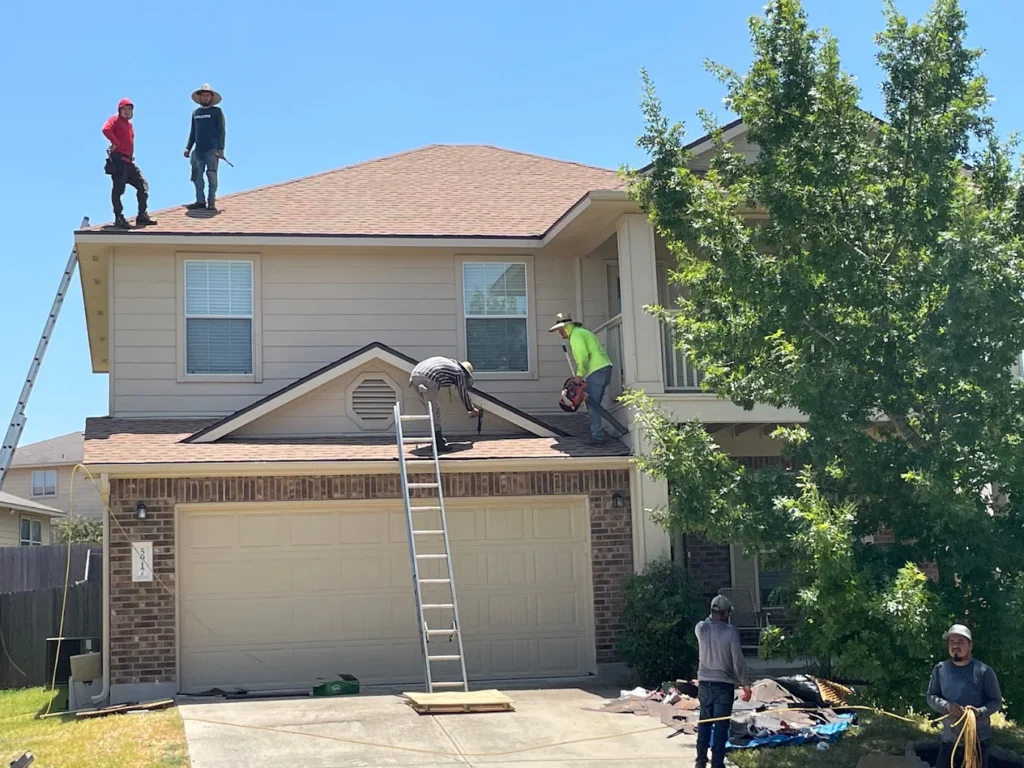
Tile Roof Installation Austin TX
Installing tile roofing requires a different level of attention than shingle work. Before a single tile goes on, we evaluate your roof framing to confirm it can support the load. Tile is heavy — clay typically runs 9 to 12 pounds per square foot compared to 2 to 4 pounds for asphalt shingles. We select the right high-temperature synthetic underlayment for tile applications, set battens or direct-to-deck based on pitch and tile type, and handle every flashing detail at chimneys, valleys, and wall transitions. Austin's heat demands materials rated for it. We don't cut corners on underlayment because the underlayment is what actually keeps water out — the tile above it channels and sheds, but it is not inherently waterproof.
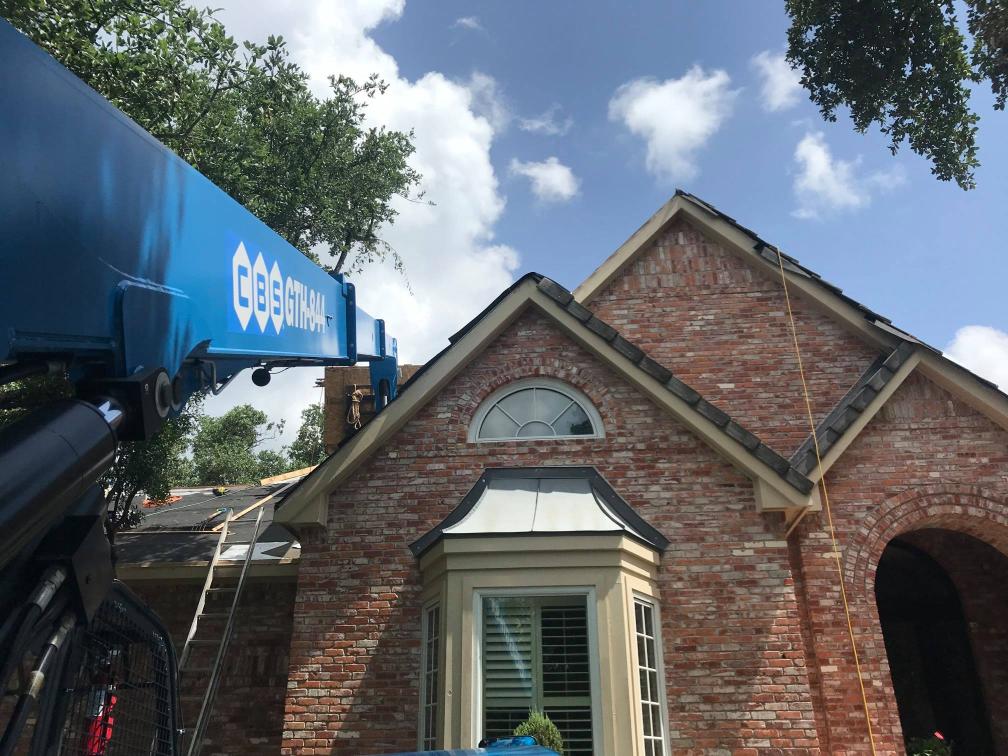
Tile Roof Replacement Austin TX
Full tile roof replacement on an existing Austin home starts with a structural assessment to confirm the deck and framing are sound. On 1980s and 1990s tile roofs, we frequently find underlayment that has reached the end of its life even when the tiles themselves still look acceptable from the street. This is the most common reason repairs turn into replacements — the tiles are fine, but the waterproofing layer beneath them is not. We tear off to the deck, replace any compromised decking, install new high-performance underlayment, and set new tile course by course from eave to ridge. Every ridge cap, hip tile, and flashing detail is handled to manufacturer spec.
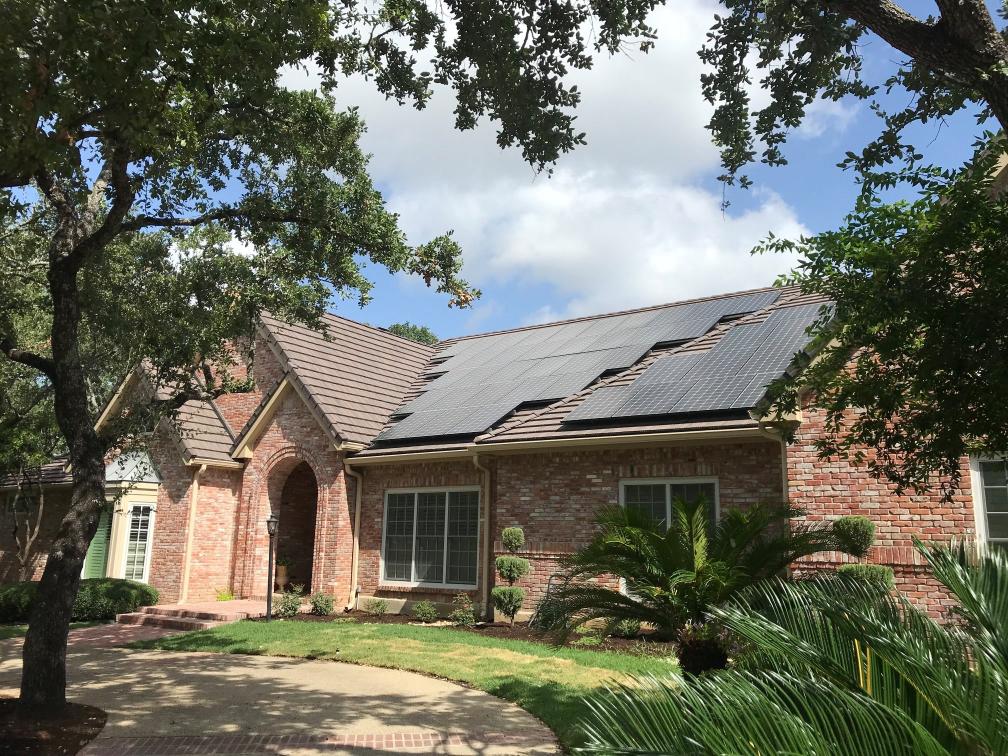
Tile Roof Repair Austin TX
When individual tiles are cracked or broken and the underlying system is still sound, repair is almost always the right call. The challenge specific to Austin's older tile roofs is profile matching. If your roof was installed in the 1980s or 1990s with a profile that's no longer in production, finding matching tiles requires sourcing from specialty suppliers or salvage sources. We identify matching options before committing to any repair scope. If matching tiles can't be found at a reasonable cost, we'll tell you upfront - not after you've paid for a crew to show up.
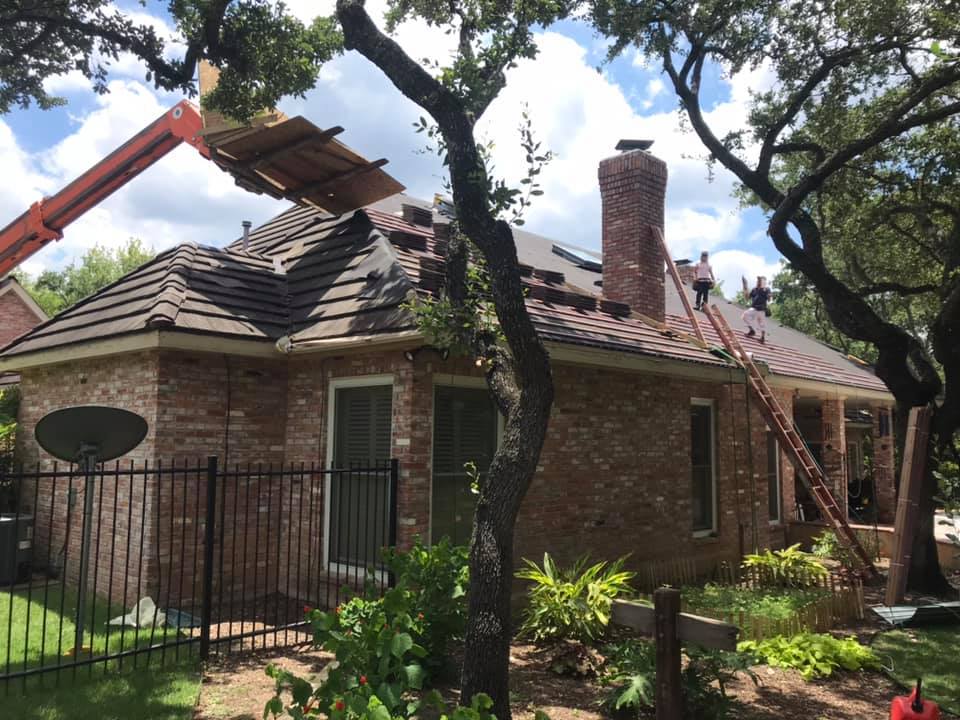
Tile Roof Repair vs. Replacement: A Straight Answer
Repair makes sense when: individual tiles are broken from hail or impact, flashing at penetrations has failed and caused a localized leak, or ridge caps are cracking and separating. Replacement makes more sense when: underlayment has reached the end of its service life, widespread hail damage affects more than 30% of roof area, or profile matching for isolated repairs isn't feasible with currently available tile. We walk through this distinction at every free inspection - and we'll give you a straight answer, not a sales pitch toward the more expensive option.
Clay Tile vs. Concrete Tile Roofing in Austin, TX
Most roofing websites give you a generic comparison of clay and concrete tile. Here’s what actually matters for Central Texas homeowners:
| Clay Tile | Concrete Tile | |
|---|---|---|
| Lifespan | 50–100 years. Color is fired in — won’t fade. | 40–60 years. Can show surface fading under heavy UV. |
| Weight | 9–12 lbs/sq ft. Heavier — framing check required. | 8–11 lbs/sq ft. Still heavy — framing check required. |
| Hail Performance | Brittle under impact. Can crack or shatter with large hail. | Better impact resistance. Some systems carry Class 4 rating. |
| Austin Cost (vs. shingles) | 2x–3x asphalt cost. Higher upfront, lower long-term. | 1.5x–2.5x asphalt cost. Good middle-ground investment. |
| Profile Matching | Discontinued profiles require specialty sourcing. Real challenge on 1980s–90s roofs. | Somewhat easier than clay, but discontinued profiles still an issue. |
| Heat Resistance | Excellent. Used in hot climates for centuries. Handles Austin summers well. | Good. Absorbs slightly more heat than clay but still performs well. |
| Insurance (Hail) | Class A fire rating. Impact rating typically lower — fewer discounts available. | Class A fire. Class 4 concrete systems can qualify for premium discounts with TX carriers. |
What a Structural Assessment for Tile Roofing Actually Means
Every tile roofing contractor in Austin will tell you they do a structural assessment. Very few will explain what that actually involves or what the outcomes mean for your project. Here’s the real conversation:
Tile is the heaviest common roofing material. At 8 to 12 pounds per square foot, a full tile roof system weighs four to six times more than asphalt shingles. Your roof framing was engineered to carry a specific load. Before any new tile goes on, we need to confirm that load is appropriate for your framing.
Rafter size, span, and spacing
Homes built in Central Texas with tile-appropriate architecture were often framed to tile load specs from the start. Homes later re-roofed with tile over shingle framing may need reinforcement.
Decking condition
Sheathing thickness and integrity. Soft spots, moisture damage, and compromised decking are common on aging tile systems where underlayment failure went unaddressed.
Existing dead load
If your home already carries tile and the framing has done it for 25–35 years without issue, replacement with a similar weight class is typically straightforward.
Reinforcement needs
When sistering or framing reinforcement is needed, it adds real cost. We flag this before the contract is signed — not after tear-off begins.
Tile Roofing and Hail: What Austin Homeowners Need to Know
Central Texas sees serious hail activity every spring, and tile behaves very differently under hail impact than shingles or metal. This affects both how you assess damage and how your insurance claim gets handled.
Clay Tile and Hail
Clay tile is a fired, rigid material. It holds up beautifully against UV exposure and decades of thermal cycling. Under direct hail impact – especially the large-diameter hail Central Texas sees in spring storms – it’s brittle. Individual tiles can crack or shatter. The damage is visible and discrete, which actually works in your favor when filing an insurance claim: a hail claim on clay tile is typically a matter of counting and documenting broken tiles. The challenge, again, is profile matching for replacements.
Concrete Tile and Hail
Concrete tile handles hail impact significantly better than clay. Some concrete tile systems carry a Class 4 impact resistance rating – the highest available, and the same rating that can qualify metal roofing for insurance premium discounts with many Texas carriers. If you’re installing a new concrete tile system in an area of Central Texas that sees regular hail, ask specifically whether the product you’re considering carries Class 4 certification. Not all concrete tile achieves it, and the documentation your insurer requires varies by carrier.
How We Handle Tile Hail Claims
Mr Nichols holds an all-lines insurance adjuster license and uses HAAG inspection protocols – the same methodology insurance adjusters use to evaluate storm and hail damage. When we document tile hail damage, we produce reports in the format adjusters require. That’s a meaningfully different process from a standard shingle inspection, and it matters when your claim is being reviewed. We have helped Austin homeowners win claims that were initially denied. If you’ve had a hail event and you’re not sure what it did to your tile roof, start with a free inspection.
How We Install Tile Roofing in Austin, TX
Tile installation requires precision that shingle or metal work doesn’t. Panel alignment, underlayment selection, batten spacing, and flashing details at every penetration and transition are all areas where the quality of the crew shows. Here’s exactly what our process looks like:
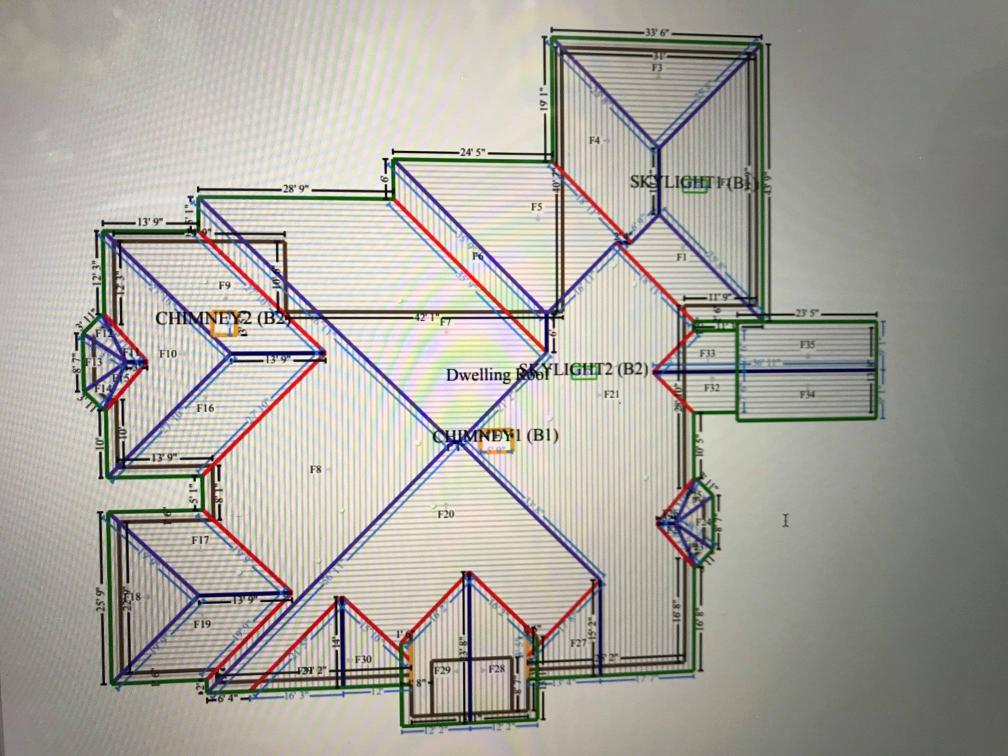
Step 1
Structural Assessment
Evaluate deck and framing for load capacity. Identify any decking that needs replacement before new tile goes on. For replacements, assess whether existing framing was originally built for tile load.
Step 2
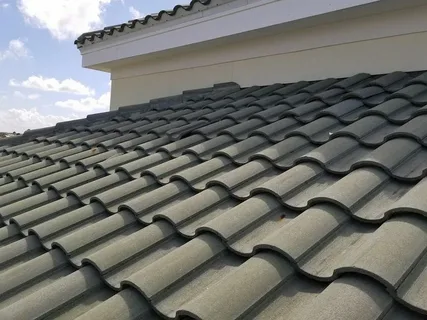
Tile Selection & Profile Confirmation
For replacements, identify the current profile and confirm matching availability before any work begins. For new installs, walk through tile type, profile, color, and manufacturer options — including HOA requirements if applicable.
Step 3
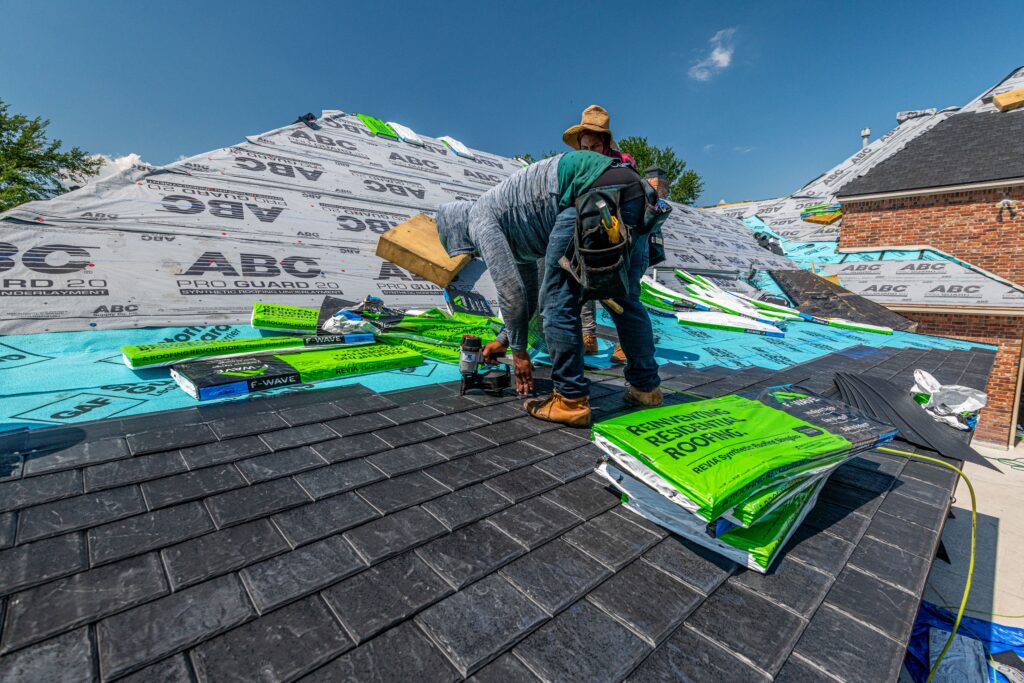
Tear-Off & Deck Prep
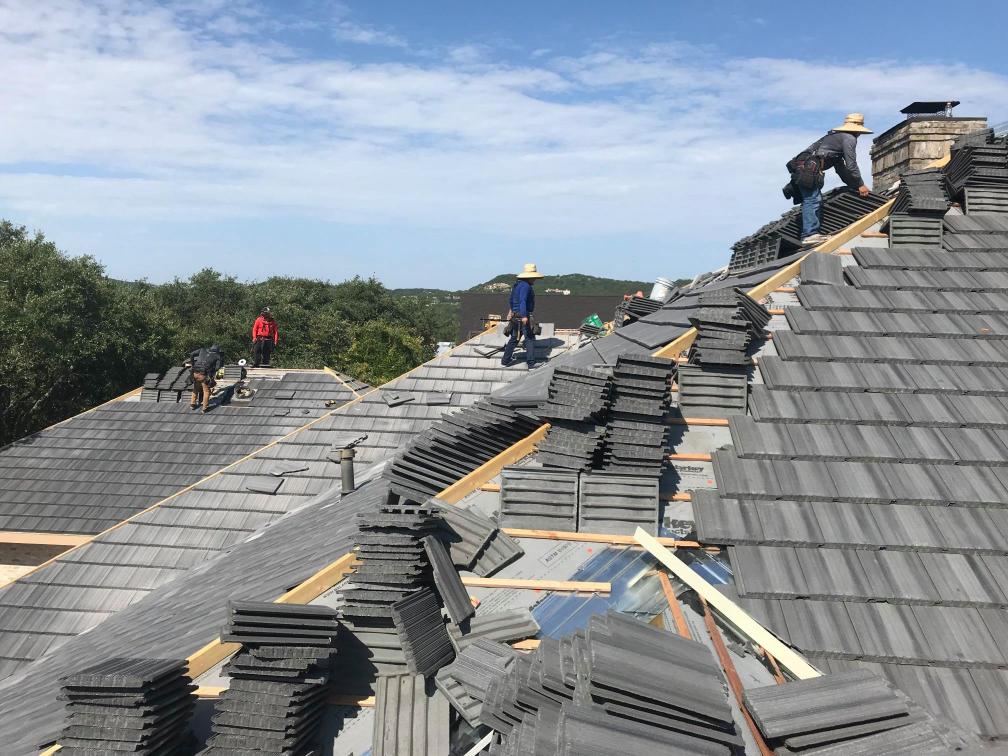
Remove existing roofing to the deck. Replace soft, damaged, or moisture-compromised decking sections. On older Austin tile roofs, this step frequently reveals underlayment failure that wasn’t visible from the exterior.
Step 4
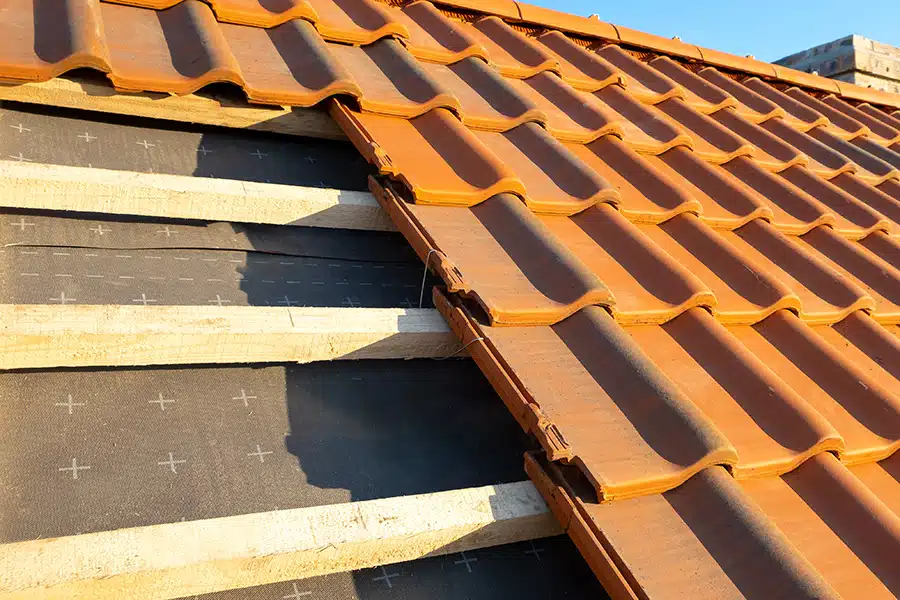
Underlayment Installation
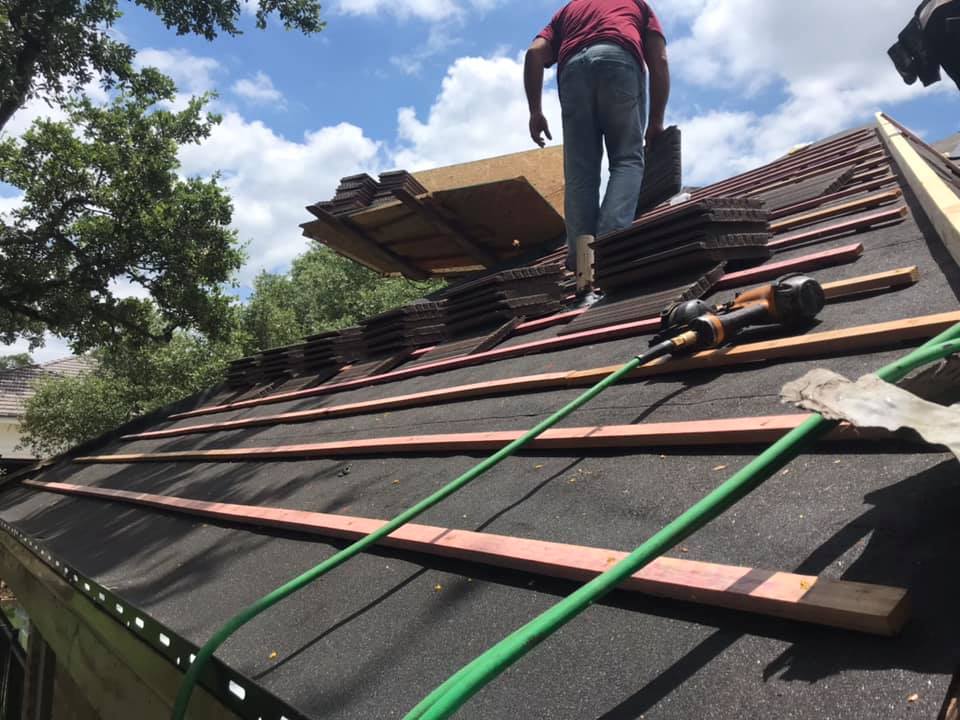
Install high-temperature synthetic underlayment rated specifically for tile applications. Tile underlayment is not interchangeable with standard shingle underlayment — the product must be rated for extended dry periods and heat exposure under tile in Central Texas summers.
Step 5
Battens or Direct-Deck Install
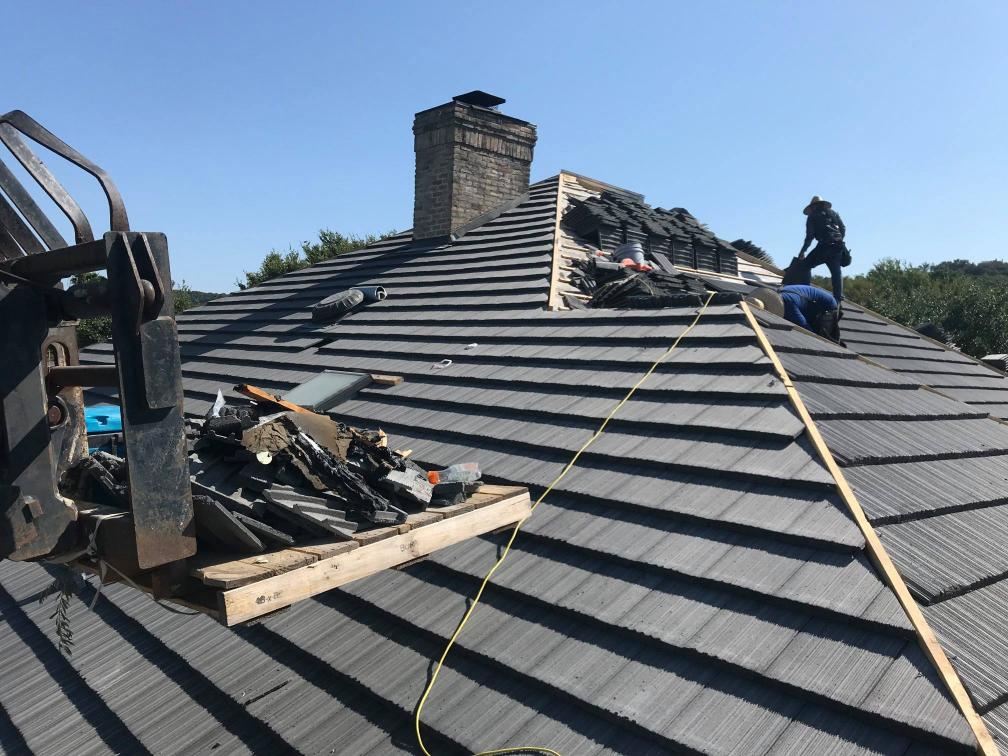
Set battens or install direct-to-deck based on tile system and roof pitch. Battens allow air circulation and drainage beneath the tile layer. Set coursing lines, cut tiles at transitions, install all flashings before tile setting begins.
Step 6
Tile Setting, Flashing & Final Inspection
Set tiles course by course from eave to ridge. Mortar or mechanically fasten ridge caps, hip tiles, and all transition details per manufacturer spec. Complete full final inspection and clean-up before calling the job done.
Signs Your Tile Roof in Austin Needs Attention
Tile fails differently than shingles. These are the signals that mean something needs to be looked at — and what each one typically indicates:
- Cracked or broken individual tiles — A few cracked tiles after a storm is a repair situation. Widespread breakage across multiple roof planes is a different conversation.
- Active leaks on a roof where the tiles look fine — On older Austin tile roofs, this almost always means underlayment failure beneath visually intact tiles. The street-level view tells you nothing.
- Crumbling or separating ridge caps — Mortar-set ridge tile on 1980s and 1990s Austin homes has a finite lifespan. When ridge caps crack or separate, water works its way under the tile at the highest-exposure points on the roof.
- White mineral deposits on concrete tile — Efflorescence indicates water is moving through the tile surface. It signals deteriorating surface sealers and accelerating moisture absorption.
- Sagging or visible deflection under the tile layer — Long-term moisture infiltration from aged underlayment can compromise the deck below. Any visible sagging needs immediate attention.
If you’re seeing any of these on your Austin home, a free inspection gives you a clear picture before a small problem becomes a large one.
Tile Roofing Cost in Austin, TX: What to Expect
Tile roofing costs more upfront than asphalt shingles. That’s the honest starting point. But the lifespan difference – 50 to 100 years for a quality tile system versus 15 to 25 years for shingles – changes the math significantly when you think about it over the life of the home.
Tile Type: Concrete Tile Replacement
Typical Austin Range: $18,000 – $32,000+
Comparable Shingle Replacement: 1.5x – 2.5x shingle cost
Tile Type: Clay Tile Replacement
Typical Austin Range: $22,000 – $45,000+
Comparable Shingle Replacement: 2x – 3x shingle cost
Tile Type: Tile Repair (isolated)
Typical Austin Range: $800 – $4,000+
Comparable Shingle Replacement: Depends on tile availability and scope
Tile Type: Structural Reinforcement (if needed)
Typical Austin Range: Add $2,000 – $8,000+
Comparable Shingle Replacement: Depends on extent of framing work required
These ranges vary based on roof size, pitch complexity, tile profile selected, structural reinforcement requirements, and tile profile availability. We provide a detailed written estimate after every free inspection — line-itemed, no hidden costs. If something changes once we’re in the tear-off phase, we call you before proceeding.
Why Austin Homeowners Choose Altitude Roofing for Tile

GAF Master Elite Certified
Fewer than 2% of U.S. roofing contractors hold this designation. It requires licensing, insurance verification, a verifiable customer satisfaction track record, and ongoing training. It is not purchased. For tile homeowners, it means you are working with a contractor held to a documented standard — not a generalist who does tile when someone asks.

20+ Years of experience in Central Texas
We know which neighborhoods in Austin carry aging tile systems, which profiles were common in the 1980s and 1990s, and where the profile matching challenges are likely to show up. That local institutional knowledge matters when you are sourcing discontinued tile or making a repair-versus-replace decision on a 1990s custom home.
HAAG Inspection Protocols + Adjuster License
Edwin holds an all-lines insurance adjuster license and uses HAAG inspection protocols — the standard methodology insurance companies use. When a hail event damages your tile roof and you need to file a claim, we produce documentation in the format adjusters require. We have helped Austin homeowners win claims that were initially denied.
Structural Assessment Included
We don't skip this step or estimate it. Before any tile system goes on your home, your framing gets evaluated for load capacity. If reinforcement is needed, you'll know before a contract is signed — not after tear-off begins.
168+ Five-Star Google Reviews
Our reputation in Austin and Central Texas is built on showing up when we say we will, communicating clearly through the job, and delivering work that holds up. The reviews are real. Read them before you decide.
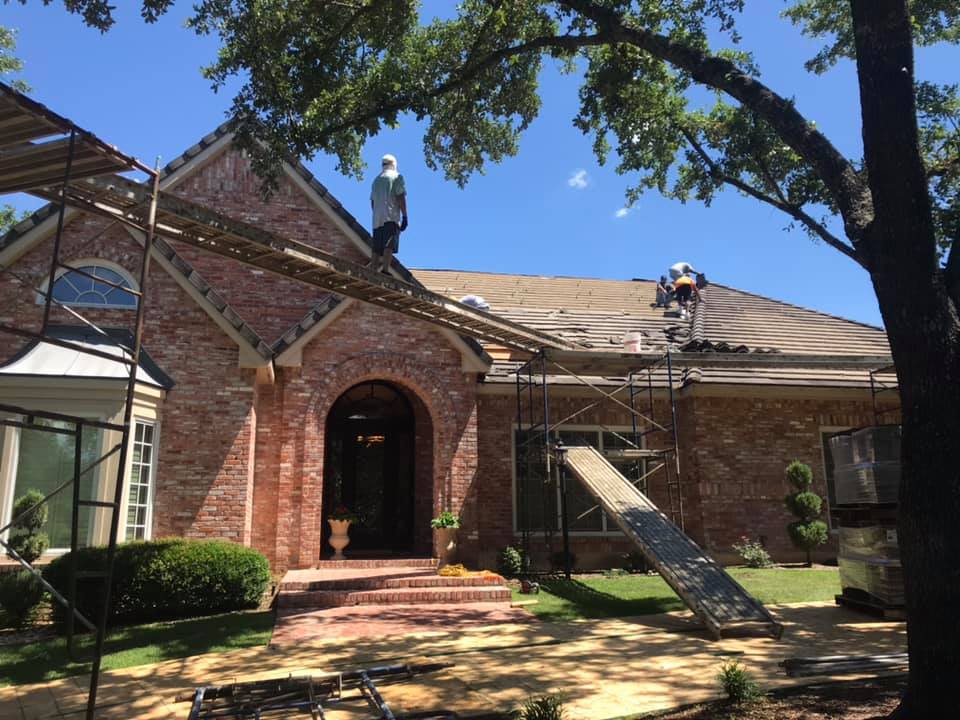
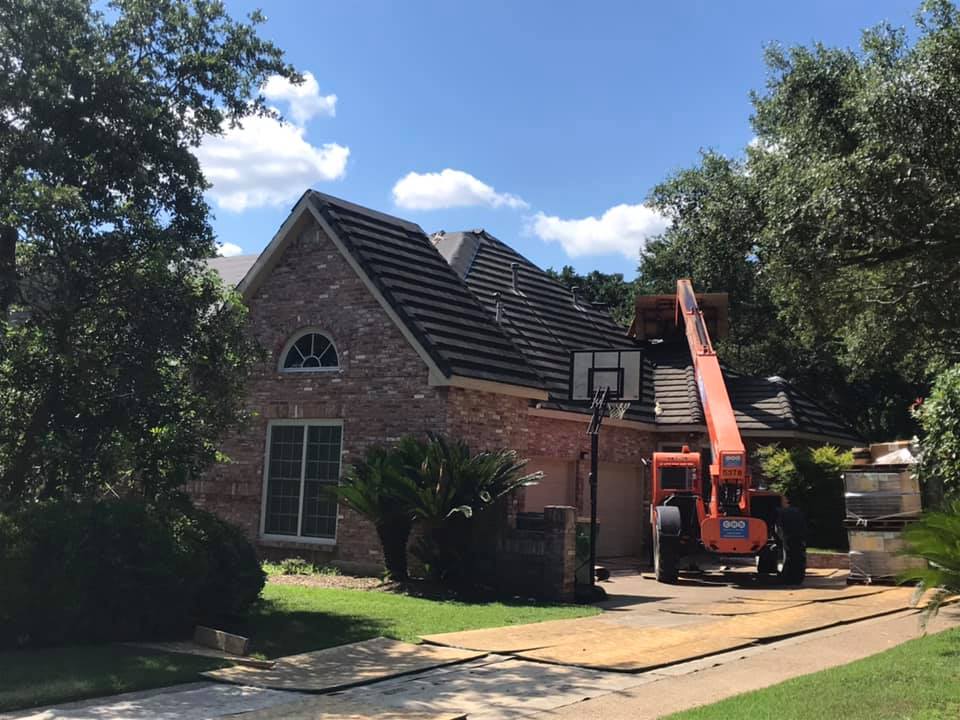
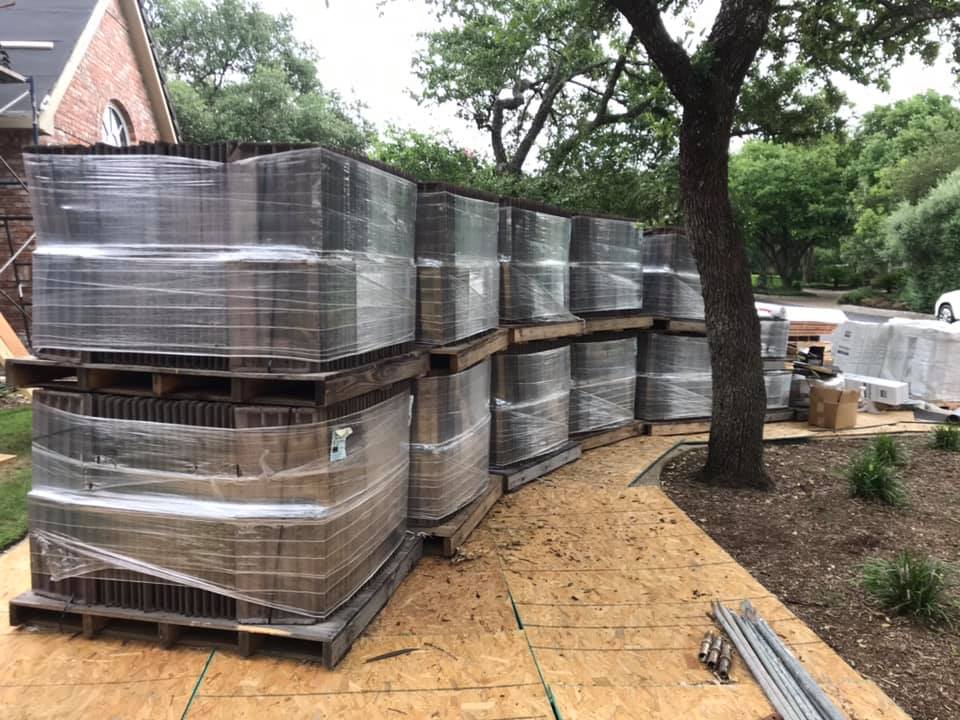
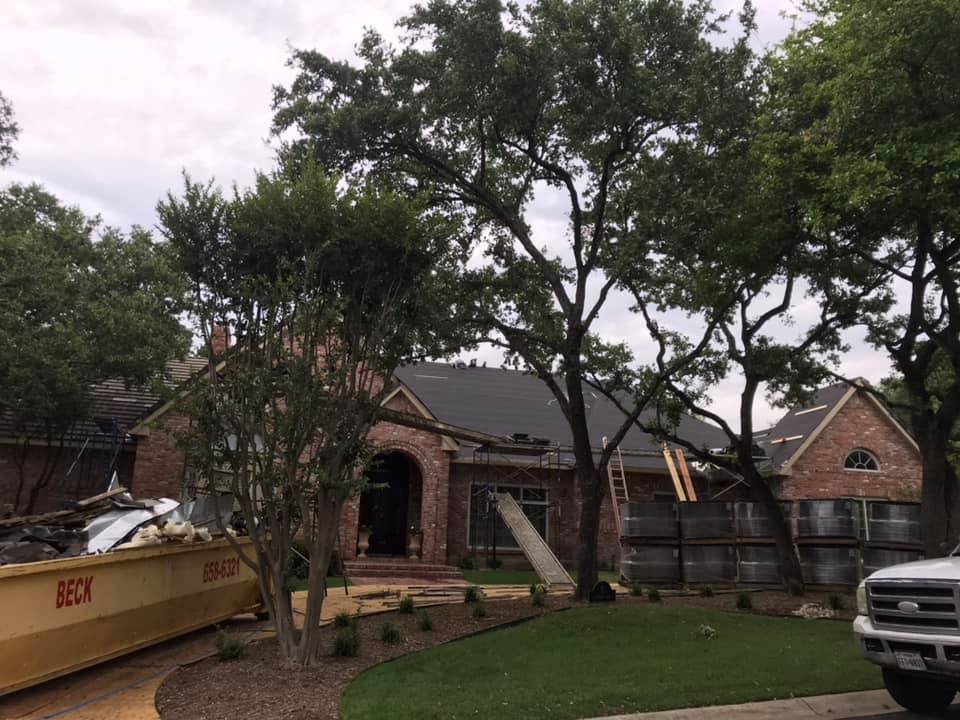
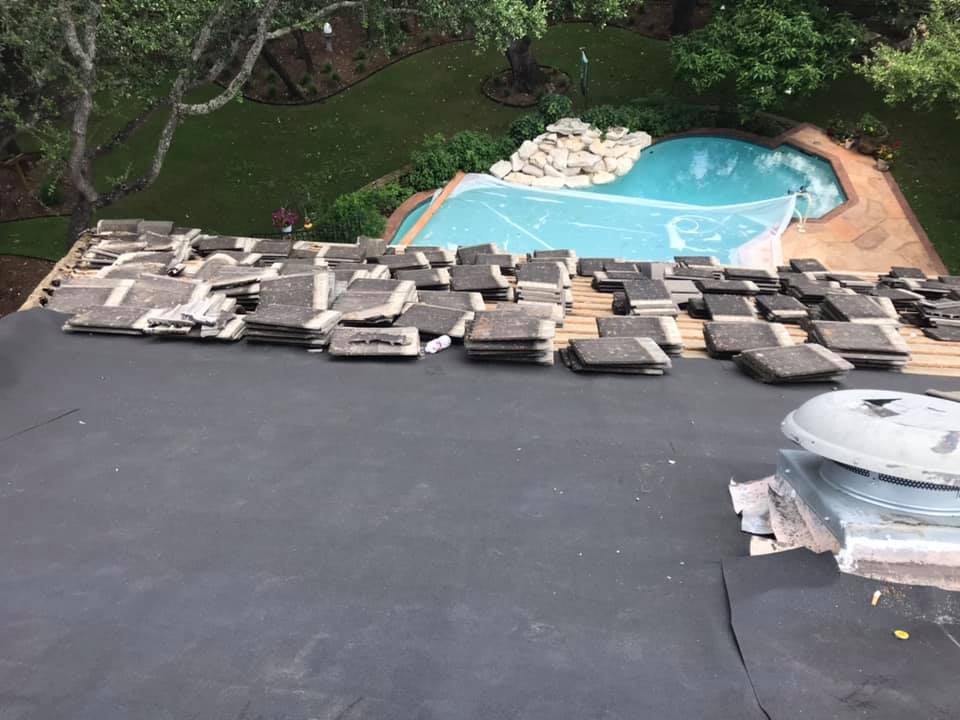
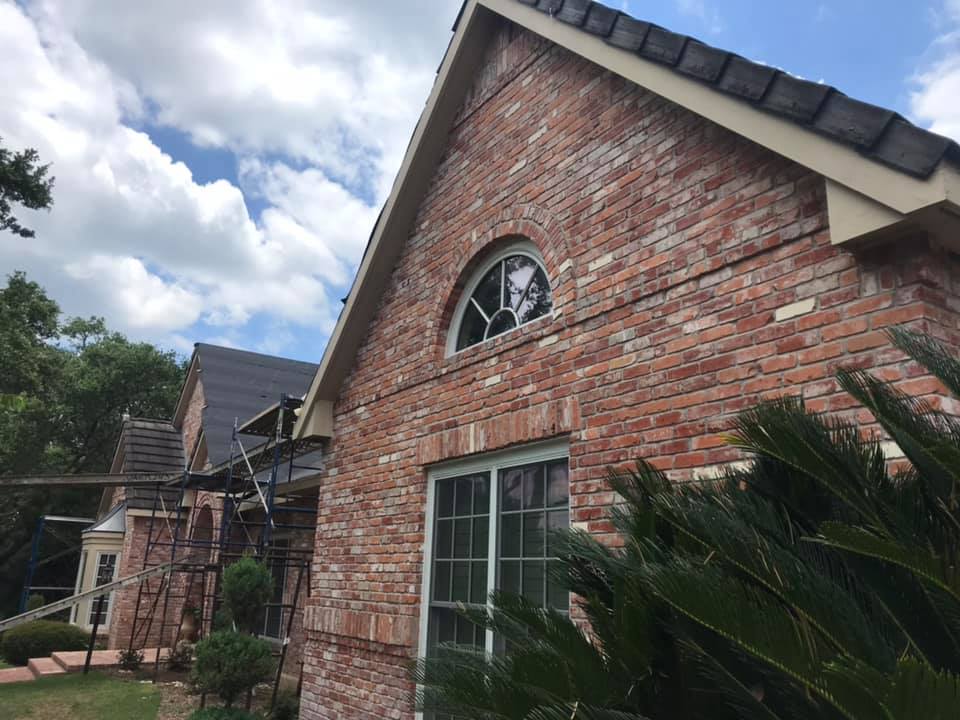
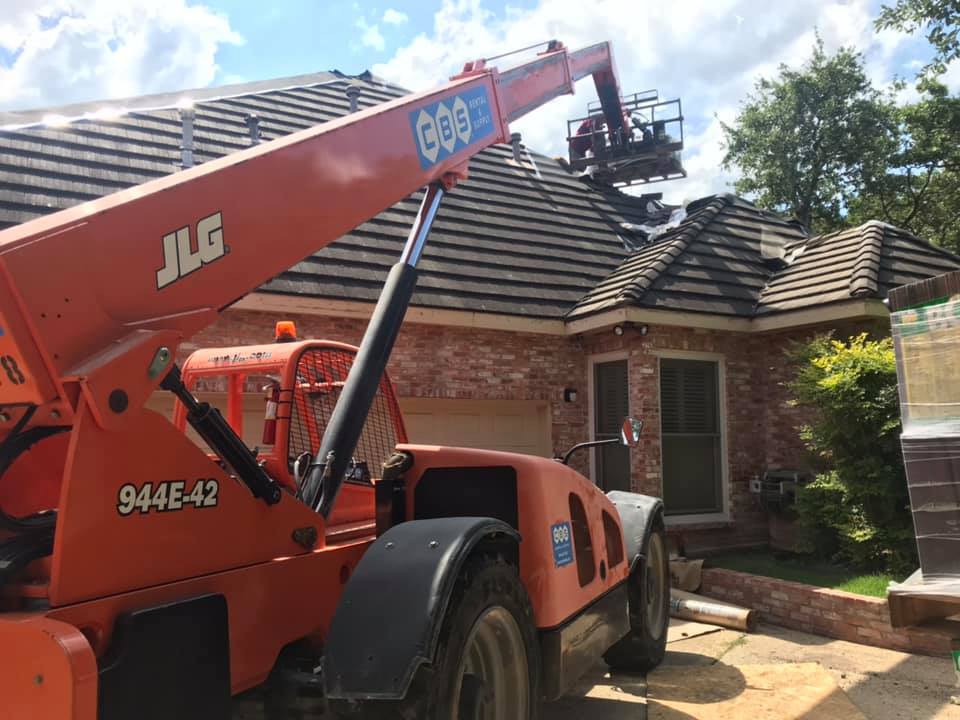
Our Premium Tile Roof Replacement Projects in Austin & Surrounding Neighborhoods
Serving Austin and Central Texas - 20 Communities
Altitude Roofing is headquartered in the Belterra Village area of Southwest Austin (78737). We serve homeowners across 20 communities in the greater Austin metro and Central Texas, and can typically schedule an inspection within one to two business days.
Frequently Asked Questions About Tile Roofing in Austin, TX
Is tile roofing a good choice for Austin's climate?
For the right home, yes. Clay and concrete tile handle Central Texas heat better than asphalt shingles — they don’t degrade under UV exposure the way granule-coated shingles do. Tile also performs well in high-wind events. The limitations are structural weight, higher upfront cost, and the fact that it’s not the right architectural fit for every home. If your home’s design supports tile and your framing can carry the load, tile is one of the most durable roofing options available for this climate.
Can I repair my tile roof or do I need to replace it?
It depends on what’s actually failing. If individual tiles are cracked or broken and the underlayment beneath them is still intact, repair is almost always the right answer. If your tile roof is 25 to 35 years old and you’re dealing with active leaks despite the tiles looking fine from the street, the underlayment is likely the problem — and that requires removing the tiles to address properly. A free inspection gives you a clear answer with documentation, not a guess.
My tile roof is from the 1990s. Can you find matching tiles for repairs?
Sometimes – but not always, and we’ll tell you upfront. Profile matching on 1980s and 1990s tile systems is one of the real challenges in tile repair. Some profiles from that era are still in production or available through specialty distributors. Others have been discontinued and require sourcing from salvage suppliers. We identify matching options before committing to any repair scope. If matching tiles can’t be found at a reasonable cost, we’ll walk through your alternatives — which may include replacement with a currently available profile.
How much does tile roofing cost in Austin, TX?
Concrete tile replacement in Austin typically runs $18,000 to $32,000 or more depending on roof size, pitch complexity, and structural requirements. Clay tile replacement generally ranges from $22,000 to $45,000 or higher for larger or more complex roofs. These numbers vary — a detailed written estimate after a free inspection is the only accurate way to price your specific project. We don’t give ballpark quotes from the driveway.
Does my home's framing need to be assessed before installing tile?
Yes, without exception. Tile is significantly heavier than asphalt shingles or metal roofing. Every tile project we take on includes a structural assessment before any work is scoped. For replacement projects on homes that already carry tile, the assessment is usually straightforward. For new tile installations on homes previously roofed with lighter materials, framing reinforcement may be required – and that affects both scope and cost.
Does tile roofing hold up to hail in Central Texas?
It depends on the tile type. Clay tile is brittle under impact — it can crack or shatter in a significant hail event. Concrete tile handles impact better, and some systems carry a Class 4 impact resistance rating. If you’re installing new concrete tile in a Central Texas hail zone, ask specifically about the impact rating of the product and whether your insurer offers a premium discount for Class 4 materials. We can walk you through both.
Will switching to tile affect my homeowner's insurance?
Tile’s Class A fire rating is a positive factor with most Texas carriers. Concrete tile with a Class 4 impact rating can qualify for the same premium discounts as Class 4 shingles and metal roofing. Clay tile typically doesn’t carry a Class 4 impact rating and may not qualify for those discounts. We can help you understand which tile system qualifies and what documentation your insurer needs – Edwin’s adjuster background makes this a specific strength of ours.
Get a Free Tile Roofing Estimate in Austin, TX
Whether you’re evaluating tile for a new build, facing a repair-versus-replace decision on a 1990s system, or dealing with storm damage on an existing tile roof — start with a free inspection. We’ll assess your current roof, confirm profile matching options if relevant, evaluate structural requirements, and give you a clear, detailed written estimate.
No obligation. No pressure toward a more expensive product. Just a straight picture of where your roof stands and what your real options are.