Skip to content
Austin throws a lot at a roof. One week it’s 100 degrees. The next, hail falls the size of golf balls. Then a flash flood rolls in out of nowhere. Your roof takes the hit every time.
This is why so many homeowners are asking the same question. Is there a roofing material built for this kind of weather? The answer is yes. Tile roofs are perfect for Austin’s climate, and this guide will show you exactly why.
We’ll walk through the heat, the hail, the drought, and the storms. Then we’ll show you how the tile handles each one. By the end, you’ll know if the tile is right for your home.
Austin’s Climate Puts Roofs to the Test
Central Texas doesn’t have mild weather. It swings from one extreme to another, often in the same week.
Scorching Summer Heat
Summer highs in Austin regularly climb past 95 degrees. Add direct sun, and your roof can hit even higher temperatures on its surface. Materials that can’t handle sustained heat start to break down fast. They warp, crack, or fade within a few short years.
Hail and Sudden Storms
Central Texas sits inside what meteorologists call “hail alley.” Storms roll in quick and hit hard. A single bad storm can crack shingles or dent metal roofing across an entire neighborhood.
Drought and Wildfire Risk
Dry spells are common here, especially in Hill Country neighborhoods near Austin. That dryness raises wildfire risk for homes close to greenbelts and brush. Roofing material matters more in these areas than most homeowners realize.
Humidity Swings
Austin can go from dry and dusty to soaked in a single afternoon. That kind of swing stresses materials that expand and contract with moisture. Over time, this cycle wears down anything not built to handle it.
How Tile Roofs Handle Every One of These Challenges
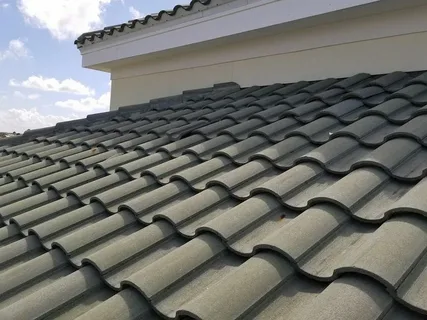
Tile roofs are perfect for Austin’s climate because they were designed for exactly this kind of punishment. Clay and concrete tile have been used in hot, dry regions for centuries. Spain, Mexico, and the American Southwest all lean on tile roofing for the same reason. It works.
Built to Stay Cool
Tile has natural thermal mass. It absorbs heat slowly and releases it just as slowly. Air also moves underneath the tiles, between the roof deck and the tile itself. This airflow keeps attic temperatures lower than under asphalt shingles. Lower attic heat means your air conditioner runs less. That saves you money every single summer.
Tough Enough for Hail
Tile roofs carry some of the highest impact ratings in residential roofing. Most clay and concrete tile earns a Class 4 impact rating, the top tier for hail resistance. Asphalt shingles bruise and lose granules in a hailstorm. Tile shrugs it off.
Fire Resistant by Nature
Clay and concrete don’t burn. Tile roofing carries a Class A fire rating, the highest rating available. This matters if your home sits near a greenbelt or wooded lot on the edge of Austin.
Built to Last for Decades
A well-installed tile roof can last 50 years or more. Compare that to asphalt shingles, which typically need replacing every 20 to 25 years in this climate. You’ll pay more upfront for tile. But you won’t be replacing your roof twice while your neighbor with shingles does.
Clay Tile vs. Concrete Tile: Which One Fits Your Home?
Both materials perform well in Austin’s heat and storms. The differences come down to weight, cost, and style.
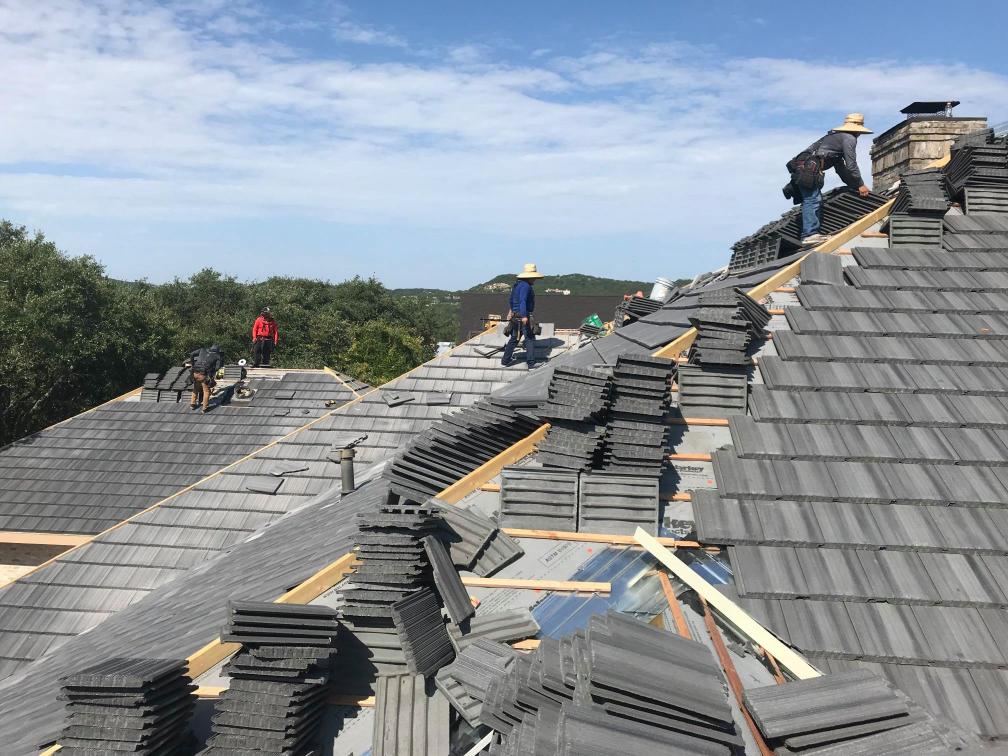
Clay tile has a longer track record and holds its color better over time, since the color runs through the entire tile. Concrete tile costs less upfront and comes in more style options, including flat profiles that mimic slate. Clay is lighter than concrete, which matters if your home’s structure is on the lighter side.
Does Your Home’s Structure Support Tile?
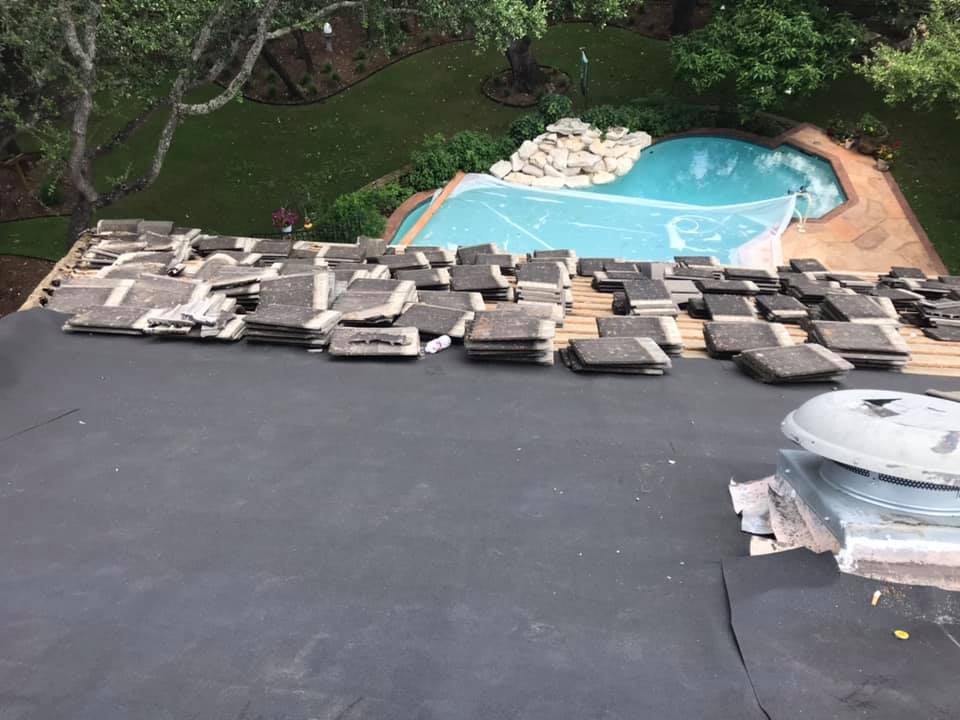
The tile is heavy. That’s part of what makes it durable, but it also means your roof structure needs to handle the added weight. Older homes and some newer production-built houses may need reinforcement before installation. This isn’t something to guess about. A licensed roofing contractor should assess your framing before you commit to tile.
If you want a full breakdown of pricing based on your home’s size and structure, check out our guide on the average tile roof cost in Austin. It walks through real numbers for clay and concrete installations.
Maintenance: Less Work, Long-Term
Tile doesn’t ask for much once it’s installed correctly. Here’s what keeps it performing for decades:
- Schedule a roof inspection twice a year, ideally before and after summer storm season
- Replace cracked or broken tiles quickly, since one damaged tile can let water into the underlayment
Outside of that, tile roofs sit quietly on your home and do their job. No annual coatings. No frequent granule loss. No constant patch jobs.
Style That Matches Austin Homes
Tile roofing looks right at home on Spanish colonial, Mediterranean, and hill country style houses across Austin. It also adds real curb appeal to more modern builds when paired with the right trim and color. If you live in a neighborhood with an HOA or historic guidelines, check local rules first. Some districts have specific requirements around roofing materials and colors.
Tile vs. Other Roofing Materials in Austin
| Feature | Tile | Asphalt Shingles | Metal |
| Heat resistance | Excellent | Fair | Good |
| Hail resistance | Excellent (Class 4) | Fair | Good |
| Fire rating | Class A | Class A (varies) | Class A |
| Average lifespan | 50+ years | 20-25 years | 40-60 years |
| Upfront cost | Higher | Lowest | Moderate-High |
| Maintenance | Low | Moderate | Low |
Tile roofs are perfect for Austin’s climate when you weigh long-term value against upfront cost. Asphalt is cheaper today. Tile costs less over the life of your roof.
Is Tile Worth the Investment?
Tile costs more to install than shingles. That’s the truth, and any honest contractor will tell you the same. But the math works in tile’s favor over time. Fewer replacements. Lower cooling bills. Less storm damage. Many homeowners also see a bump in resale value, since buyers know a tile roof means fewer headaches for decades to come.
If you’re weighing tile against other options for your specific home, our team offers tile roofing services in Austin and can walk you through real numbers based on your roof’s size and structure.
Conclusion
Austin’s weather doesn’t let up, and your roof shouldn’t have to fight it alone. Tile roofs are perfect for Austin’s climate because they handle heat, hail, fire risk, and decades of wear better than most other materials on the market. Yes, the upfront cost is higher. But the payoff shows up in lower energy bills, fewer repairs, and a roof that outlasts two or three shingle replacements.
If you’re ready to see what tile roofing would cost for your home, reach out to our team at Altitude Roofing. We’ll walk your roof, check your structure, and give you real numbers, not guesses.
Frequently Asked Questions
How long do tile roofs last in Austin’s heat?
Most tile roofs last 50 years or more when installed correctly. Clay tile can last even longer with proper maintenance. That’s two to three times the lifespan of standard asphalt shingles in this climate.
Can tile roofs really survive Texas hail?
Yes. Most tiles carry a Class 4 impact rating, the highest hail rating available. It resists cracking and denting far better than shingles or many metal panels.
Is tile roofing too heavy for my house?
It depends on your home’s structure. Older homes sometimes need reinforcement before installation. A contractor should inspect your framing before you move forward.
Are tile roofs more expensive than shingles?
Yes, upfront. Tile costs more to install than asphalt shingles. Over the roof’s full lifespan, though, tile often costs less per year thanks to its longevity and low maintenance needs.
Do tile roofs help lower energy bills?
Yes. Tile’s thermal mass and the airflow beneath it keep attics cooler. That means your air conditioner works less during Austin’s long, hot summers.