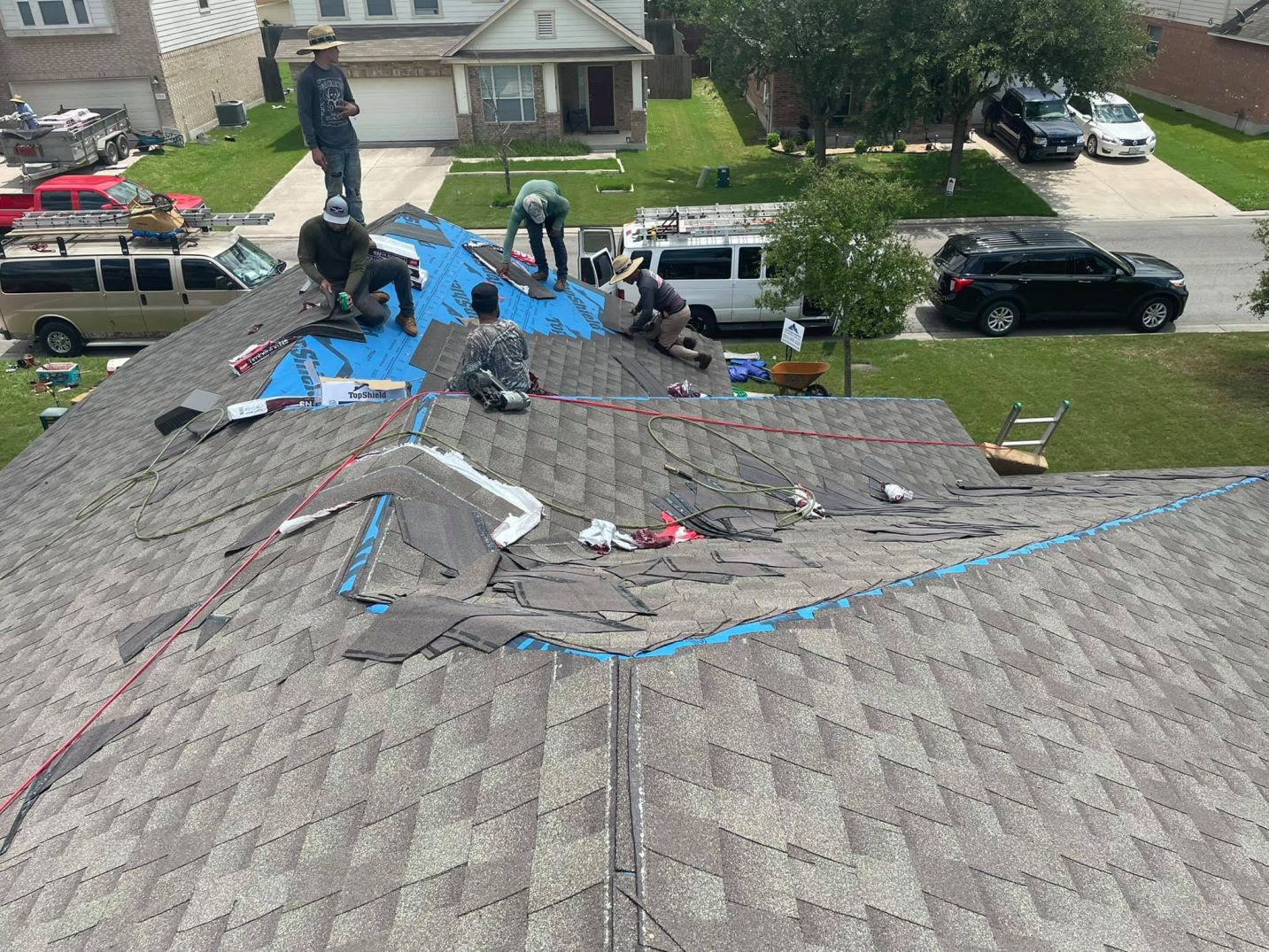
Skip to content
When a roof starts showing its age, many homeowners wonder whether they really need to remove the existing shingles before installing a new roof. In some cases, a contractor may be able to install new shingles over an existing layer. This approach is often called a roof overlay, reroofing, or shingling over existing shingles.
However, putting a new roof over an old roof is not always the right solution.
The condition of the existing shingles, the number of layers already on the roof, the roof’s surface, the condition of the underlying deck, manufacturer requirements, and local building codes all need to be considered before deciding whether an overlay is appropriate.
Can You Put New Shingles Over Old Ones?
Yes, new shingles can sometimes be installed over an existing layer of asphalt shingles, but the existing roof must meet certain conditions.
A roof overlay is generally considered when the existing shingles are relatively flat and secure, the roof has only one existing layer, and there are no known problems that require the old roofing to be removed first.
The existing roof also needs to provide a suitable surface for the new shingles. Local building requirements and the installation instructions for the new roofing product must also allow the installation.
That means the answer isn’t simply “yes” or “no.”
A roof that looks acceptable from the ground may still have problems underneath the shingles. A professional evaluation can help determine whether the roof is a reasonable candidate for an overlay or whether a full roof replacement would be more appropriate.
When Can You Shingle Over Existing Shingles?
Installing new shingles over existing shingles may be considered when the current roof is in relatively good condition and meets the requirements for a reroofing installation.
Some of the factors a roofing contractor may consider include:
- The existing roof has only one layer of shingles.
- The existing shingles are reasonably flat rather than heavily curled or buckled.
- The roofing surface is stable enough to support the new installation.
- There are no significant signs of moisture intrusion or widespread deterioration.
- The roof deck is not known to have major damage.
- The new shingles can be installed correctly over the existing surface.
- Local building codes permit another layer.
- The roofing manufacturer allows the proposed installation.
The existing roof should also be checked for areas that could interfere with the new installation, such as loose shingles, exposed fasteners, damaged flashing, or other roofing defects.
An overlay is not simply a shortcut where new shingles are placed on top of everything that is already there. The existing roof still needs to be suitable for the new roofing system.
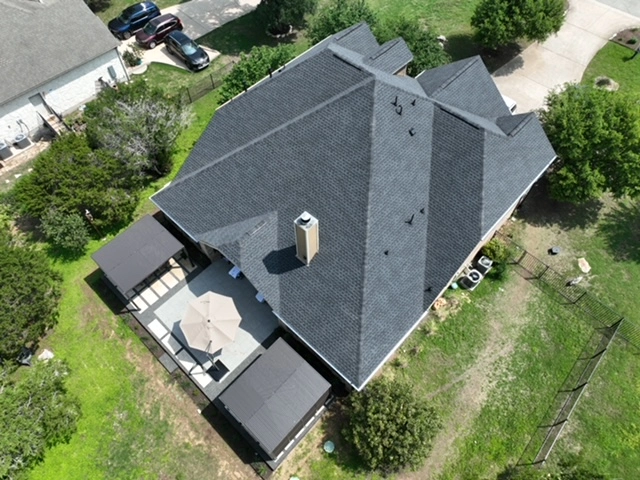
When Should the Old Roof Be Stripped Before Replacement?
There are many situations where removing the old shingles is the more appropriate approach.
A full tear-off is generally worth considering when the existing roof has widespread damage, significant deterioration, recurring leaks, or other problems that need to be investigated.
Removing the old roofing also gives the contractor greater visibility into the roof deck. Once the shingles and underlayment are removed, damaged or deteriorated decking can be identified and repaired before the new roofing system is installed.
A tear-off may be necessary when:
- The roof already has multiple layers.
- Shingles are badly curled, buckled, cracked, or deteriorated.
- There are widespread leaks.
- The roof deck may be damaged.
- Moisture has affected areas beneath the shingles.
- The existing roof is uneven.
- Flashing needs substantial replacement or modification.
- The roof has significant storm damage.
- The existing roofing system is near the end of its service life.
- An overlay would not meet the applicable code or manufacturer requirements.
This is one reason two roofs that look similar from the outside can require completely different replacement approaches.
What Happens When You Put New Shingles Over Old Ones?
With a roof overlay, the existing shingles remain in place and a new layer of shingles is installed over them.
This can reduce some of the labor involved in removing and disposing of the old roofing materials. However, it also means much of the existing roof assembly remains underneath the new shingles.
The contractor still needs to prepare the roof surface properly and make sure the new shingles can be installed according to the applicable requirements.
The important point is that a new layer of shingles does not automatically correct problems that already exist beneath the old roof.
For example, if the underlying roof deck has moisture damage or an existing leak is coming from deteriorated flashing, simply adding another layer of shingles may not address the underlying cause.
Problems With Putting New Shingles Over Old Shingles
A roof overlay can work in the right circumstances, but homeowners should understand the limitations before choosing one.
Hidden Roof Deck Problems
One of the biggest limitations of leaving the old shingles in place is that the roof deck remains largely concealed.
If the deck has rot, moisture damage, deterioration, or other problems, those conditions may be harder to identify without removing the existing roof covering.
A full tear-off provides an opportunity to inspect the deck directly and replace damaged sections when necessary.
Existing Leaks May Remain
If the real problem is coming from flashing, penetrations, or another part of the roofing system, adding another layer may not solve the issue. In some situations, a professional roof repair may be more appropriate.
Water can enter through flashing, penetrations, valleys, skylights, chimneys, or other parts of the roofing system. If the real problem is underneath the existing shingles or around another roofing component, an additional shingle layer may not solve it.
This is particularly important when the roof has a history of recurring leaks.
Uneven Roofing Surfaces
Old shingles that are badly curled, buckled, or uneven can create problems for a new shingle installation.
The new roofing material needs an appropriate surface. Installing over a deteriorated or irregular roof can affect the appearance and performance of the finished system.
Additional Roof Weight
Adding another layer of shingles adds material to the roof assembly.
This is one reason the condition of the existing roof and the number of existing layers matter when evaluating whether another layer is appropriate.
Flashing Can Still Be a Problem
Roofing is more than the shingles covering the main roof surface.
Flashing around walls, chimneys, valleys, vents, skylights, and other transitions helps control water. During a full tear-off, contractors have greater access to these areas and may be able to replace or modify flashing as part of the project.
An overlay can limit that access depending on the design and condition of the existing system.
Manufacturer Requirements
Roofing products come with installation requirements that need to be followed.
The manufacturer may specify requirements for installation over an existing shingle layer, including conditions for the existing roof and how the new shingles should be installed.
Homeowners should not assume that every shingle product can be installed over every existing roof.
Local Building Codes
Building-code requirements vary by jurisdiction.
Some areas allow a second layer of asphalt shingles under specific conditions, while other situations may require removal of the existing roofing.
Before choosing an overlay, the applicable local requirements should be verified for the property.
Roof Overlay vs. Full Tear-Off
Both approaches can have a place in residential roofing, depending on the condition of the existing roof.
| Feature | Roof Overlay | Full Tear-Off |
| Existing shingles removed | No | Yes |
| Roof deck exposed | Usually no | Yes |
| Underlying problems easier to identify | Limited | Yes |
| Tear-off and disposal work | Reduced | Required |
| Opportunity to repair damaged decking | Limited | Yes |
| Existing roofing remains underneath | Yes | No |
| Suitable for every roof | No | No |
An overlay can reduce some of the work associated with removing the old shingles, but a full tear-off provides much greater access to the underlying roof assembly.
The right choice depends on the condition of the individual roof.
How to Reroof a House Over Existing Shingles
Homeowners often search for instructions on how to shingle over shingles, but reroofing is not simply a matter of placing new shingles over the old ones.
The professional process generally begins with evaluating the existing roof to determine whether an overlay is appropriate.
The contractor then considers the number of existing layers, the condition of the shingles, the roof surface, flashing, penetrations, and other visible components. Applicable code requirements and the installation instructions for the new roofing product also need to be considered.
If the existing roof qualifies for an overlay, unsuitable or loose materials may need to be addressed and the surface prepared before the new shingles are installed.
The new shingles are then installed according to the manufacturer’s requirements, including the appropriate pattern, fastening, weather exposure, and treatment of roof edges and other details.
Because roofing involves work at height and requires proper installation techniques, homeowners should generally have this work performed by a qualified roofing professional rather than treating it as a simple DIY project.
Do Roofers Take Off Old Shingles First?
Not always.
Some roofing projects are completed using an overlay when the existing roof meets the necessary conditions. In other projects, the old shingles are removed before the new roofing system is installed.
Roofers are more likely to recommend a full tear-off when the existing roof has significant deterioration, multiple layers, suspected deck problems, recurring leaks, or other conditions that need to be exposed and addressed.
A professional recommendation should be based on the actual condition of the roof rather than automatically choosing one approach for every homeowner.
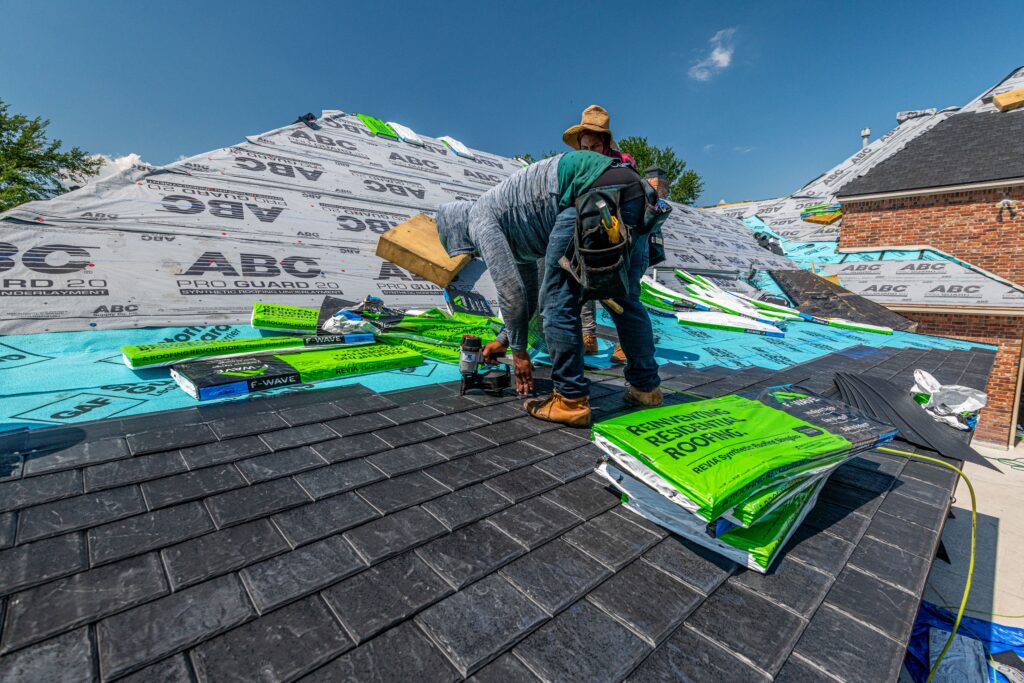
How Much Does It Cost to Reshingle a Roof?
The cost to reshingle a roof can vary significantly depending on the property and the roofing system.
An overlay may reduce some labor and disposal costs because the existing shingles are not removed. However, that does not mean an overlay is always the least expensive option overall.
Project cost can be affected by:
- Roof size
- Roof pitch
- Roof design and complexity
- Existing shingle condition
- Number of existing layers
- Roofing material
- Flashing requirements
- Roof penetrations
- Ventilation
- Decking repairs
- Accessibility
- Tear-off and disposal requirements
For example, a simple roof with one suitable shingle layer may be very different from a roof with multiple layers, damaged decking, several valleys, chimneys, skylights, and other architectural features.
The best way to understand the cost is to evaluate the actual roofing system and determine what work it needs.
Can You Put Architectural Shingles Over Existing Shingles?
Architectural shingles can sometimes be installed over an existing shingle layer, but the same basic conditions still apply.
The existing roof needs to provide a suitable surface, and the installation must meet applicable code and manufacturer requirements.
The type of existing shingle also matters. A contractor should evaluate whether the current roof is flat and secure enough for the proposed new shingles rather than assuming that one shingle type can simply be installed over another.
If the existing roof is badly curled, uneven, or damaged, a full tear-off may be more appropriate.
What About Roof Decking Under Old Shingles?
The roof deck is the structural surface underneath the roofing materials. It plays an important role in supporting the roof system and providing the base for the underlayment and shingles.
One limitation of a roof overlay is that the existing shingles remain in place, which means the deck is not fully exposed during the reroofing process.
If there is a concern about moisture, rot, deterioration, or other deck damage, removing the existing shingles can provide a better opportunity to inspect the surface and address problems before installing the new roof.
This is one of the reasons a roof replacement decision should not be based only on how the shingles look from the ground.
How Many Layers of Shingles Can a Roof Have?
There is no single nationwide answer that applies to every property.
The number of roofing layers permitted can depend on the building code enforced in the local jurisdiction, the existing roof condition, and the requirements associated with the new roofing product.
In many jurisdictions, a second layer may be permitted under certain circumstances, while additional layers may not be allowed.
Homeowners should verify the requirements that apply to their property rather than assuming that adding another layer is automatically permitted.
How Austin’s Climate Can Affect the Decision
Even though this article applies to homeowners across the United States, climate is an important consideration when deciding how to replace a roof.
Hot climates can expose shingles and other roofing components to repeated heat cycles and UV exposure. Areas that regularly experience hail, strong winds, heavy rainfall, snow, ice, or freeze-thaw cycles can place different stresses on roofing systems.
The important point is that the decision should account for the actual environment where the home is located.
A roof in a region with frequent severe weather may need to be evaluated differently from a roof in an area with a milder climate.
Is a Roof Overlay a Good Option for Your Home?
A roof overlay can be a reasonable option when the existing roof is suitable, but it should not be treated as a universal replacement method.
A homeowner considering an overlay should look at five basic factors:
The condition of the existing shingles.
Badly deteriorated or uneven shingles can make an overlay unsuitable.
The number of existing layers.
A roof with multiple layers may need a different approach.
The condition of the underlying roof.
If the deck or other components may be damaged, access to those areas becomes important.
Local requirements.
Building codes vary between jurisdictions.
The new roofing product’s requirements.
The manufacturer may have specific instructions or limitations for installation over an existing roof.
The goal is not simply to find the fastest way to cover an old roof. It is to choose an installation method that gives the property an appropriate roofing system for its current condition.
How Altitude Roofing Evaluates an Existing Roof
Before recommending a repair, overlay, or full roof replacement, it is important to understand what is actually happening with the existing system.
Altitude Roofing starts with a free roof evaluation call to learn more about the property and the homeowner’s concerns. When an onsite assessment is needed, the roofing system can be evaluated based on its condition, visible damage, previous repairs, roofing materials, and other relevant components.
Any applicable inspection fee is explained before scheduling and is waived when the homeowner proceeds with the recommended roofing work.
After the evaluation, Altitude Roofing can provide a detailed recommendation and written proposal based on the actual condition of the roof.
Final Takeaway
Putting new shingles over an old roof can be possible, but it is not a decision that should be made based only on saving the cost of removing the existing shingles.
A suitable roof overlay requires the existing roof to be in the right condition, have an appropriate number of layers, meet applicable building requirements, and provide a suitable base for the new roofing material.
When the roof has widespread damage, recurring leaks, multiple layers, or suspected problems underneath the shingles, a full tear-off may provide a better opportunity to inspect and repair the underlying roofing system.
Before deciding how to reroof a house over existing shingles, have the roof evaluated and compare the options based on its actual condition.
Altitude Roofing can review your roofing concerns, determine whether an onsite assessment is needed, and provide a clear recommendation based on your existing roof. View Altitude Roofing on Neustar Localeze
Frequently Asked Questions
Can you put a new roof over an old roof?
Sometimes. A new roof can potentially be installed over an existing layer of shingles when the existing roof is suitable, local requirements allow it, and the new roofing product can be installed according to manufacturer requirements.
Can you put new shingles over old ones?
Yes, in some situations. The existing shingles need to meet the conditions required for an overlay, and the roof should not have underlying problems that require removal of the old roofing.
Can you shingle over existing shingles?
Yes, a second layer of shingles may be possible on some roofs. However, the condition of the existing roof, number of layers, local building requirements, and roofing-product requirements all need to be considered.
Do roofers take off old shingles first?
Not always. Some roofs may qualify for an overlay, while others need a full tear-off so the underlying roof deck and other components can be inspected and repaired.
Should an old roof be stripped before replacement?
It depends on the condition of the existing roof. A full tear-off is often appropriate when there are multiple layers, widespread deterioration, recurring leaks, suspected decking damage, or other problems that need to be addressed underneath the shingles.
How to shingle over shingles?
A professional reroofing project starts by determining whether the existing roof qualifies for an overlay. The contractor then prepares the existing surface and installs the new shingles according to applicable code and manufacturer requirements.
How much does it cost to reshingle a roof?
The cost varies according to roof size, design, material, existing condition, labor, tear-off requirements, decking, flashing, accessibility, and other project factors. An overlay may reduce some removal and disposal work, but the total cost still depends on the individual property.
Can you install architectural shingles over old shingles?
The type of existing shingle also matters, so homeowners considering new shingle roofing should have the existing roof evaluated first.
Will putting new shingles over old ones fix a leaking roof?
Not necessarily. A leak may come from flashing, roof penetrations, valleys, skylights, chimneys, decking, or another part of the roofing system. Adding a new shingle layer does not automatically correct an underlying leak.
Is a roof overlay better than a full replacement?
Neither method is automatically right for every home. An overlay may work when an existing roof is suitable, while a full tear-off may be more appropriate when the roof has significant deterioration or underlying problems that need to be exposed.