 Skip to content
Austin Metal Roofing Expert
Commercial Roofing in Austin, TX
A commercial roof has a different job than a typical residential roof. It protects a building, equipment, inventory, employees, tenants, and day-to-day operations. When a commercial roof develops a leak or reaches the end of its useful life, the right solution needs to account for the building, the roofing system, the condition of the existing roof, and the practical requirements of the property.
Altitude Roofing provides commercial roofing in Austin, TX for businesses, property owners, property managers, and other customers responsible for maintaining commercial properties. Our team evaluates the existing roofing system and helps determine whether the property needs repair, replacement, inspection, maintenance, or another roofing solution.
Altitude Roofing is a family-owned roofing company based in Austin with more than 20 years of Central Texas roofing experience. The company is GAF Master Elite certified, fully insured, and provides both residential and commercial roofing services.
Get Your Free Roof Evaluation
Please fill out the form below to schedule your roof Evaluation. Our team will contact you within 24 hours to confirm the details.
- Starts with a 15-minute call with a roofing specialist.
Commercial Roofing Services in Austin
Commercial roofing problems can range from a small leak around a penetration to widespread deterioration across a large roof area. Not every problem requires a complete replacement.
Altitude Roofing can evaluate the condition of the roof and recommend the appropriate scope of work.
Commercial Roof Repair
Commercial roof damage does not always mean the entire roofing system needs to be replaced. Localized problems may be repairable when the surrounding system remains in usable condition.
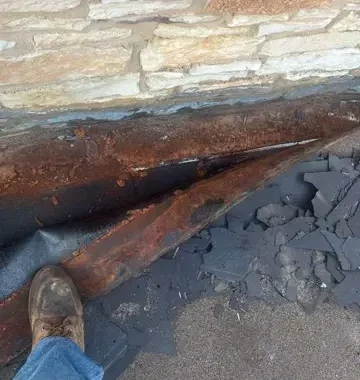
Commercial roof repair may involve damaged roofing materials, flashing, transitions, penetrations, or other areas where water or weather has affected the roof.
The first step is identifying the source of the problem rather than simply covering the visible damage. A professional evaluation can help determine whether a targeted repair is appropriate or whether the condition is more widespread.

Commercial Roof Replacement
When a commercial roofing system has extensive deterioration, recurring problems, or reached the end of its useful service life, replacement may make more sense than continuing with repeated repairs.
A commercial roof replacement requires planning around the building, roof size, existing materials, access, occupants, equipment, and other site conditions.
Altitude Roofing evaluates the existing system before developing a replacement recommendation and written proposal. The goal is to define what the property actually needs rather than recommending replacement based on age alone.

Commercial Roof Inspections
A commercial roof inspection can help property owners and managers understand the current condition of their roofing system and identify problems that may not be obvious from the ground. An inspection may be appropriate when a building has a suspected leak, has recently experienced hail or wind, has an aging roof, or has recurring maintenance concerns.
It can also be useful when planning a future roof replacement or evaluating the condition of a property before making a major roofing decision.
Altitude Roofing evaluates the roof and explains the conditions found, then recommends the appropriate next step based on the property’s needs.

Commercial Roof Leak Repair
A leak in a commercial building can become disruptive quickly, especially when water reaches office areas, inventory, equipment, ceilings, insulation, or electrical components.
The location where water appears inside the building is not always the location where it entered the roof. Water can move through roofing materials and other components before becoming visible.
Altitude Roofing investigates potential sources of commercial roof leaks and evaluates the surrounding roof system before recommending a repair.

Commercial Roof Maintenance
Routine maintenance can help property owners identify roofing problems before they become larger and more expensive issues.
A commercial maintenance program can be useful for monitoring:
- Flashing and roof transitions
- Roof penetrations
- Drainage areas
- Visible membrane or panel conditions
- Deteriorated sealants
- Areas with recurring leaks
- Storm-related damage
- Other conditions that may affect the roof’s performance
Maintenance requirements depend on the roofing system and property. Altitude Roofing can evaluate the existing roof and discuss what type of ongoing attention may be appropriate.

Commercial Storm and Hail Damage
Severe weather can damage commercial roofing systems through hail, high winds, fallen debris, displaced materials, and damage around flashing or penetrations.
Some storm damage is immediately visible. Other problems may not become apparent until a leak or other symptom develops.
Altitude Roofing can evaluate a commercial roof after a storm and document the condition of affected areas. For insurance-related projects, Edwin Nichols holds an all-lines insurance adjuster license earned in 2006 and follows HAAG Engineering hail and windstorm inspection methods.
Insurance coverage and claim decisions depend on the property’s policy, carrier, and circumstances of the loss.
Commercial Roofing for Different Types of Properties
Commercial roofing needs can vary significantly based on the building itself.
Office Buildings
Office properties may need roofing work planned around employees, tenants, building access, parking areas, mechanical equipment, and normal business operations.
The roofing plan should consider both the condition of the roof and how the work will affect the property while the project is underway.
Retail Properties
Retail buildings can have large roof areas, rooftop equipment, customer traffic, delivery areas, and operating-hour considerations.
Commercial roofing work should be planned so the roofing scope and site logistics are clearly understood before installation begins.
Multifamily Properties
Apartments, condominiums, townhomes, and other multi-unit properties require additional planning because multiple buildings, residents, common areas, and property managers may be involved.
Warehouses and Industrial Properties
Large commercial buildings can present different requirements because of roof size, access, equipment, drainage, and the need to protect stored materials and ongoing operations.
A property-specific assessment helps determine the appropriate approach.
Altitude Roofing provides multifamily roofing services in Austin, including installation, repairs, replacements, inspections, and maintenance for apartment communities, condos, townhomes, and other multi-unit properties.
Commercial Roofing Materials and Systems
Commercial buildings use different roofing systems depending on roof slope, building design, drainage requirements, rooftop equipment, and the property’s maintenance needs. Flat and low-slope roofing systems are common on many commercial properties, while metal and tile roofing may be suitable for buildings with different architectural designs.
Altitude Roofing provides commercial roofing evaluations and repairs across different roofing systems in Austin, TX. We assess the existing roof, identify the problem, and recommend an appropriate solution based on the system’s material, condition, and project requirements.
Commercial Flat and Low-Slope Roofing
Flat and low-slope roofs require careful attention to drainage, seams, flashing, penetrations, and areas surrounding rooftop equipment. Problems in these areas can allow water to enter the building and potentially affect ceilings, insulation, equipment, inventory, and interior spaces.
Altitude Roofing can evaluate and repair commercial flat roofs based on the existing roofing system and the source of the damage. Whether the property has a membrane roof or another low-slope roofing assembly, the repair approach should address the actual problem rather than simply cover the visible symptoms.
TPO Roofing
Thermoplastic polyolefin (TPO) is a single-ply roofing membrane used on many commercial buildings. TPO roofs often have a white surface, and their performance depends on properly installed seams, flashing, penetrations, and other roof details.
Damage can occur around seams, rooftop equipment, drains, or areas exposed to repeated weather conditions. Altitude Roofing can evaluate TPO roofing problems and recommend appropriate repairs based on the membrane’s condition and the extent of the damage.
EPDM Roofing
EPDM is a synthetic rubber roofing membrane used on commercial and low-slope roofs. Like other membrane systems, it can develop problems involving seams, flashing, penetrations, and areas where the membrane has deteriorated or been damaged.
When an EPDM roof develops a leak, identifying the source is an important first step. Altitude Roofing can assess the affected areas and determine whether a localized repair is appropriate or whether more extensive roofing work should be considered.
PVC Roofing
Polyvinyl chloride (PVC) roofing is another single-ply membrane system used on commercial buildings. The condition of its seams, flashing, penetrations, and connections with rooftop equipment can affect the roof’s ability to manage water.
Altitude Roofing can evaluate damaged PVC roofing and recommend repair options based on the condition of the membrane and surrounding components.
Modified Bitumen Roofing
Modified bitumen roofing is an asphalt-based system commonly used on flat and low-slope buildings. Over time, weather exposure, damaged seams, deteriorated flashing, and other conditions can contribute to leaks or surface damage.
Altitude Roofing can inspect a modified bitumen roof to identify the source of the problem and determine whether localized repairs or more extensive work are needed.
Built-Up Roofing (BUR)
Built-up roofing uses multiple layers of roofing materials to form a protective roof assembly. Existing systems may have different surface finishes and construction details, so repairs need to be appropriate for the roof’s particular design and condition.
Altitude Roofing can assess visible deterioration, leaks, flashing problems, and other concerns affecting a built-up commercial roof and recommend the appropriate next step.
Commercial Metal Roofing
Metal roofing can be suitable for commercial buildings where the roof design and material specifications support its use. Commercial metal roofs may develop issues involving panels, seams, fasteners, flashing, trim, or connections around rooftop equipment.
Altitude Roofing can evaluate these components and recommend repairs based on the metal roofing system and the extent of the damage.
Commercial Roof Replacement Planning
Commercial roof replacement requires more planning than simply removing an old roof and installing a new one.
Before work begins, property owners and managers may need to consider:
Existing Roof Condition
The existing roofing system should be evaluated to identify deterioration, damaged areas, flashing problems, drainage concerns, and other conditions that could affect the project.
Roof Deck and Supporting Components
The visible roofing surface is only one part of the building’s roof assembly. Conditions beneath the existing roof can affect the scope of replacement work.
Rooftop Equipment
Commercial properties may have HVAC equipment, vents, pipes, skylights, and other penetrations that need to be considered during the roofing project.
Access and Site Logistics
Equipment, material deliveries, parking, tenant access, and employee or customer movement can all affect how commercial roofing work is scheduled.
Project Phasing
Larger or occupied properties may benefit from a project plan that divides the work into manageable phases.
Written Scope
A detailed written proposal helps property owners understand the work being recommended and compare commercial roofing proposals more accurately.
Commercial Roof Inspections After Storms
A storm inspection is useful even when a commercial roof does not appear seriously damaged from the ground.
Hail and wind can affect roofing materials, flashing, penetrations, edges, and other components in ways that may not be obvious immediately.
After a significant storm, a professional evaluation can help establish the condition of the roof and identify areas that should be monitored or repaired.
For insurance-related situations, documentation can help the property owner understand what was observed and discuss the condition with the insurance carrier. Coverage remains dependent on the applicable policy and claim circumstances.
What Does Commercial Roofing Cost in Austin?
Commercial roofing costs vary substantially from one property to another. There is no useful universal price for a commercial roof because project costs can be affected by:
Total roof area
Roof condition
Roof deck condition
Material selection
Installation conditions
Project phasing
Accessibility
Existing roofing system
Drainage and penetration details
Tear-off and disposal requirements
Necessary repairs discovered during the project
Flashing and transition requirements
Roof layout and complexity
A large, simple roof and a smaller but highly complicated roof can have very different project costs. Altitude Roofing evaluates the existing system and provides a written recommendation and proposal based on the actual property and scope of work.
How the Commercial Roofing Process Works
Commercial roofing projects are easier to manage when everyone understands what happens before work begins.
Step 1
Discuss the Property
We start by learning about the building, the roofing concern, the type of property, and the goals of the project.
Step 2
Evaluate the Existing Roof
When an onsite assessment is appropriate, we evaluate the roofing system and identify visible conditions that may affect the work.
Step 3
Determine Repair or Replacement Options
Based on the condition of the roof, we explain whether repair, maintenance, replacement, or another approach should be considered.
Step 4
Provide a Written Recommendation and Proposal
The recommended scope is documented so the property owner or manager can understand what the work involves before making a decision.
Step 5
Plan the Roofing Work
For commercial projects, scheduling, building access, occupants, equipment, deliveries, parking, and other site considerations may need to be coordinated before work begins.
Step 6
Complete the Roofing Project
Our in-house crews perform the agreed-upon roofing work rather than handing the project to unknown third-party subcontractors. Altitude Roofing identifies its own crews as part of its broader roofing operation.
Step 7
Final Review
After the project is completed, the finished work is reviewed and applicable project documentation and warranty information are provided.
Choosing a Commercial Roofing Contractor in Austin
Hiring a commercial roofer should involve more than comparing the lowest number on a proposal.
Property owners and managers should understand who will perform the work, what the proposal includes, how the existing roof will be evaluated, and how the project will be managed.
Look for Relevant Roofing Experience
A contractor should understand commercial roofing systems and the differences between repair, maintenance, restoration, and complete replacement.
Ask Who Performs the Work
It is reasonable to ask whether roofing work is handled by the contractor’s own crews or outsourced to third-party labor.
Get the Scope in Writing
A commercial roofing proposal should clearly explain the work being recommended and the components included in the project.
Understand the Roofing System
The proposal should identify the roofing system and relevant materials, rather than simply describing the project as a generic “new roof.”
Ask About Existing Conditions
Find out how the contractor handles damaged decking, flashing, penetrations, drainage issues, and other conditions discovered during the project.
Why Choose Altitude Roofing for Commercial Roofing?
Altitude Roofing approaches commercial roofing around the condition of the property and the requirements of the project.
GAF Master Elite Certified
Altitude Roofing holds GAF Master Elite certification.
20+ Years of Central Texas Experience
The company has more than 20 years of roofing experience in Central Texas.
In-House Roofing Crews
Roofing projects are handled by the company's own crews rather than outsourced third-party labor.
Family-Owned and Local
Altitude Roofing is a family-owned roofing company based in Austin and serves both residential and commercial customers across Central Texas.
Written Recommendations
We provide written recommendations and proposals so property owners understand the recommended scope before work begins.
Multifamily Experience
Altitude Roofing provides installation, repair, replacement, inspection, and maintenance services for multifamily properties.
Serving Austin and Central Texas
Altitude Roofing is headquartered in Austin and provides roofing services throughout Austin and surrounding Central Texas communities. The company also serves multifamily properties and commercial customers in the region.
Commercial roofing service areas may include Austin, Dripping Springs, Driftwood, Lakeway, Bee Cave, Buda, San Marcos, Kyle, Round Rock, Cedar Park, Georgetown, New Braunfels, and surrounding communities, depending on project scope and location.
Frequently Asked Questions About Commercial Roofing in Austin
What commercial roofing services does Altitude Roofing provide in Austin?
Altitude Roofing provides commercial roofing services including roof installation, repair, replacement, inspection, and maintenance. Commercial project availability depends on the property, roofing system, and project requirements. Altitude also provides multifamily roofing services.
Who provides commercial roof repair in Austin?
Altitude Roofing provides commercial roof repair in Austin and can evaluate leaks, damaged roofing components, flashing, penetrations, and other roofing concerns to determine the appropriate repair.
Who replaces commercial roofs in Austin?
Altitude Roofing provides commercial roof replacement services for properties that need a new roofing system. The existing roof is evaluated before a replacement scope and written proposal are provided.
How do I know whether my commercial roof needs repair or replacement?
The decision depends on the extent of damage, the age and condition of the roofing system, recurring problems, and the expected value of continued repairs. A professional assessment can help determine which option makes more sense for the property.
Does Altitude Roofing inspect commercial roofs after hail or wind storms?
Yes. Altitude Roofing can evaluate storm-related roofing conditions. Owner Edwin Nichols holds an all-lines insurance adjuster license and follows HAAG Engineering hail and windstorm inspection methods.
Does Altitude Roofing work with property managers?
Yes. Commercial and multifamily roofing projects may involve property owners, managers, HOAs, and other decision-makers. The appropriate project process depends on the property and scope of work.
Does Altitude Roofing provide multifamily roofing in Austin?
Yes. Altitude Roofing provides multifamily roof installation, repair, replacement, inspection, and maintenance services for apartments, condominiums, townhomes, and other multi-unit properties.
Does Altitude Roofing provide commercial metal roofing?
Altitude Roofing provides metal roofing services and evaluates each roofing project based on the property and system requirements. For a commercial project, the appropriate metal system should be discussed with the roofing team before the project is scoped.
Does Altitude Roofing provide commercial tile roofing?
Tile roofing may be considered for commercial properties where the structure, architecture, and project requirements make it appropriate. The property should be evaluated before a tile system is selected.
How much does commercial roof replacement cost in Austin?
Commercial roof replacement costs vary based on roof size, complexity, existing conditions, material selection, accessibility, flashing, drainage, tear-off, and other project requirements. A property-specific proposal is more useful than a generic price range.
How long does a commercial roof last?
Service life depends on the roofing material, installation, maintenance, environmental exposure, roof design, and other factors. The expected service life should be discussed based on the specific roofing system rather than using one number for every commercial roof.
Can Altitude Roofing repair a commercial roof leak?
Yes. We can evaluate the likely source of a leak and inspect surrounding roofing components before recommending the appropriate repair.
Do commercial roofing projects require maintenance?
Regular maintenance can help identify developing problems and keep track of the condition of the roofing system. The appropriate maintenance schedule depends on the roof type, property, environment, and manufacturer’s requirements.
Can Altitude Roofing help with storm-damaged commercial roofs and insurance documentation?
Altitude Roofing can evaluate and document storm-related roofing conditions. Edwin Nichols holds an all-lines insurance adjuster license and follows HAAG Engineering hail and windstorm inspection methods. Insurance coverage and claim decisions remain subject to the property’s policy and circumstances of the loss.
What should I look for when choosing a commercial roofing contractor in Austin?
Look for relevant roofing experience, qualified crews, clear written proposals, appropriate insurance, knowledge of the roofing system being proposed, and a process that evaluates the complete roof rather than focusing only on visible damage.
Start With a Commercial Roof Assessment
Whether you’re dealing with a commercial roof leak, storm damage, recurring repairs, an aging roofing system, or planning a future replacement, the first step is understanding the condition of the property.
Altitude Roofing can evaluate your commercial roofing needs and help determine the appropriate next step.