Skip to content
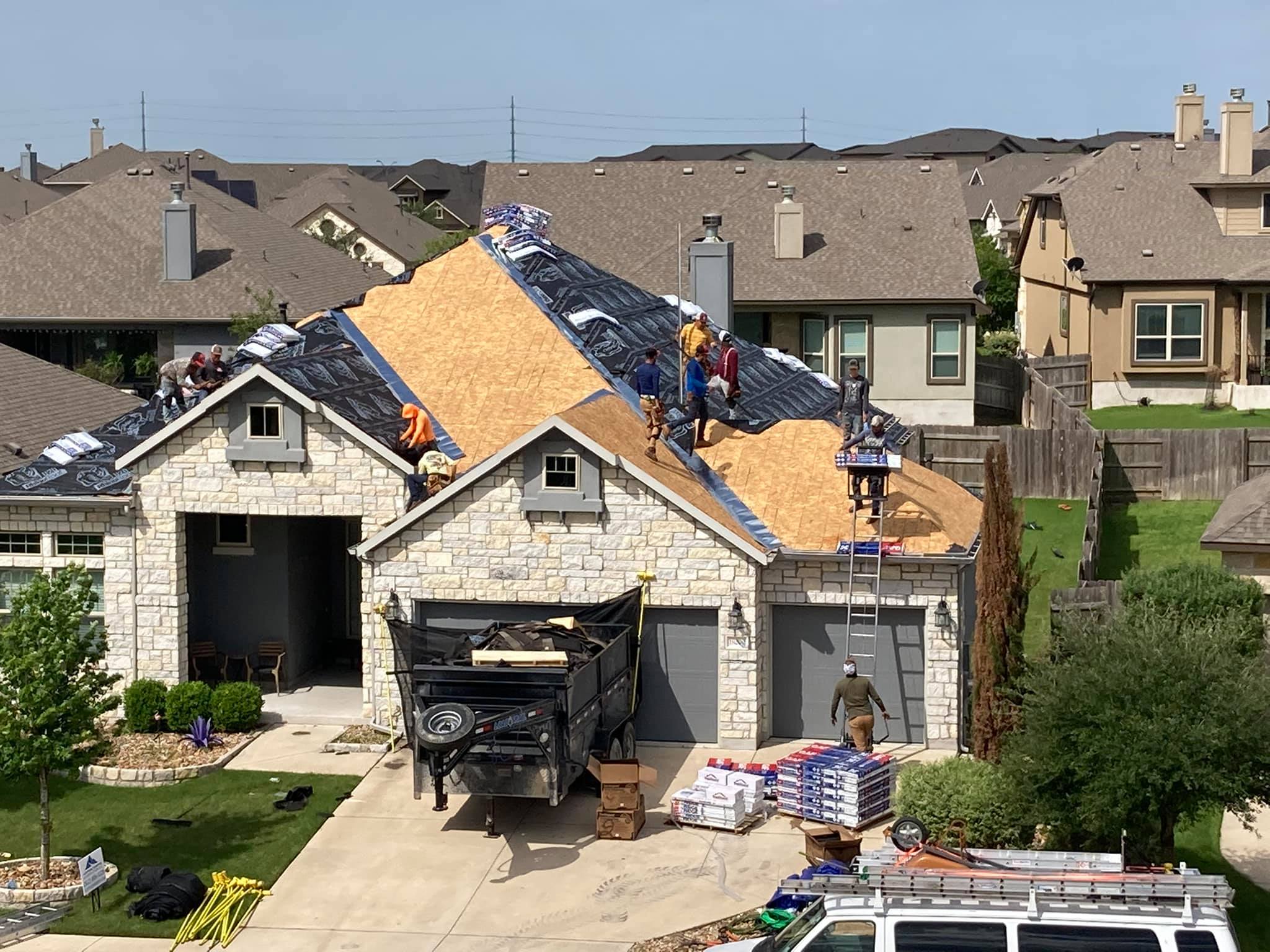
If you own a home in Austin, your roof takes a beating all year long. Brutal summer heat. Spring hailstorms. The occasional winter freeze. So it makes sense to ask – what is the best time for roof replacement in Austin? The short answer is fall. But the longer answer depends on your roof’s condition, your budget, and what season you’re heading into. This guide walks you through everything you need to know before you schedule that roof replacement in Austin, TX.
Why Austin’s Climate Makes Timing So Important
Austin isn’t like most cities. Our weather swings hard in both directions – triple-digit summers, hailstorms in spring, and cold snaps that catch homeowners off guard. That kind of climate puts more stress on roofing materials than many other parts of the country.
Asphalt shingles are the most common roofing material in Central Texas. They’re sensitive to extreme temperatures. Install them when it’s too hot, and they can soften and shift. Install them when it’s too cold, and the adhesive strips may not seal properly.
That’s why timing a new roof installation in Austin isn’t just about convenience. It actually affects how well your roof performs for the next 20 to 30 years.
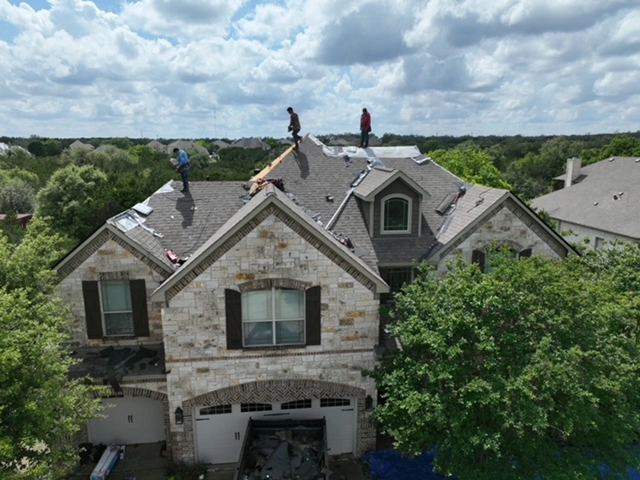
The Best Time for Roof Replacement in Austin: Season by Season
Fall (September–November) – The Clear #1 Choice
Fall is the best season for roof replacement in Austin. No debate here.
Temperatures drop into the 60s and 70s. Humidity goes down. There are fewer storms. Those are exactly the conditions that help asphalt shingles bond and seal correctly. October is often the single best month – mild, dry, and calm.
Getting your roof replaced in fall also means your home is fully protected before any winter weather arrives. And since it falls after the summer storm rush, you can usually get on a contractor’s schedule without a long wait.
One thing to keep in mind: fall is still a busy season. Book ahead. Don’t wait until September to start making calls.
Spring (March–May) – A Strong Second Option
Spring is the second-best window for roof replacement in Austin, TX. Temperatures are moderate, and crews can work efficiently without battling the summer heat.
The catch? Spring is also Austin’s peak hail season. After a major storm rolls through, every roofing company in the city gets flooded with calls at once. Scheduling gets tight. Prices can go up. Lead times stretch out.
If your roof is aging but not yet failing, try to schedule your spring replacement before storm season kicks in – ideally February or early March. That way you’re not competing with hundreds of storm-damage calls.
Summer (June–August) – Workable, But Not Ideal
Summer gets a bad reputation for roofing work, and honestly, some of it is deserved. Roof surface temperatures in Austin can hit 150°F or higher during July and August. That kind of heat softens shingles, slows down installation crews, and makes the work physically harder.
That said, plenty of residential roof replacements in Austin happen every summer. Experienced crews know how to work around the heat – starting early, managing material exposure, and monitoring weather windows.
The bigger issue in summer is demand. Storm damage from spring often carries over, and contractors stay slammed. If your roof isn’t in urgent need, summer isn’t your best bet.
Winter (December–February) – Austin’s Hidden Opportunity
Here’s something most homeowners don’t know: winter is often the easiest time to get on a roofer’s schedule in Austin – and sometimes the most affordable.
Austin winters are mild compared to most of the country. A lot of days in December and January are perfectly fine for roofing. The risk is cold snaps below 40°F, which can prevent the self-sealing adhesive on asphalt shingles from bonding correctly. A good contractor watches the forecast and schedules around the warmest, driest stretches.
If you’re flexible on timing and want the shortest wait and potentially lower costs, winter is worth considering.
Quick Seasonal Comparison
| Season | Conditions | Best For |
| Fall (Sep–Nov) | Mild, dry, low humidity | Best overall – plan ahead |
| Spring (Mar–May) | Moderate, storm risk | Good if booked early |
| Summer (Jun–Aug) | Hot, busy season | Urgent or insurance jobs |
| Winter (Dec–Feb) | Mild with cold snap risk | Budget-conscious planning |
Signs Your Roof Needs Replacement – Don’t Wait for the “Right” Season
Sometimes the best season for roof replacement isn’t a choice. Your roof makes that decision for you. Here are the signs that mean you need to act now, regardless of the calendar:
- Shingles curling, cracking, or going missing – Damaged shingles leave your decking wide open to moisture.
- Granules piling up in your gutters – Those sandy particles protect shingles from UV damage. When they wash away, the shingles aren’t far behind.
- Water stains on your ceilings – Even a small leak can lead to mold, rot, and structural damage if ignored.
- Your roof is 20+ years old – Most asphalt roofs in Central Texas last 20 to 30 years. After that, it’s borrowed time.
- Sagging areas anywhere on the roof – This often means the decking underneath has been compromised by moisture.
If you’re not sure what you’re dealing with, start with a roof inspection in Austin, TX. A professional inspection removes the guesswork and gives you a clear timeline for what needs to happen and when.
When You Can’t Wait: Emergency Roof Replacement in Austin
Hail doesn’t check your calendar. Neither does a wind-driven branch through your shingles.
If your roof is actively leaking or was damaged in a storm, when to replace a roof becomes simple: right now. Every rain event after damage makes the situation worse. Water gets into the decking. Mold starts growing. What could have been a straightforward replacement turns into a much bigger job.
A good roofing company can tarp and stabilize your roof quickly to protect your home while materials are ordered and a full replacement is planned. If the damage was caused by hail or wind, your homeowner’s insurance may cover the cost – and an experienced contractor can walk you through that process too.
If you’ve had repeated roof repairs in Austin, TX over the last few years, it’s worth asking whether you’ve crossed the line from “repair” to “replace.” At a certain point, patching costs more – and protects less – than a full replacement.
How to Plan Your Roof Replacement the Smart Way
Planning ahead gives you options. Waiting until you have no choice takes them away.
The smartest move is to schedule a professional inspection before storm season arrives. That gives you an honest picture of your roof’s condition and enough time to lock in a fall or early spring appointment before demand spikes. Most contractors book out four to eight weeks during busy periods. If you wait until after a major hailstorm, that wait can stretch to months. Here’s how long a roof replacement actually takes in Austin, from estimate to final inspection.
Think about your material choice too. Asphalt shingles need mild temperatures to seal correctly, so timing matters more with them. Metal roofing is far less temperature-sensitive and offers more scheduling flexibility year-round – plus it holds up better against Austin’s hail and UV exposure over time.
Finally, be cautious about out-of-state contractors who show up after storms. Stick with a locally established company that knows Austin’s climate, carries proper Texas licensing and insurance, and offers a solid workmanship warranty.
What to Look for in an Austin Roofing Contractor
Not all roofers are the same. A few things that matter:
- Local experience – Austin’s weather patterns are specific. You want someone who has replaced hundreds of roofs in Central Texas, not just passing through after a storm.
- Proper licensing and insurance – Non-negotiable. Ask for documentation before signing anything.
- Manufacturer certifications – Certifications from brands like GAF or Owens Corning mean the installer meets higher training standards.
- Strong local reviews – Look at Google, BBB, and Nextdoor. Recent reviews matter more than old ones.
- Clear warranty – You want coverage on both the materials and the workmanship.

Conclusion
The best time for roof replacement in Austin is fall – specifically September through November, with October being the sweet spot. Spring is a close second if you plan before storm season. Summer and winter are workable with the right contractor and the right forecast.
But here’s the real truth: the best time to replace your roof is before it fails. Waiting for the perfect season while ignoring warning signs almost always ends up costing more in the long run.
At Altitude Roofs, we help Austin homeowners make smart decisions about their roofs – whether that’s a full replacement, arepair, or just an honest inspection to know where you stand. We’re local, we know this climate, and we’ll tell you the truth about what your roof actually needs.
Ready to get started? Contact us today for a free estimate.
Frequently Asked Questions
What is the best month to replace a roof in Austin, TX?
October is the single best month for roof replacement in Austin. Temperatures are mild, humidity is low, and shingles seal correctly. You also get your home protected before any winter weather arrives.
Can a roof be replaced in winter in Austin?
Yes. Austin winters are mild enough for roofing on most dry days. The main risk is a cold snap below 40°F, which can prevent shingle adhesive from bonding. An experienced contractor monitors the forecast and schedules around warmer stretches.
Is summer a bad time for roof replacement in Austin, TX?
It’s not the worst option, but it’s not ideal either. Roof surface temps can exceed 150°F, which softens asphalt shingles and slows crews down. Summer is also Austin’s busiest season for roofers, so scheduling can be difficult and prices may be higher.
How do I know if I need a repair or a full replacement?
Age is the biggest factor. If your asphalt roof is 20+ years old and showing widespread shingle damage or granule loss, a full replacement usually makes more sense than repeated repairs. We walk through the full decision in our guide to roof repair vs. roof replacement for Austin homeowners.
Does timing my roof replacement affect my insurance claim?
If storm damage is involved, don’t wait – file your claim and get an inspection documented as quickly as possible. Insurance companies expect timely reporting. Delaying can complicate your claim, and more rain events after the damage can make it harder to prove what was storm-related versus pre-existing wear.