Skip to content
Your roof takes a beating in Austin. The sun bakes it all summer. Hail falls out of nowhere in spring. Wind storms roll through and rip at the edges. So when it’s time for a new one, you want a plan, not a guess.
That’s exactly what this guide gives you. We’ll walk through how to plan and budget for a new roof in Austin, step by step, in plain language. No jargon. No sales pitch. Just the numbers and choices that matter.
By the end, you’ll know what drives cost, what most homeowners forget to budget for, and how to avoid getting burned by a bad quote.
Why You Need a Real Plan Before You Budget for a New Roof in Austin
A roof is not a small purchase. For most homes in this area, it’s one of the biggest checks you’ll write in a decade. That’s reason enough to slow down and think it through.
Rushing this decision costs people money. They skip quotes. They pick the first contractor who calls. They forget line items until the invoice shows up. A little planning up front saves a lot of stress later.
Good planning also means picking a roof that fits Austin’s weather. Heat, hail, and wind are not the same everywhere. Your roofing material choice should reflect that.
Here’s what solid planning gets you:
- A roof that actually holds up against Central Texas heat and storms
- Lower cooling bills from smarter material choices
- Fewer repair calls down the road
- No mid-project sticker shock
Signs Your Austin Roof Needs Replacing, Not Just Patching
Before you plan and budget for a new roof in Austin, figure out if you even need one. Sometimes a repair does the job. Sometimes it’s time to start fresh.
Curling or buckling shingles are one clue. Years of triple-digit summers warp shingles until they lift and crack. Missing granules in your gutters are another sign. That grit protects your shingles from UV rays, and once it’s gone, the clock speeds up.
Frequent leaks after storms tell their own story too. If every spring shower means another repair call, your roof is asking for a bigger fix. Ceiling stains and attic moisture point to the same problem. And age matters. Most asphalt roofs in this region start wearing out around 18 to 22 years.
A simple rule many roofers use: if repairs would cost more than 30 to 40 percent of a full replacement, replace it instead. That math alone can settle the debate.

What Actually Drives the Cost of a New Roof in Austin
No two roofs cost the same. Size matters, obviously. But so does shape, pitch, and what materials you choose.
A simple, low-pitch roof on a single-story home costs far less per square foot than a steep, cut-up roof full of valleys and dormers. Steep pitches slow crews down and demand extra safety gear. That adds labor hours, and labor is already a big chunk of your bill.
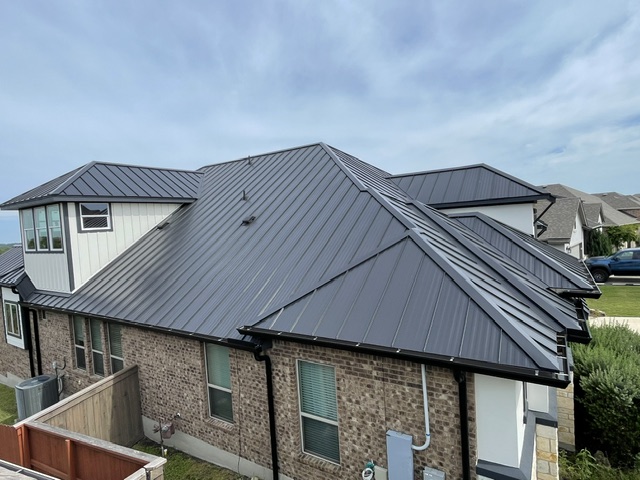
Material choice swings the price just as much. Basic asphalt shingles sit at the low end. Standing seam metal and clay tile sit much higher. Special features push costs up too. Skylights, chimneys, and multiple roof penetrations all need extra flashing and extra care.
Labor rates matter as well. Austin actually ranks among the priciest roofing markets in Texas, right alongside Dallas. High demand and a preference for premium materials both play a role here.
Typical Roof Replacement Costs in Austin
Here’s a rough breakdown for a typical 1,800 to 2,000 square foot home. These numbers shift with roof complexity, so treat them as a starting point, not gospel.
| Material | Estimated Total Cost |
| Basic asphalt shingles | $8,000 – $13,000 |
| Architectural shingles | $11,500 – $16,500 |
| Impact-resistant shingles | $15,000 – $20,000 |
| Standing seam metal | $16,000 – $25,000+ |
| Tile roofing | $16,000 – $30,000+ |
Architectural shingles remain the most common pick for Austin homes. They balance price and performance well, and they hold up decently against our summer heat and spring hail. Metal roofs cost more upfront but last 40 to 50 years and reflect heat, which can trim your AC bill.
If you want a deeper cost breakdown by square footage and material, our post on roof replacement costs in Austin covers pricing in more detail.
Hidden Costs Homeowners Often Forget
This is where a lot of budgets fall apart. People plan for shingles and stop there. But a roof replacement pulls in several other pieces.
Tear-off and disposal cost real money. Crews have to pull the old roof off, haul it away, and pay disposal fees. Expect $1.50 to $3.25 per square foot just for that step. Decking repair is another surprise. Once the old shingles come off, rot or old damage sometimes shows up underneath. That can add $1,200 to $4,500 to your total.
Flashing and underlayment upgrades matter too, especially here. Central Texas heat is brutal on materials, so better underlayment pays off over time. Gutters might need work as well, particularly on older homes with undersized systems.
If you have solar panels, budget for their removal and reinstallation. That’s a separate cost, usually $1,000 to $3,000, and it needs its own contractor.
Understanding Insurance and Storm Damage Claims
Not every roof replacement in Austin comes from old age. A lot come from hail or wind damage. That changes your math completely.
If your roof is simply worn out, you’re likely paying out of pocket. But if a specific storm caused the damage, your homeowners insurance may cover most of it, minus your deductible. That gap between paying it all yourself and paying a deductible can mean thousands of dollars.
Document any storm damage right away with photos. Review your policy before you call anyone. Know whether you have Actual Cash Value or Replacement Cost Value coverage, since that changes what you get paid. Watch out for contractors who promise to “cover your deductible.” That’s a red flag, and in Texas, it can be illegal.
A good roofer can meet your adjuster on-site and help make sure nothing gets missed in the inspection.
How to Get and Compare Contractor Quotes
Never settle for one quote. Get at least two or three from established local roofers, and read them carefully.
A solid quote should list the exact material and brand, not a vague description. It should spell out underlayment type, flashing plans, and how many layers of tear-off are involved. It should also mention warranty terms for both materials and labor.
Price matters, but it’s not everything. A workmanship warranty of five to ten years is a good baseline. Manufacturer certifications, like GAF Master Elite, signal real training and accountability. Check local reviews too. A contractor with years of history in Austin is safer than one that showed up after the last hailstorm and might vanish before your warranty means anything.
If a quote comes in far below the others, be careful. That gap usually means cutting corners somewhere.
Our team handles full residential roof replacement in Austin projects, and we’re happy to walk you through a written estimate line by line so you know exactly what you’re paying for.
Building Your Roof Budget Step by Step
Once you have quotes, put everything into one simple worksheet. This step turns vague numbers into a real plan.
List your base roof cost from the quote. Add likely decking repairs, even if they’re not confirmed yet. Add gutter work if it’s needed, and any flashing upgrades around skylights or chimneys. Then add a contingency of 10 to 15 percent on top of everything.
That contingency line matters more than people think. Contractors find surprises once the old roof comes off. Rotted decking. Bad ventilation. Old damage nobody saw. A buffer keeps those discoveries from wrecking your plan.
Avoid paying the full amount before work starts. A typical schedule involves a deposit, a progress payment, and a final payment after the job passes inspection.
Best Time of Year to Plan and Budget for a New Roof in Austin
Timing affects both price and quality. Many contractors prefer working between October and April, when temperatures are milder.
Hot Austin summers can make asphalt shingles too soft during installation. That affects how well they seal. Crews also move slower and less safely in extreme heat. Scheduling in the cooler months often means better pricing too, since demand drops outside of peak hail season.
That said, don’t wait around if your roof is actively leaking. Water damage spreads fast, and a small problem becomes a big one within weeks.
Protecting Your Investment After Installation
Your job isn’t done once the crew packs up. A few simple habits keep your new roof performing for decades.
Schedule an inspection every one to two years, and always after a major storm. Clean your gutters twice a year so water drains properly. Trim back branches that hang over your roofline, since they scrape shingles and drop debris.
Keep your paperwork somewhere safe. Contracts, warranties, and inspection reports all matter later, whether you’re filing an insurance claim or selling your home.
Conclusion
Learning how to plan and budget for a new roof in Austin doesn’t have to feel overwhelming. Start with an honest inspection, understand what drives your costs, and build in room for surprises. That’s really all it takes.
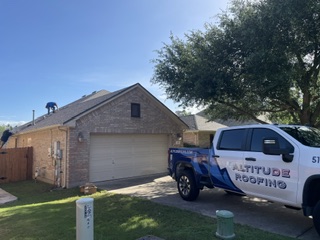
At Altitude Roofing, we help Austin homeowners plan and budget for a new roof with honest inspections and clear, detailed quotes. No pressure, no guesswork, just straight answers about what your roof actually needs.
FAQs About Planning and Budgeting for a New Roof in Austin
How far ahead should I start planning a roof replacement?
Start three to six months before you want the work done. This gives you time to gather quotes, review your insurance if needed, and schedule during a cooler month. Rushing usually means overpaying or picking the wrong contractor.
Does my specific Austin neighborhood change the cost much?
Not really. Materials and labor rates stay fairly steady across Austin, Round Rock, Buda, and nearby towns. Roof size, pitch, and material choice affect price far more than your zip code does.
Can I stay home during the roof replacement?
Yes, most homeowners do. Expect noise and vibration for one to three days, depending on the size and complexity of your roof. It’s a good idea to move pets somewhere quieter during the work.
Is a metal roof worth the higher upfront cost?
It depends on how long you plan to stay in the home. Metal lasts 40 to 50 years and reflects heat well, which helps with energy bills. If you’re selling soon, the payoff may be smaller.
How do I know if a quote is too cheap to trust?
If one bid comes in 25 percent or more below the others, be cautious. That usually points to unlicensed labor, weaker materials, or corners cut somewhere in the installation.