Skip to content
If you’re replacing your roof in Austin, one question comes up fast: architectural vs 3-tab shingles – which one is right for you? It sounds simple. But in a city that sees 100°F summers, heavy hailstorms, and wind gusts that come out of nowhere, the shingle you pick matters more than most people realize.
This guide breaks it all down in plain English. No fluff, no sales pitch – just what you actually need to know before making this decision.
What Are 3-Tab Shingles?
3-tab shingles are the older, traditional style of asphalt shingle. Each strip has three evenly spaced cutouts, which gives the roof a flat, uniform look. They’ve been around for decades and were once the standard across the country.
They’re lightweight and cheaper to install. But that thinner, single-layer design is exactly what makes them less ideal for Austin’s tough climate. They typically last 15 to 20 years here – and that’s with good maintenance.
What Are Architectural Shingles?
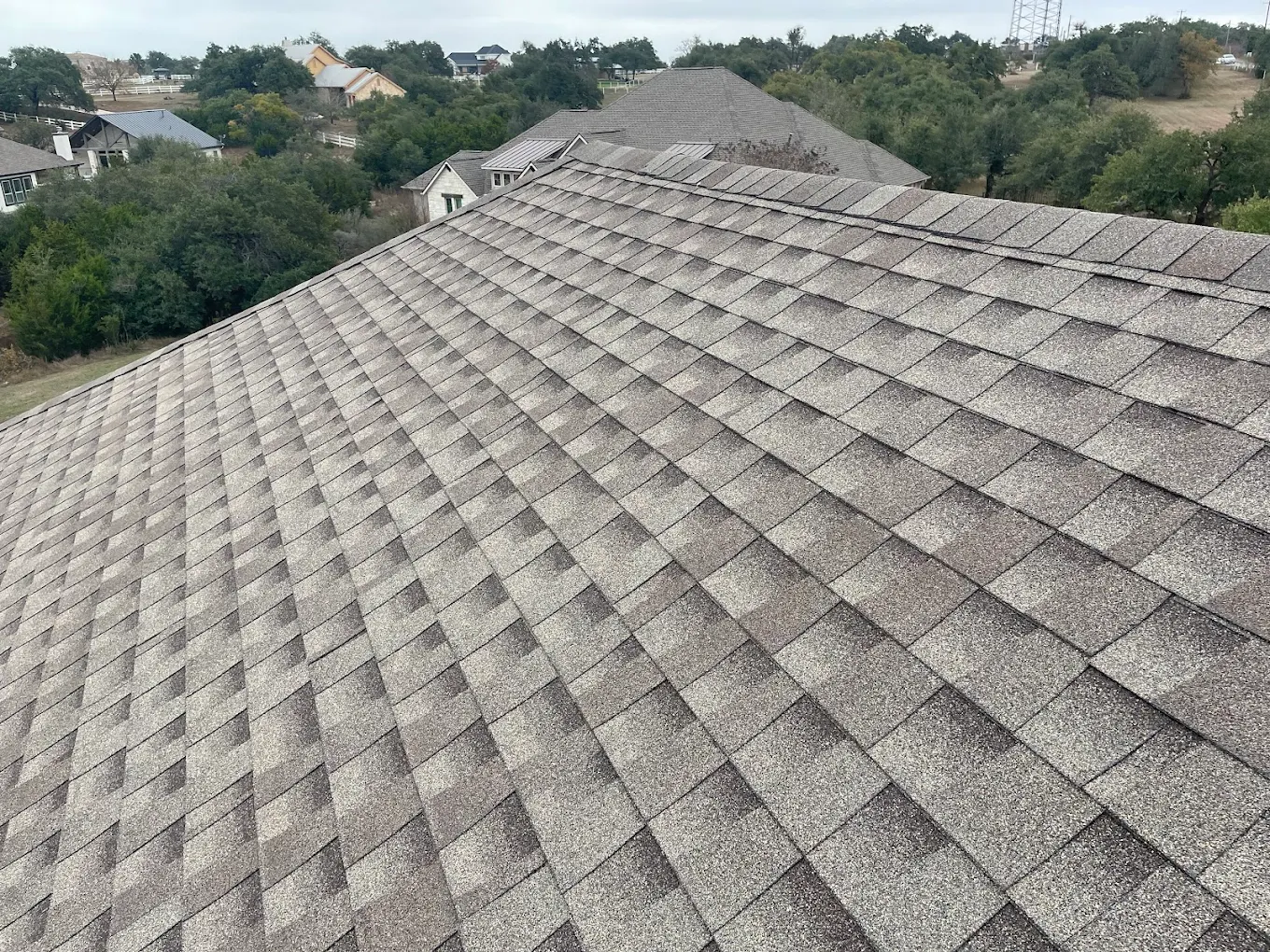
Architectural shingles – also called dimensional shingles or laminated shingles – are built differently. They use two or more layers of asphalt bonded together, which makes them thicker and heavier than 3-tab options. That layered construction also gives your roof depth and texture, similar to wood shake or natural slate.
Most major manufacturers now treat architectural shingles as the baseline product for new residential roofing. There’s a reason for that. They perform better, they look better, and they hold up far longer in demanding climates like Central Texas.
Architectural vs 3-Tab Shingles: A Side-by-Side Comparison
Here’s a quick look at how these two shingle types stack up for Austin homeowners:
| Feature | Architectural Shingles | 3-Tab Shingles |
| Construction | Multi-layer, laminated | Single-layer |
| Lifespan (Austin) | 25–30 years | 15–20 years |
| Wind Rating | 110–130 mph | 60–70 mph |
| Hail Resistance | Better (thicker mat) | Lower |
| Warranty | Lifetime limited | 20–25 years |
| Installed Cost | ~$3.75–$7.50/sq ft | ~$3.00–$5.00/sq ft |
| Appearance | Dimensional, textured | Flat, uniform |
Why Austin’s Climate Changes Everything
Austin is not an average city when it comes to weather. Summers push well past 100°F. Attic temperatures can hit 150°F on a hot July afternoon. And Central Texas sits right on the edge of “Hail Alley” – a region where significant hailstorms happen dozens of times a year.
Standard national comparisons between shingle types don’t account for this. A roof that lasts 25 years in a mild Midwest climate might only last 17 in Austin. UV exposure accelerates granule loss on thinner shingles. Intense heat cycles cause premature cracking. And when those spring storms roll through with 60+ mph gusts, the difference between 3-tab and architectural shingles becomes very real, very fast.
Our residential roofing services are built specifically around what Austin roofs face – not what roofs in other parts of the country face.
Durability: Which One Actually Lasts in Austin?
Architectural shingles are built to take a beating. Their multi-layer construction resists curling, cracking, and granule loss far better than single-layer 3-tab products. In Austin conditions, you can realistically expect 25 to 30 years from a quality architectural shingle roof.
3-tab shingles? Most homeowners here see them start to fail around year 15. The thinner profile just doesn’t hold up under constant UV exposure and heat cycling. You end up replacing the roof sooner – and paying twice.
When you look at cost per year of service life, dimensional shingles almost always win. That’s not marketing language. That’s basic math.
Wind Resistance: A Big Deal in Central Texas
Texas spring storms can bring sudden wind gusts well above 60 mph. Standard 3-tab shingles are rated for exactly that – 60 to 70 mph. Architectural shingles are rated for 110 to 130 mph, depending on the product line.
The heavier weight and improved adhesive bonding of laminated shingles lock them to the roof deck far better in high winds. After major Austin storm events, it’s common to see 3-tab shingles lifted and missing while architectural shingles on neighboring homes come through just fine.
If your home sits in an exposed location – hilltop, open lot, near the Hill Country – wind performance should be one of your top considerations.
Hail Damage and Impact Resistance
Texas leads the nation in hail frequency. NOAA data shows more than 750 significant hail events hit the state every year. Austin and the surrounding areas are right in that path.
Standard 3-tab shingles have little to no impact resistance. Their thin profile cracks and loses granules quickly when hail hits. Architectural shingles perform better in real hail events for a couple of reasons:
- The thicker construction absorbs more energy before the mat fractures
- Granule adhesion is stronger, so granule loss is less severe
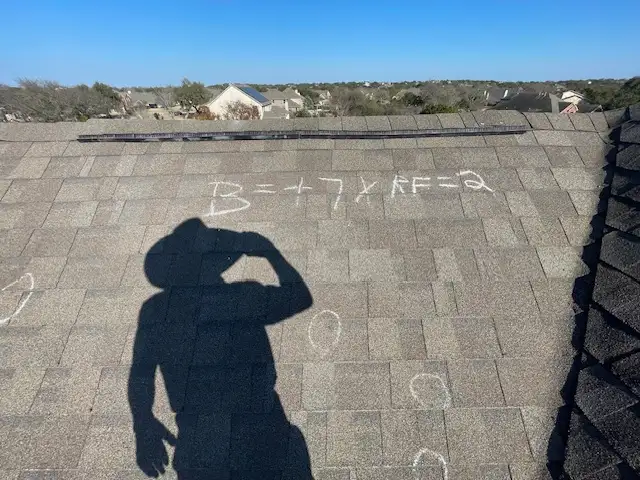
For the best protection, consider upgrading to Class 4 impact-resistant shingles. These are available in architectural profiles and can earn you a 5–30% discount on your homeowner’s insurance in Texas. Over a 25-year roof life, those savings add up fast.
Our team handles hail damage roof repair in Austin regularly, and we see firsthand how much difference shingle quality makes after a storm.
Heat, UV, and Energy Efficiency
Austin summers are brutal. Dark shingles can reach surface temperatures of 160°F or higher on a peak summer day. That heat transfers into your attic and drives up your cooling costs.
Architectural shingles often include advanced UV-blocking granules and reflective coatings that reduce heat absorption. Some products lower roof surface temperatures by 20 to 30°F compared to standard dark shingles. That translates to a real 10 to 15% reduction in cooling costs during summer – not a tiny number when your AC runs for five or six months straight.
3-tab shingles offer basic granule coverage and minimal thermal protection. They absorb more heat, heat up your attic faster, and put more load on your HVAC system every single summer.
Cost: What Austin Homeowners Actually Pay
Here’s the honest breakdown on price:
- 3-tab shingles run approximately $3.00–$5.00 per square foot installed
- Architectural shingles run approximately $3.75–$7.50 per square foot installed
- On a typical 2,000 sq ft Austin home, the difference is usually $1,500 to $3,000
That’s the upfront gap. But when you factor in a lifespan that’s 10 to 15 years longer, fewer storm repairs, and potential insurance discounts for impact-resistant products, architectural shingles deliver better value over time. Most homeowners who plan to stay in their home for 10 or more years come out ahead with the upgrade.
Warranty: What You’re Really Covered For
Warranties tell you a lot about how much confidence manufacturers have in their products.
3-tab shingles typically carry a 20 to 25-year limited warranty. Wind coverage is capped at 60 mph. Most warranties are pro-rated, meaning coverage decreases significantly after year 10.
Architectural shingles, by contrast, usually come with lifetime limited warranties – often 30 to 50 years of practical coverage. Wind warranties run 110 to 130 mph. Many premium lines also include algae-resistance coverage, which matters in Austin’s humid summers when black streaking becomes a real issue.
The manufacturer warranty alone doesn’t cover everything. A certified roofing contractor should also provide a workmanship warranty. At Altitude Roofing, every installation comes backed by both.
Curb Appeal and Resale Value
There’s no question – architectural shingles look better. The layered, dimensional profile creates shadow lines and depth that a flat 3-tab roof simply can’t match. They’re available in a wide range of color blends that mimic slate, wood shake, or stone.
In Austin’s competitive real estate market, your roof is one of the first things buyers notice. Real estate agents consistently report that homes with dimensional shingles show better and command higher offers. If you’re planning to sell in the next 10 years, a quality asphalt shingle roof can be a visible selling point.
3-tab shingles have a flat, repetitive look. They’re fine. But they don’t add anything to your home’s visual appeal.
When Does Each Shingle Make Sense?
Choose architectural shingles if you:
- Plan to stay in your home for 10 or more years
- Live in a hail-prone Austin zip code
- Want to qualify for insurance premium discounts
- Care about curb appeal and long-term resale value
- Are replacing a roof after storm damage
3-tab shingles may make sense if you:
- Are working with a very tight, non-negotiable budget
- Are roofing a rental property or secondary structure
- Plan to sell the home in the next year or two
For most Austin homeowners, the choice is clear. The modest upfront difference rarely justifies the performance gap – especially given what Central Texas weather throws at your roof year after year.
The Role of Attic Ventilation (Most People Miss This)
Here’s something your competitors won’t always mention: no shingle performs well on a roof with poor ventilation. If your attic doesn’t have adequate airflow – proper ridge venting, balanced soffit intake, the right exhaust-to-intake ratio – heat and moisture build up under your shingles and shorten their life dramatically.
In Austin, attic temperatures already push past 150°F in summer. Add poor ventilation to that, and even a premium architectural shingle will age years faster than it should. Worse, most manufacturer warranties require adequate ventilation. Without it, your warranty coverage can be voided.
Before any roof replacement, a proper roof inspection should include a ventilation assessment. That’s part of how we do things at Altitude Roofing.
Architectural vs 3-Tab Shingles: The Austin Verdict
Most roofing professionals in Austin now recommend architectural shingles for the vast majority of residential projects – and for good reason. The combination of better wind resistance, longer lifespan, superior hail performance, and energy savings makes them the smarter choice for a city with weather like ours.
Are 3-tab shingles a bad product? No. They still serve a purpose in specific situations. But for most Austin homeowners making a long-term investment in their home, dimensional shingles are the right call.
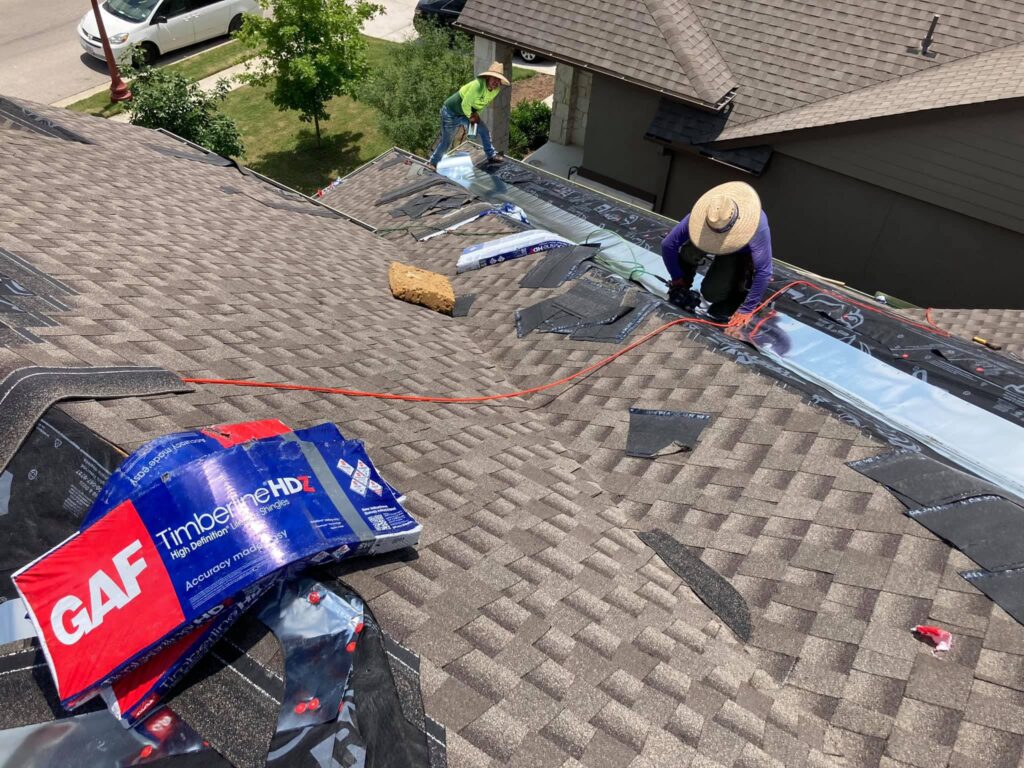
The key is pairing quality shingles with quality installation. Even the best shingle fails fast with poor nailing, bad flashing, or skipped underlayment. That’s why working with a local contractor who knows Austin’s specific demands makes all the difference.
Conclusion
Choosing between architectural vs 3-tab shingles comes down to one thing: how long do you want your roof to last, and how much do you want to deal with repairs and replacements along the way?
For Austin homeowners, architectural shingles are the right investment in the vast majority of cases. They hold up against our heat, our hail, and our wind. They look better, last longer, and often save you money on insurance. The upfront cost difference is real – but so is the long-term payoff.
At Altitude Roofing, we help Austin-area homeowners make smart decisions about their roofs every day. Whether you’re weighing your options before a roof replacement or dealing with damage from a recent storm, we’re happy to walk you through the best shingle options for your specific home, budget, and situation.
Frequently Asked Questions
Q1: Are 3-tab shingles still available in Austin?
Yes, 3-tab shingles are still widely available from most roofing suppliers. However, the industry has largely shifted toward architectural shingles as the standard for new residential installations, so fewer contractors recommend them for primary homes.
Q: Can I install architectural shingles over existing 3-tab shingles?
In some cases, yes – but it depends on your local building codes and how many shingle layers already exist. Most experienced roofers recommend a full tear-off so the new shingles bond properly to a clean deck and any hidden damage gets addressed.
Q: How do I know if my current roof is 3-tab or architectural?
Look at the surface. If your shingles are flat with a uniform repeating pattern and three visible cutouts, they’re 3-tab. If they have a layered, textured look with varying shapes and depth, they’re architectural. You can also check the edge of a shingle – architectural shingles are noticeably thicker.
Q: Will Class 4 impact-resistant shingles lower my homeowner’s insurance in Texas?
Very likely. Many Texas insurance carriers offer premium discounts of 5% to 30% for Class 4 rated roofing products. The exact amount depends on your specific carrier and policy, so it’s worth calling your insurance agent before your roof replacement to confirm the discount available to you.
Q: How long does a roof replacement take in Austin?
Most standard residential roofs can be completed in one to two days by an experienced crew. Larger or more complex roofs may take two to three days. Weather, material availability, and project scope all affect the timeline.