Skip to content
Texas weather does not play fair. One week brings triple-digit heat. The next brings hail the size of golf balls. Then a windstorm rolls through and tests every nail on your roof.
That is why picking the best roof designs for Texas homes matters so much. Your roof is not just a style choice. It is your home’s first line of defense. Get the shape and material right, and you save money on repairs, energy bills, and stress for decades.
This guide breaks down the best roof designs for Texas homes, from shape to material to region. We will also cover cost, insurance perks, and how to pick the right fit for your house.
Why Roof Design Matters in Texas
Roof design means two things. First, the shape of your roof. Second, the material covering it. Both affect how well your home holds up against Texas weather.
Hail storms hit North Texas hard almost every spring. Hurricanes threaten the Gulf Coast each summer and fall. Meanwhile, the sun beats down across the whole state, all year long. A roof built for Ohio or Oregon will not cut it here. You need a design made for Texas conditions specifically.
Best Roof Shapes for Texas Homes
Most guides skip this part. They jump straight to shingles versus metal. But shape matters just as much as material when picking the best roof designs for Texas homes.
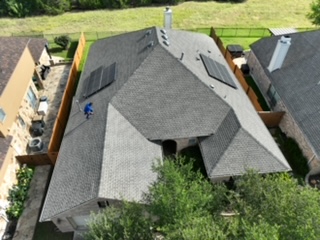
Gable Roofs Gable roofs have two sloped sides that meet at a ridge. They shed rain fast and offer great attic ventilation. But they can struggle in high winds if not braced well. This shape works best in inland areas with less hurricane risk.
Hip Roofs Hip roofs slope on all four sides. This shape handles wind far better than a gable roof. That is why so many homes near Houston and the Gulf Coast use hip roofs. Insurance companies often favor them too, since they hold up better in storms.
Flat and Low-Slope Roofs Flat roofs show up on modern homes and additions across Austin. They give a clean, contemporary look. However, drainage becomes tricky during Texas downpours. A skilled contractor will add proper slope and drains to avoid pooling water.
Combination Roofs Many newer Texas homes mix roof shapes. A hip roof on the main house paired with a small gable over the garage is common. This gives you wind resistance where you need it most, plus visual interest.
Here is a quick side-by-side look at how these shapes perform:
- Gable: great ventilation, moderate wind resistance, lowest cost
- Hip: strong wind resistance, higher material cost, ideal for coastal areas
- Flat: modern look, needs expert drainage design, common on additions

Best Roofing Materials for Texas Homes
Once you settle on a shape, the material comes next. This is where the best roof designs for Texas homes really earn their keep.
Asphalt Shingles
Asphalt shingles remain the most popular roofing material in Texas. They cost less than most alternatives and come in dozens of colors. Architectural shingles, a thicker upgrade from basic 3-tab shingles, resist wind and hail much better. Most asphalt roofs last between 20 and 30 years with good care.
Metal Roofing
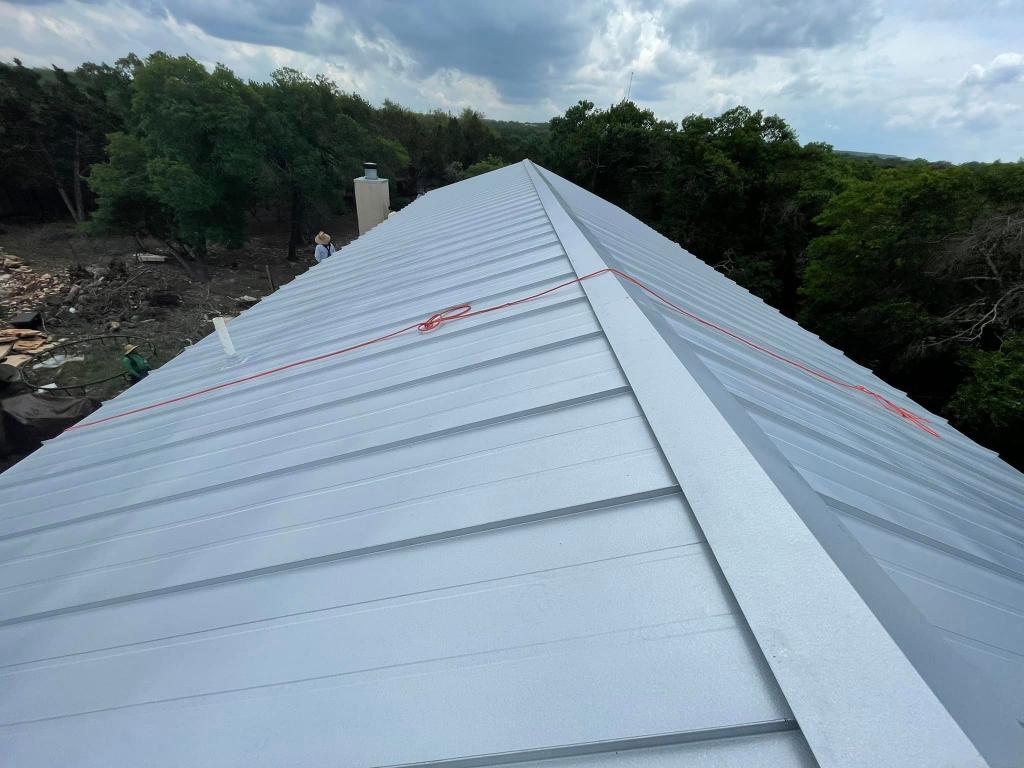
Metal roofing has grown fast across Central Texas in the past decade. It reflects sunlight instead of absorbing it, which keeps your attic cooler in summer. Metal roofs also resist hail impact and can last 40 to 70 years. The upfront cost runs higher, but the long lifespan often makes up for it. Homeowners considering a switch can learn more through Altitude Roofing’s metal roofing services in Austin.
Clay and Concrete Tile
Tile roofing suits Texas homes with Spanish or Mediterranean styling. Clay tiles handle heat exceptionally well and can last over 50 years. They do add significant weight, though, so your home’s structure needs to support it. Tile roofing works especially well in San Antonio and other South Texas cities where heat and humidity both run high.
Synthetic and Composite Roofing
Synthetic shingles mimic the look of slate, wood, or tile at a lighter weight and lower price. Many come with a Class 4 impact rating, the highest hail-resistance grade available. These products also resist fading from UV rays, a real problem under the Texas sun.
Natural Slate
Slate roofing is rare in Texas, mostly due to weight and cost. It can last well over a century when installed right. This material fits historic homes or high-end custom builds where budget is not the main concern.
Ideal Roof Designs by Texas Region
Texas is huge, and one roof style does not fit every corner of the state. Here is how the best roof designs for Texas homes shift by region.
North Texas homeowners deal with frequent hailstorms. Class 4 impact-rated shingles or metal roofing make the most sense here. Central Texas, including Austin and the Hill Country, sees intense heat, so reflective metal roofs and tile perform well. South Texas battles humidity, which makes tile and treated composite materials a smart pick since they resist mold. Along the Gulf Coast, hip roofs paired with wind-rated shingles or metal give homes the best shot against hurricane-force gusts.
If you are unsure which combination fits your neighborhood, a local roofing company can walk your property and recommend the right setup. Altitude Roofing’s tile roofing services in Austin team, for example, evaluates your home’s structure before recommending heavier materials.
Energy Efficiency and Cool Roofing
Texas summers push AC units to their limit. The right roof design can lower that burden. Reflective shingles and metal roofs bounce sunlight away instead of soaking it in. According to the U.S. Department of Energy, cool roofing can cut cooling costs by 10 to 15 percent in hot climates. That adds up fast over a Texas summer.
Proper attic ventilation plays a role too. A well-ventilated attic pushes hot air out instead of letting it bake your shingles from underneath. This simple detail extends roof life and keeps energy bills lower.
What Does a New Roof Cost in Texas?
Costs vary a lot based on material and roof size. Asphalt shingles typically run the lowest, often used because they are budget-friendly. Metal roofing costs more upfront but pays off through durability. Tile and slate sit at the top of the price range due to material and labor demands.
Pitch, roof complexity, and your home’s location within Texas all affect final pricing. A steep, multi-hip roof will cost more to install than a simple gable. Getting a few quotes from local contractors gives you a realistic number for your specific home.
Insurance and HOA Considerations
Impact-rated roofing can lower your homeowners insurance premium. Many Texas insurers offer discounts for Class 4 shingles or metal roofing, since these materials file fewer hail claims. Wind mitigation credits exist too, especially for hip roofs in coastal counties.
HOA rules matter as well. Many Texas subdivisions restrict roof colors or materials to keep a consistent look. Always check your HOA guidelines before choosing a bold metal color or an unusual tile pattern.
How to Choose the Right Roof Design for Your Home
Start with your climate zone. Then factor in your budget, your home’s architectural style, and any HOA restrictions. Finally, think about your long-term plans. If you plan to stay in your home for decades, a higher upfront cost on a durable material often pays for itself.
The best roof designs for Texas homes balance all these factors together. There is no single right answer for every house. What works in Dripping Springs may not be the best fit for a home near the coast.

The Future of Texas Roofing
Solar-ready roofing is becoming more common as homeowners look to cut energy costs long-term. Recycled composite materials are gaining ground too, giving buyers an eco-friendly option that still performs well. Smart roofing technology, like leak sensors built into underlayment, is starting to show up on newer builds across the state.
Conclusion
Choosing among the best roof designs for Texas homes comes down to knowing your region, your budget, and what your home can structurally support. Shape and material work together, not separately. A hip roof with impact-rated shingles might be perfect for a Gulf Coast home, while a metal roof suits a sun-baked property in the Hill Country.
No two Texas homes face identical challenges. That is why working with an experienced local contractor makes such a difference. At Altitude Roofs, our team helps Austin-area homeowners choose the roof design and material built to handle everything Texas throws at it. Reach out today for a free consultation and find the right roof for your home.
Frequently Asked Questions
What is the most hail-resistant roof design for Texas homes?
Metal roofing and Class 4 impact-rated shingles offer the strongest hail resistance. Both materials hold up well against Texas-sized hail. Many insurers also give discounts for choosing these options.
Which roof shape handles Texas wind best?
Hip roofs handle high winds better than gable roofs. Their four-sided slope reduces wind lift during storms. This makes them popular in Gulf Coast communities.
How long does a metal roof last in Texas heat?
A well-installed metal roof can last 40 to 70 years in Texas. Heat and UV exposure have little effect on its lifespan. Regular inspections still help catch minor issues early.
Does roof design affect my insurance premium?
Yes, impact-rated materials and wind-resistant shapes often qualify for insurance discounts. Insurers view these roofs as lower risk. Ask your provider about specific savings for your roof type.
What roof design adds the most value to a Texas home?
Tile and metal roofing tend to boost resale value the most. Buyers see them as low-maintenance, long-lasting investments. A hip roof shape can add extra appeal in storm-prone areas.