 Skip to content
The solar industry has been around long enough to have real answers here, not just projections. One of the world’s oldest grid-connected solar systems, installed in Italy in 1982, ran for 35 years with minimal interruption. In 2020, a homeowner tested a panel from 1980 that had been on his roof for 40 years – output had dropped by less than 10%. That’s a remarkable result for technology that predates modern manufacturing standards.
Today’s panels are built with better materials, improved protective coatings, and more rigorous testing standards than those early systems. It’s reasonable to expect similar or better longevity from panels installed now.
The 25–30 year figure isn’t when panels stop working – it’s when most manufacturers stop guaranteeing performance. Panels don’t have a hard expiration date. Instead, they gradually produce less electricity each year through a process called degradation.
Real-world data shows: A typical 400-watt panel installed today will still produce roughly 340–350 watts after 25 years. Most homeowners don’t notice the year-to-year decline.
Understanding Solar Panel Degradation Rate
Degradation is the gradual, predictable decline in how much electricity a panel produces as it ages.
| Degradation Rate | After 25 Years | Panel Type |
| 0.3% per year | ~92–93% output | Premium Tier 1 (e.g., SunPower, LG) |
| 0.5% per year | ~85–88% output | Industry standard |
| 0.7%+ per year | ~82% or less output | Lower-tier budget panels |
A solar system doesn’t “fail” – it just slowly produces slightly less power each year. The difference between a 0.3% and 0.5% degradation rate can mean thousands of dollars in additional energy production over 25 years, which is why panel quality matters.
What Affects How Long Solar Panels Last
Several variables determine whether your panels hit the 25–30 year mark, exceed it, or fall short.
1. Panel Quality and Manufacturer
Not all solar panels are built the same. Tier 1 manufacturers use better cell technology, more durable backsheets, and stronger aluminum frames. Cheaper, lower-tier panels are more prone to early failures like micro-cracking, delamination, or hot spots.
2. Climate and Weather Exposure
Panels are tested to withstand 1-inch hail traveling at 51 mph and heavy snow loads. But repeated extreme exposure still accelerates wear:
- High UV intensity degrades backsheet materials faster
- Extreme temperature swings cause expansion and contraction stress
- Heavy snow/ice tests mounting hardware and roof structure
3. Installation Quality
This is the most overlooked factor – and the one that matters most to your roof. Poor mounting can cause:
- Water intrusion through unsealed penetrations
- Uneven structural stress on rafters
- Inadequate ventilation leading to overheating
- Flashing failures that cause leaks years later
4. Maintenance
Solar systems are low-maintenance, but not zero-maintenance:
- Cleaning: Dust, pollen, and debris block sunlight
- Inspections: Annual visual checks catch physical damage early
- Inverter monitoring: The inverter – not the panels – is typically the first component to fail, usually around year 10–15
Does Roof Condition Affect Solar Panel Lifespan?
Yes – and this is the piece most solar-focused articles skip over entirely.
Solar panels frequently outlast the roofing material underneath them. A standard asphalt shingle roof lasts 20–25 years, while your solar panels are rated for 25–30+ years. That means for a large share of homeowners, the roof will need attention before the panels reach the end of their expected life.
When that happens, here’s what’s actually involved:
- The solar system must be fully de-installed
- Roof repair or replacement is completed
- Panels are reinstalled, remounted, and rewired
This isn’t just an inconvenience – it adds real cost and downtime that many homeowners don’t budget for. A poorly timed roof replacement can easily add $1,500–$3,500 in panel removal and reinstallation labor on top of the roofing cost itself.
Not sure if your roof is solar-ready? Schedule a free roof inspection before you invest in panels. It’s the fastest way to avoid paying twice.
The Roof-First Approach
The smartest sequencing – and one that’s frequently overlooked – is having your roof professionally inspected before solar panels go up.
A roof is a good candidate for solar if it:
- Has more than 15 years of expected life remaining
- Shows no signs of active leaks, sagging, or structural issues
- Has shingles in good condition (no widespread granule loss, curling, or cracking)
A roof is NOT a good candidate for solar right now if it:
- Is already 12–15+ years old (standard asphalt shingles)
- Has visible curling, cracking, or missing shingles
- Has unresolved storm or hail damage
- Shows signs of water intrusion or interior leaks
If your roof is on the older side, it often makes more financial sense to handle roof repair or replacement first, then install solar on a roof that will comfortably outlast – or at least keep pace with – the panels above it.
Best Roofing Materials for Solar Longevity
Table
| Roof Material | Typical Lifespan | Solar Compatibility |
| Asphalt shingles | 20–25 years | Good; most common |
| Metal roofing | 40–70 years | Excellent; ideal for solar |
| Clay/concrete tile | 50+ years | Good; requires specialized mounting |
| Wood shake | 20–30 years | Fair; higher fire risk in some areas |
| Flat membrane (TPO/EPDM) | 20–30 years | Good; requires ballasted or penetrating mounts |
Metal roofs are the best long-term partner for solar. They often outlast the panels themselves, eliminating the removal/reinstall problem entirely.
Do Solar Panels Damage Your Roof?
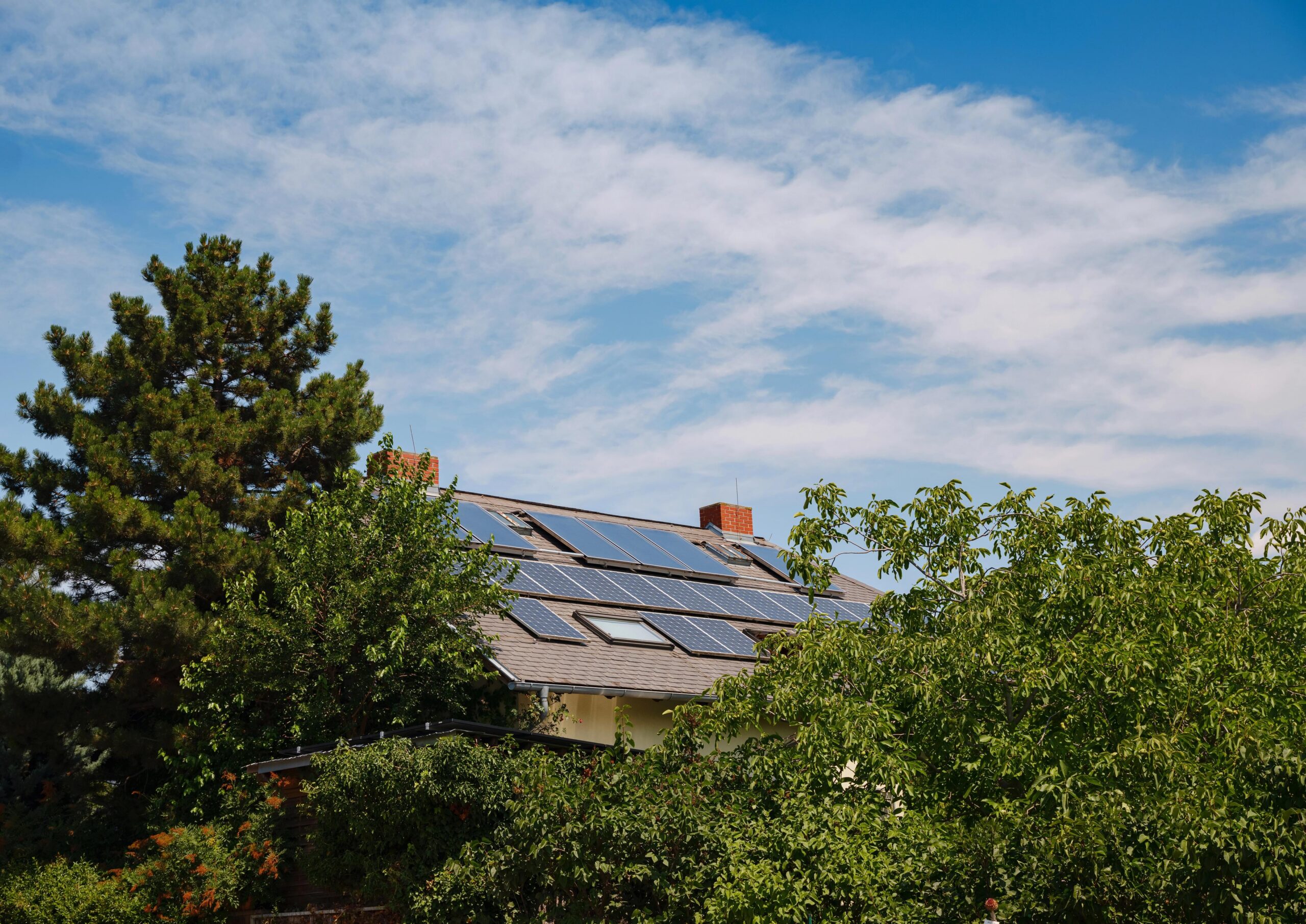
Properly installed solar panels do not damage a roof in good condition. In fact, panels can offer protection benefits – shading roofing material from direct UV exposure and reducing thermal cycling in covered areas.
The damage risk comes from installation quality, not the panels themselves:
Table
| Risk | Cause | Prevention |
| Roof leaks | Improper sealing around mounting brackets | Professional flashing and sealant work |
| Structural stress | Inadequate rafter assessment before install | Load calculation by a structural professional |
| Deck rot | Water intrusion at penetration points | Quality underlayment and waterproof boots |
| Voided roof warranty | Unapproved mounting methods | Use manufacturer-approved attachment systems |
This is why the contractor doing the installation – and the condition of the roof they’re installing onto – matters as much as the panels themselves.
Solar Panel Warranties: Manufacturer Comparison
Nearly every major manufacturer offers a 25-year performance warranty, guaranteeing minimum output (commonly 85–88%) through that period. There’s typically a separate, shorter product warranty covering manufacturing defects.
Here’s how top manufacturers compare:
Table
| Manufacturer | Product Warranty | Performance Warranty | Est. Degradation | Notes |
| SunPower | 40 years | 40 years | 0.25%/year | Highest warranty in industry; premium pricing |
| LG (NeON R) | 25 years | 25 years | 0.3%/year | Strong efficiency; discontinued but still serviced |
| Panasonic | 25 years | 25 years | 0.26%/year | Excellent temperature coefficient |
| Q CELLS | 25 years | 25 years | 0.5%/year | Best value for most homeowners |
| REC Group | 25 years | 25 years | 0.25%/year | Strong performance in high-temperature climates |
| Canadian Solar | 12–15 years | 25–30 years | 0.55%/year | Budget-friendly; shorter product warranty |
| JinkoSolar | 12–15 years | 25–30 years | 0.55%/year | Tier 1 manufacturer; cost-effective |
Note: The figures above are provided as general guidance based on publicly available manufacturer data and are subject to change. Altitude Roofing is a roofing contractor, not a solar panel manufacturer or dealer. we don’t issue or service solar panel warranties. Always confirm exact warranty terms, coverage details, and current figures directly with the manufacturer or your solar installer before making a purchasing decision.
How Much Does Solar Maintenance Actually Cost?
Solar systems have no moving parts, which makes them low-maintenance – but not no-maintenance. Here are the real numbers homeowners should budget for:
Expected Maintenance Costs Over 25 Years
Table
| Maintenance Item | Cost | Timeline |
| Inverter replacement | $1,000 – $2,500 | Year 10–15 |
| Annual professional inspection | $150 – $300 | Every 1–3 years |
| Panel cleaning | $150 – $400 per visit | As needed (1–2x/year in dusty areas) |
| Electrical connection check | $100 – $200 | Every 3–5 years |
| Monitoring system subscription | $0 – $120/year | Varies by installer |
Total estimated 25-year maintenance budget: $3,000 – $6,500
Compare this to average energy savings of $1,000–$2,000 per year, and maintenance represents roughly 10–15% of your total savings over the system’s life. The inverter replacement is the only major expense you can count on.
Pro tip: Ask your solar installer to include the inverter replacement cost in your initial quote and payback calculation. Reputable companies (like Namaste Solar) do this automatically to avoid surprises.
Solar Panels in Texas: What Local Homeowners Should Know
If you live in a high-altitude or variable-climate region, your solar panels face unique challenges that affect both panel selection and roof preparation:
- Intense UV exposure: At higher elevations, UV radiation is significantly stronger. Choose panels with UV-resistant backsheets and robust anti-reflective coatings.
- Temperature swings: Daily temperature fluctuations of 40°F+ cause expansion and contraction. Ensure your installer uses flexible flashing systems and allows for thermal movement in mounting hardware.
- Snow loads: Heavy snow can temporarily reduce output but usually slides off tilted panels. However, snow guard placement and roof structural load limits must be calculated before installation.
- Hail risk: While panels are tested for 1-inch hail at 51 mph, regions with frequent severe hail should consider premium glass coatings and robust framing.
Altitude Roofs recommends: A pre-installation structural assessment for any roof above [elevation] feet, and the use of ice-and-water shield under all panel mounting points regardless of code minimums.
What Happens at the End of a Solar Panel’s Life?
Because solar panels last so long, end-of-life planning was largely an afterthought in the early industry. That’s changing. Here’s what homeowners need to know:
Recycling Options
Modern solar panels are 85–95% recyclable by weight. Materials recovered include:
- Aluminum frames (100% recyclable)
- Glass (95% reusable)
- Silicon cells (refinable for new panels)
- Silver and copper (recoverable for electronics)
Many states now have solar recycling programs or manufacturer take-back initiatives. Check with your installer about responsible disposal options when your system eventually needs replacement.
When to Replace vs. Keep
Replacement makes sense when:
- Output drops below 80% and no longer covers your energy needs
- Panel damage is widespread (cracking, delamination)
- New panel technology offers significantly better efficiency (e.g., upgrading from 250W to 450W panels)
- You need to re-roof anyway, and the math favors a full system refresh
Signs Your Solar Panels (or Roof) May Need Attention
Panel-Side Signs
- Noticeable drop in energy production compared to historical output
- Visible cracking, discoloration, or delamination on panel surfaces
- Physical damage after a severe storm or hail event
- Inverter error codes or monitoring app alerts
Roof-Side Signs (Often More Urgent)
- Granule loss, curling, or cracking shingles visible around panel edges
- Water staining on ceilings or in the attic
- Panels are 12–15+ years old on a roof that hasn’t been replaced
- Sagging or soft spots in the roof deck beneath arrays
If you’re noticing roof-side issues, that’s a roofing problem first – even if solar panels are involved. It typically needs a licensed roofing contractor, not just a solar technician, to properly diagnose flashing, decking, or leak issues around mounted panels.
Conclusion:
Solar panels are a genuinely long-term investment – 25 to 30+ years with only gradual, minor efficiency loss. But that timeline only holds up if the roof underneath is in good shape to support it for the long haul.
Before any solar installation, it’s worth getting an honest, professional assessment of your roof’s remaining lifespan so you’re not paying twice: once for the roof, and again to pull panels off and put them back on.
At Altitude Roofing we’ve inspected thousands of roofs for solar readiness. We believe in the roof-first approach because we’ve seen too many homeowners discover too late that their 15-year-old shingles couldn’t outlast their new solar array.
Frequently Asked Questions
How long do solar panels really last before they need replacing?
Most panels are usable for 25–30 years and often longer. “End of life” for most homeowners is more about diminishing returns on efficiency than the panels failing outright. Many 35–40 year old panels still produce 80%+ of their original output.
Do I need a new roof before installing solar panels?
If your roof has less than 10–15 years of remaining life, it’s generally worth replacing or repairing it before installation. This avoids paying $1,500–$3,500 to remove and reinstall the solar system later when the roof needs work.
How long does a roof last with solar panels installed?
The panels themselves don’t shorten roof lifespan when properly installed. An asphalt shingle roof still lasts its normal 20–25 years. Metal roofs can last 40–70 years and often outlast the solar panels themselves.
What’s the most common cause of solar-related roof problems?
Improper flashing and sealing around mounting hardware – an installation issue, not a panel defect. This is why your choice of roofing/solar contractor matters more than your choice of panel brand.
Can you put solar panels on a 20-year-old roof?
You can, but it’s usually not advisable. A 20-year-old asphalt shingle roof is near the end of its service life. You’ll likely face a roof replacement within 5–10 years, forcing a costly solar removal and reinstall. Inspect the roof first.
Do solar panels void roof warranty?
Not if installed correctly using manufacturer-approved methods. However, unauthorized penetrations or improper flashing can void portions of your roofing warranty. Always verify that your solar installer coordinates with your roofing manufacturer or uses compatible mounting systems.
What is the best roof for solar panels?
Standing seam metal roofing is ideal – it lasts 40–70 years, is fully recyclable, and often allows for clamp-based mounting with fewer penetrations. Asphalt shingles are the most common and work well if the roof has sufficient remaining life.
How often should you replace a roof with solar panels?
You shouldn’t need to replace the roof more frequently because of solar panels. The key is ensuring the roof’s remaining lifespan exceeds the solar system’s expected life at the time of installation.
Do solar panels increase home value?
Yes. Studies by Zillow and the Department of Energy show homes with solar sell for 4.1% more on average. However, owned systems add value; leased systems can complicate sales.