Skip to content
A tile roof typically lasts 40 to 100+ years, depending on the tile material. Clay and concrete tiles average 50 years, while slate can exceed a century. But there’s a catch most homeowners don’t hear about: the tiles themselves usually outlive the roof’s underlayment, which typically needs replacement every 20 to 30 years – meaning your “50-100 year roof” may need underlayment work well before the tiles ever fail. If you’re weighing whether tile is the right choice for your home, it helps to understand this distinction before you talk to a tile roofing specialist about your options.
Lifespan by Tile Material
| Tile Material | Typical Lifespan | Notes |
| Clay | 50–100+ years | Excellent weather and UV resistance; a long-standing standard in hot, sunny climates |
| Concrete | 50–75 years | Strong and more budget-friendly than clay, slightly shorter lifespan |
| Slate | 75–150 years | Natural stone; the longest-lasting roofing material available, but among the most expensive |
| Composite/Synthetic | 40–50 years | Engineered to mimic clay or slate at lower weight and cost; backed by strong manufacturer warranties |
Clay and slate are the two materials most likely to outlast the home itself when properly installed and maintained. Composite tiles trade some longevity for lower weight, lower cost, and easier installation – a reasonable trade-off for many homeowners.
The Underlayment: The Part Nobody Talks About
This is the detail most tile roof guides skip, and it matters more than most homeowners realize.
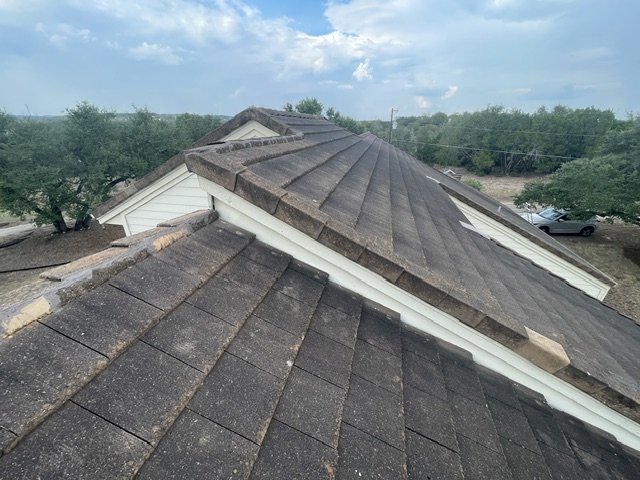
The tiles are just the visible top layer. Underneath sits the waterproof underlayment – and this is almost always the component that fails first:
- Standard felt underlayment: 15–20 years
- Builder-grade materials: as little as 15 years
- Premium synthetic underlayment: up to 50 years
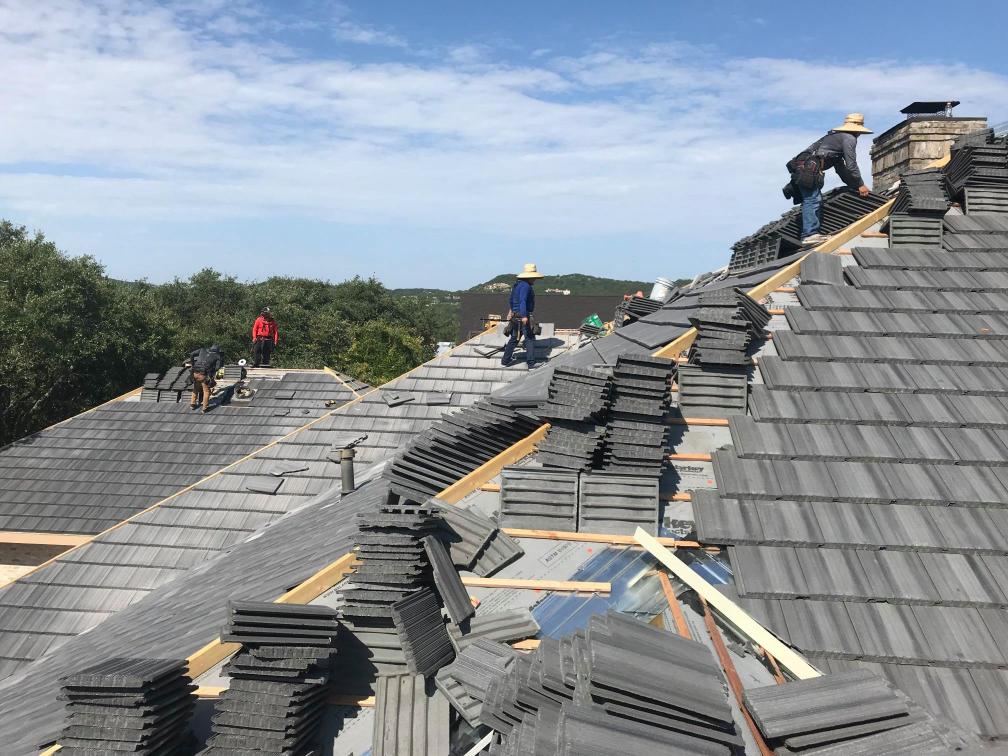
Here’s the key point: when a tile roof develops a leak, it’s usually not because a tile broke – it’s because the underlayment, flashing, or fasteners beneath the tiles have degraded. The tiles can often be carefully lifted, the underlayment replaced, and the original tiles reinstalled – meaning a “roof replacement” on a tile roof doesn’t always mean replacing the tiles themselves.
This is worth asking any roofing contractor directly: are you replacing the tiles, the underlayment, or both? The answer changes the cost significantly.
Key Factors That Affect Tile Roof Longevity
- Climate – Severe storms, hail, freeze-thaw cycles, and intense UV exposure all accelerate wear at different rates depending on tile material
- Installation quality – Proper weight distribution and precise alignment prevent premature cracking; tile roofs are heavy and installation mistakes compound over decades
- Maintenance – Clearing debris and promptly replacing cracked or dislodged tiles prevents water from reaching the underlayment early
- Roof design and slope – Poor drainage design leads to water pooling, which stresses tiles and accelerates underlayment failure regardless of material quality
Disadvantages of Tile Roofs
Tile isn’t the right choice for every home, despite its lifespan advantages:
- Weight – Tile is significantly heavier than asphalt shingles or metal. Many older homes need structural reinforcement before a tile roof can be installed, adding to upfront cost.
- Higher upfront cost – Tile roofing typically costs more to install than asphalt shingles, even before factoring in potential structural work.
- Fragility under impact – While durable against weather, individual tiles can crack from foot traffic, falling branches, or hail, and walking on an unreinforced tile roof (even for maintenance) risks breakage.
- Repair complexity – Because tiles interlock, repairing or replacing a section – especially to access underlayment – requires more specialized labor than shingle or metal roofing, which raises repair costs.
- Longer, costlier installation – Tile roofing installation takes longer and typically costs more in labor than other roofing types, due to the weight and precision required.
These trade-offs are why tile remains most popular in climates and architectural styles where its longevity and heat performance clearly offset the higher upfront investment – it’s a long-term value play, not a budget option.
How Climate Affects Tile Roof Lifespan by Region
Tile roof lifespan isn’t uniform across the country – local climate conditions push the same material toward the shorter or longer end of its range:
| Region | Climate Challenge | Impact on Tile Roofs |
| Southwest (AZ, NV, NM) | Intense heat, UV, dust | Tiles handle this well vs. asphalt/metal; thermal cycling can stress lower-quality tiles over decades |
| Texas & South-Central | Extreme heat, hail, occasional freeze | Hail resistance varies by tile type; UV and thermal swings are the main long-term stressors |
| Southeast & Gulf Coast (FL, LA) | High humidity, salt air, hurricanes | Wind-rated installation matters most here; humidity accelerates moss/algae growth affecting underlayment |
| Pacific Northwest | Persistent rain, moss growth | Moisture retention under moss buildup is the top threat to underlayment longevity |
| Northeast & Midwest | Freeze-thaw cycles, snow load | Repeated freezing and thawing is harder on tile material integrity than steady heat |
The material itself matters less than how well it’s matched to your regional climate risks – a hail-prone area calls for different priorities than a hurricane-prone or freeze-thaw-prone one.
Signs Your Tile Roof Needs Attention
- Cracked or broken tiles (often from impact or foot traffic, not age alone)
- Water stains or active leaks inside the home
- Visible sagging, which can indicate underlayment or structural issues
- Moss, algae, or mold buildup retaining moisture against the tile surface
- Loose or slipping tiles, often a sign of aging fasteners rather than tile failure
A cracked tile alone rarely means a full roof problem – but water stains or interior leaks are a strong signal the underlayment needs professional evaluation.
Maintenance Tips to Maximize Tile Roof Lifespan
- Schedule annual inspections, and always after major storms or hail events
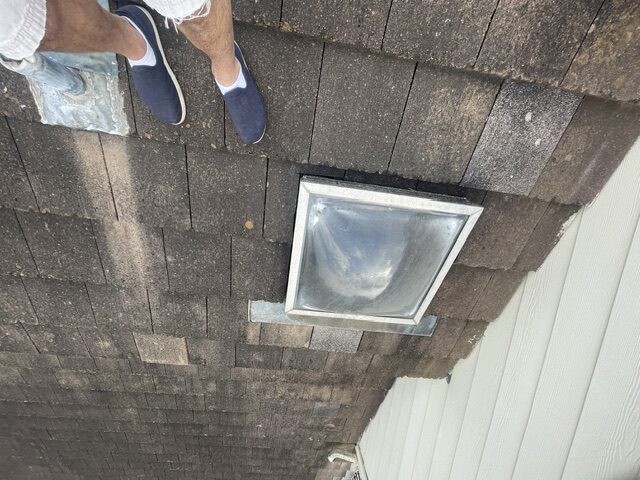
- Never walk directly on tiles – use walk boards, or leave roof access to professionals, since foot traffic is a leading cause of cracked tiles
- Replace damaged tiles promptly – small cracks left unaddressed expose the underlayment to water
- Keep the roof clear of debris and moss to prevent moisture retention against tile surfaces
- Have underlayment condition checked, particularly once a roof passes the 20-year mark, even if the tiles themselves look fine
Tile Roof Repair & Replacement Costs
Costs vary significantly based on tile type, roof size, and whether the underlayment needs replacing alongside the tiles:
- Minor tile repairs (a handful of cracked/broken tiles): typically a few hundred to a few thousand dollars
- Underlayment replacement (tiles removed, reinstalled): a significant added cost beyond tile replacement alone, since labor is the primary driver
- Full replacement (tiles and underlayment): can range from the low tens of thousands into $50,000+ for larger or premium-material roofs
Because tile roof work is labor-intensive regardless of material cost, getting a detailed, itemized quote – one that specifies whether underlayment is included – is the best way to understand your real cost.
Conclusion
A tile roof is one of the few roofing investments that can genuinely outlast the homeowner who installs it – but as this guide shows, the real lifespan story is more nuanced than the “50 to 100 years” number most people hear. Clay, concrete, slate, and composite tiles each age differently, your climate plays a real role in how they hold up, and the underlayment beneath the tiles is often the true deciding factor in when a tile roof actually needs work. Understanding that distinction is what separates a homeowner who gets decades of extra life out of their roof from one who’s caught off guard by an underlayment failure they never saw coming.
If you’re weighing a new tile roof or want a clear-eyed assessment of the one you already have, Altitude Roofing has the experience to walk you through it honestly – tiles, underlayment, and everything in between. Whether you need a full installation or just want a second opinion on your roof’s current condition, our tile roofing services team can give you a straight answer instead of a generic one.
Frequently Asked Questions
How often should a tile roof be replaced?
The tiles themselves rarely need replacement on a fixed schedule – clay and concrete can last 50+ years. In practice, most tile “roof replacements” are actually driven by underlayment failure around the 20-30 year mark, not the tiles wearing out. A professional inspection is the only reliable way to know which your roof needs.
What are the disadvantages of tile roofs?
The main trade-offs are weight (often requiring structural reinforcement), higher upfront and repair costs, fragility under foot traffic or impact, and more complex, labor-intensive installation compared to asphalt shingles or metal roofing.
Do tile roofs last longer than shingles?
Yes, considerably. Asphalt shingles typically last 15-30 years, while tile roofs – clay, concrete, or slate – commonly last 50-100+ years, making tile one of the longest-lasting roofing materials available.
Can a tile roof last 50 years?
Yes – 50 years is well within the normal, expected lifespan for both clay and concrete tile roofs when properly installed and maintained. Slate roofs regularly exceed this.
What roof material has the longest lifespan?
Slate holds the record among common roofing materials, with a lifespan of 75-150 years. Clay tile is close behind, with some installations exceeding a century.
What is the 25% rule for roofing?
Many building codes and insurance policies apply a rule stating that if 25% or more of a roof’s surface requires repair or replacement, the entire roof (or that roof plane) must be brought up to current building code rather than patched section by section. For older tile roofs, this often means a large repair job can trigger a full code-compliant underlayment upgrade, even if most of the original tiles are still usable.