 Skip to content
Your roof works hard in Austin. It faces blazing sun, sudden hail, and wild wind all year. Most homeowners forget about it until a leak shows up. But a little care goes a long way. This roof maintenance checklist walks you through each season, so you can catch small problems before they turn into big ones.
Austin weather is not gentle. We sat right inside “Hail Alley.” Our roofs also bake under 200-plus sunny days a year. That combo wears down shingles faster than in most parts of the country. So let’s break down what to check, and when.
Why Roof Maintenance Is Different in Austin
Austin does not get much snow. That changes everything about how you care for your roof. Up north, people worry about ice dams and roof rakes. Here, the real threats are heat, hail, and storms.
Central Texas averages a few big hail events every year. The worst months run March through May, then again in September and October. Our summers push past 100°F, and roof surfaces can hit 150°F. That heat dries out asphalt shingles and makes them brittle.
Sudden thunderstorms bring 50 to 70 mph winds too. These winds lift shingles and tear flashing. Add in oak-tree debris and flash rain, and your roof takes a beating. This is why your maintenance calendar should follow Texas seasons, not northern ones.
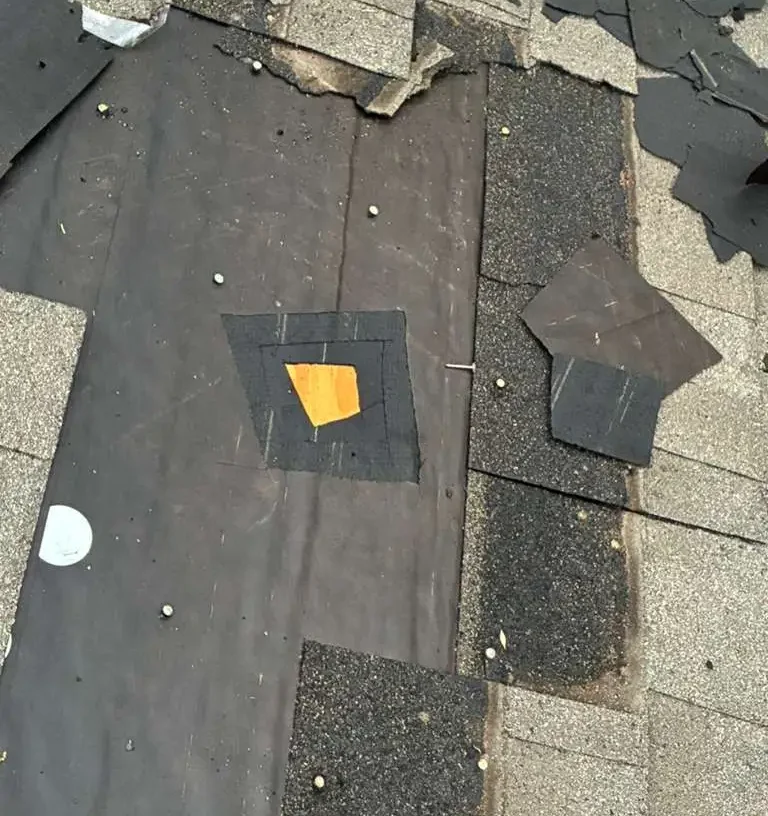

Your Year-Round Roof Maintenance Checklist Foundation
Before we go season by season, start with a few habits. These form the base of any good roof maintenance checklist. They are simple, but they matter.
- Inspect twice a year, plus after every major storm.
- Keep a photo log of your roof. Dated photos help a lot with insurance claims.
Know your roofing material too. Asphalt shingles, metal, and tile all age differently in Austin heat. Knowing what you have helps you spot trouble early. A quick professional roof inspection can set your baseline.
Spring Roof Maintenance Checklist: Peak Hail Season
Spring is Austin’s riskiest season for roofs. Warm Gulf air meets cool fronts, and hail forms fast. This is when most storm damage happens. So spring care is your best defense.
Walk your property after each storm. Look up at the roof from the ground first. Then check inside your attic for new stains. Small signs now can save you thousands later.
Here is what to do in spring:
- Check for hail bruising, granule loss, and cracked or curled shingles.
- Inspect flashing around chimneys, vents, and skylights.
- Clean gutters and downspouts of oak debris and pollen.
- Look for water stains or musty smells in the attic.
- Trim tree limbs before storm season hits.
After a big hail storm, act fast. Texas insurance policies often cover hail damage, but timing matters. Most companies want claims filed within a set window. A quick inspection within 30 days is now the smart standard. If you see damage, learn the signs of storm damage every Austin homeowner should know before you call anyone.
Summer Roof Maintenance Checklist: Beat the Heat
Summer heat is brutal on Austin roofs. The sun never seems to quit. UV rays dry out shingles and cause them to crack. Over time, this shortens your roof’s life by years.
Your attic plays a big role here. Poor airflow traps heat under the roof. That heat cooks your shingles from below. Good ventilation keeps things cooler and cuts your energy bills.
Do these things during the summer months:
- Look for UV damage like fading, warping, or blistering.
- Check attic ventilation and make sure air moves freely.
- Inspect seals around skylights and solar panels.
- Remove moss or algae while the roof is dry.
Want a cooler home and a longer-lasting roof? Consider a radiant barrier or reflective “cool roof” upgrade. Light-colored shingles and metal roofing bounce sunlight away. This lowers your cooling costs during those long Austin summers.
Fall Roof Maintenance Checklist: The Second Storm Peak
Fall brings a second round of hail and wind to Central Texas. September and October can be rough. So do not let your guard down after summer. Now is the time to prep for winter rains.
Clear all the debris first. Oak leaves and pine needles pile up in valleys and gutters. When gutters clog, water backs up and finds its way inside. That leads to rot and leaks you never saw coming.
Your fall checklist looks like this:
- Clear leaves, pine needles, and debris from the roof and gutters.
- Re-inspect for leftover summer heat damage or storm damage.
- Make sure downspouts push water away from your foundation.
- Check and reseal flashing before winter rains arrive.
- Install gutter guards if you want less cleanup later.
A fall inspection catches weak spots before cold weather sets in. It is easier to fix a loose shingle now than during a January storm. If you spot damage, our team handles residential roof repair in Austin all year.
Winter Roof Maintenance Checklist: Mild but Not Risk-Free
Austin winters stay mild, but they are not risk-free. We get freeze-thaw swings and the odd hard freeze. Remember the 2021 ice event? Sudden cold snaps can crack brittle shingles and cause leaks.
Heavy winter rain is the bigger concern most years. Water tests every seal and every valley on your roof. So keep your drainage clear and your eyes open. A little winter attention keeps small issues from spreading.
Check these items in winter:
- Inspect for cracked or brittle shingles from temperature swings.
- Check the attic for condensation or moisture.
- Watch for leaks after any hard freeze.
- Keep gutters clear so water drains freely.
Never climb an icy or wet roof yourself. It is not worth the risk. If you suspect damage after a freeze, call a pro instead.

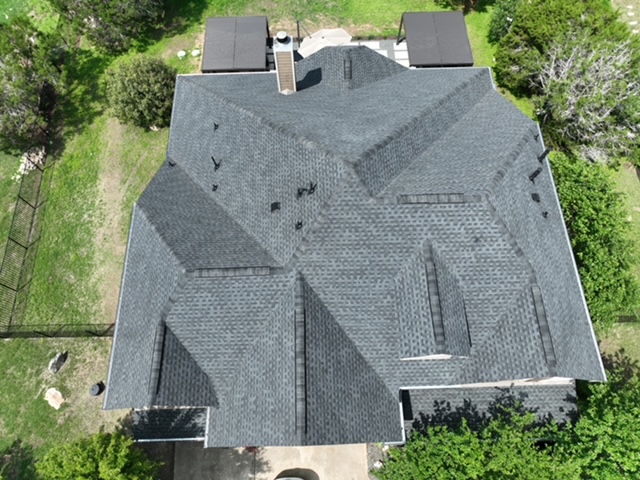
Warning Signs You Need Repairs or Replacement
Even with a solid roof maintenance checklist, roofs age. Austin’s climate speeds that up. Knowing the warning signs helps you act before a small fix becomes a big one.
Watch for lifted, curled, or missing shingles. Look for granules piling up in your gutters, since that means your shingles are wearing thin. Interior leaks, ceiling stains, or daylight through the roof boards are serious red flags. Rising energy bills can also point to poor ventilation or insulation.
Sometimes a repair is not enough. Widespread damage, a sagging deck, or an old worn-out roof may call for replacement. A trusted local roofer can tell you which path makes sense. Getting ahead of hail damage roof repair often costs far less than waiting.
DIY vs. Hiring a Pro in Austin
You can handle plenty from the ground. Clearing gutters, trimming limbs, and scanning for obvious damage are all safe DIY tasks. But climbing on a steep or wet roof is risky. Leave the close-up inspections to trained pros.
Austin has another catch: storm chasers. After every big hail storm, out-of-state crews flood the area. Many are unlicensed and disappear after doing shoddy work. Always hire a licensed, insured, local roofer who follows manufacturer standards. That one choice protects your home and your wallet.
Keep Your Austin Roof Ready All Year
A good roof maintenance checklist is your best defense against Austin weather. Sun, hail, and storms never take a season off. But with simple seasonal care, you can spot trouble early and avoid costly repairs. Your roof protects everything under it, so it deserves that attention.
You do not have to do it alone, either. At Altitude Roofing, we know Central Texas roofs inside and out. Our local team offers honest inspections, clear advice, and fast service when you need it. Reach out today and let’s keep your roof strong through every season.
Frequently Asked Questions
How often should I inspect my roof in Austin?
Inspect it at least twice a year, in spring and fall. Also check after any major hail or wind storm. Regular checks catch small issues early.
Does homeowners insurance cover hail damage in Texas?
Yes, most Texas policies cover hail damage. But you usually must file within a set time after the storm. Fast documentation gives you the best shot at approval.
How long do asphalt shingles last in Austin’s heat?
Most asphalt shingles last around 15 to 25 years here. Intense UV and heat can shorten that. Good ventilation and upkeep help them last longer.
What is the best roofing material for the Austin climate?
Metal and impact-resistant shingles handle our heat and hail well. Both reflect the sun and resist storm damage better than basic shingles. The right choice depends on your budget and home.
Should I get my roof inspected after every storm?
Yes, especially after hail larger than a pea. Even small hail can leave hidden damage. A quick inspection within 30 days protects your claim options.

