 Skip to content
Austin summers are brutal. The sun beats down for months, hail storms roll in fast, and your roof takes the hit every time. That’s why more homeowners across Central Texas are turning to standing seam metal roofing. It’s not just a trend. It’s a smart, long-term fix for a tough climate.
If you’ve driven through Dripping Springs, Lakeway, or Driftwood lately, you’ve probably noticed more sleek metal roofs popping up. Homeowners are tired of replacing shingles every 15 years. They want something that lasts, looks great, and saves money on energy bills. Standing seam metal roofing checks all those boxes.
In this guide, we’ll break down what standing seam metal roofing is, why it works so well in Austin, and how it stacks up against other options. We’ll also answer the most common questions homeowners ask before making the switch. See our full metal roofing installation and repair services in Austin
What Is Standing Seam Metal Roofing?
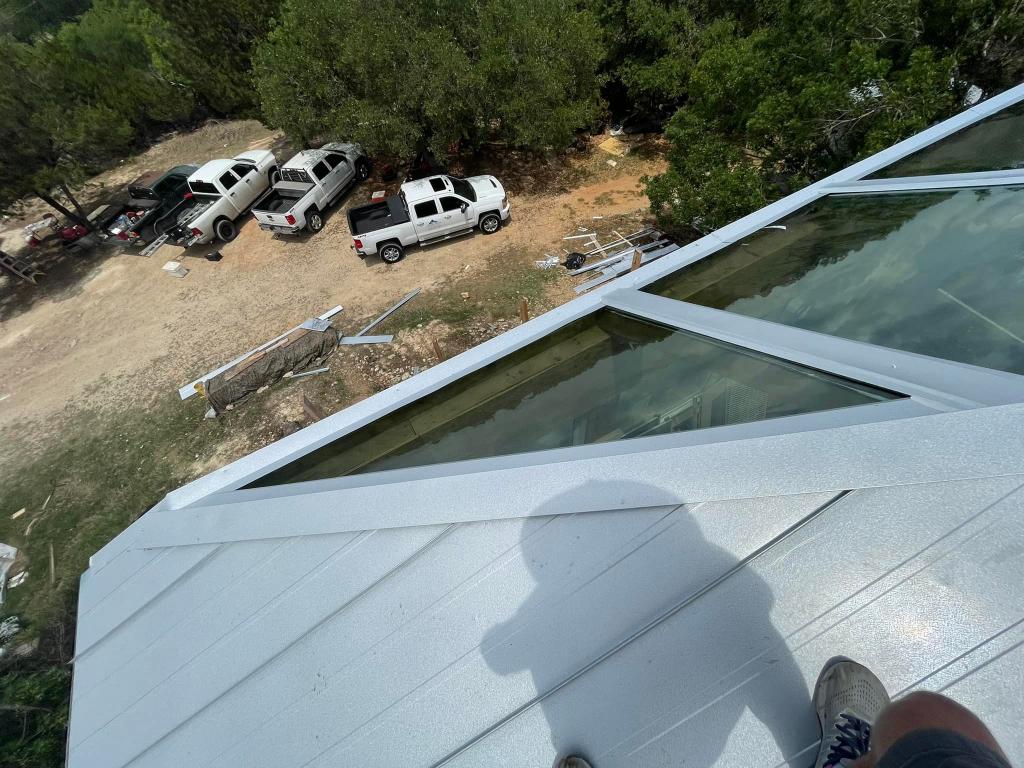
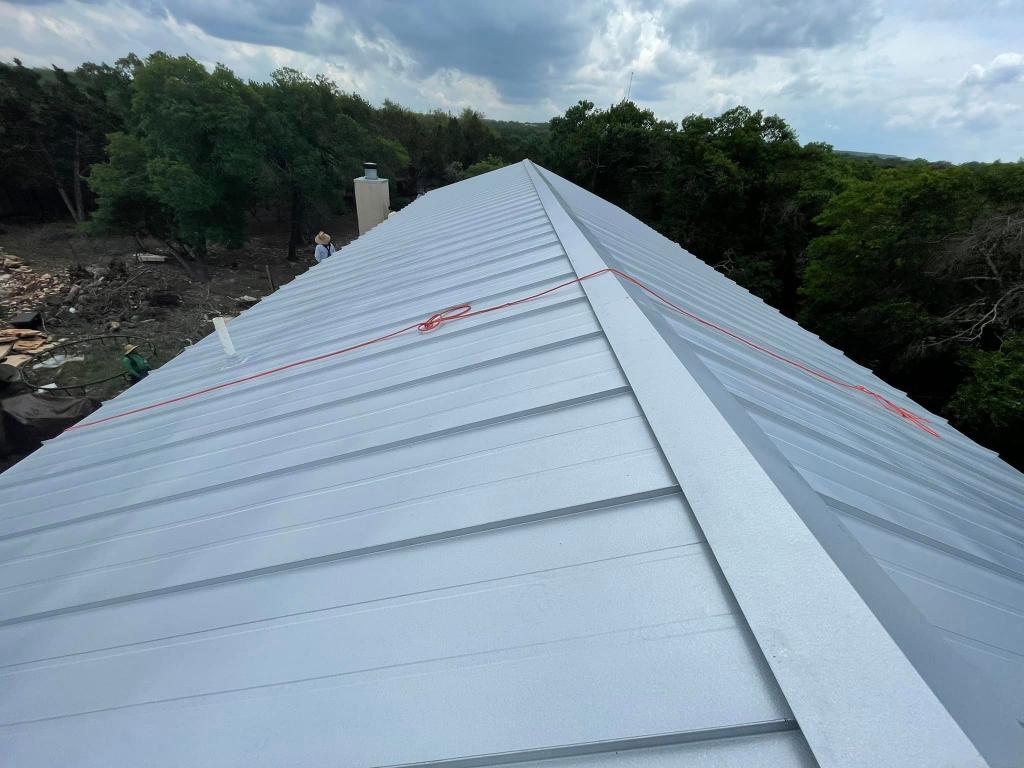
Standing seam metal roofing is a system made of vertical metal panels. These panels run from the roof’s ridge down to the edge. Raised seams connect each panel to the next.
Here’s the key part. The seams hide all the fasteners. There are no exposed screws or nails sitting on top of your roof. This design keeps water out and gives the roof a clean, modern look that homeowners love.
Compare this to older corrugated metal roofs. Those have exposed fasteners. Over time, those fasteners loosen. Then water gets in. Standing seam roofing solves that problem completely.
Why Austin Homeowners Are Switching to Standing Seam Metal Roofing
Texas weather doesn’t play fair. One week it’s 100 degrees. Next, you’ve got golf-ball-sized hail falling from the sky. Standing seam metal roofing holds up to both extremes, and that’s a big reason it’s gaining ground here.
It Handles the Texas Heat Better
Metal reflects sunlight instead of soaking it in. This keeps your attic cooler. A cooler attic means your AC doesn’t have to work as hard.
Some studies show reflective roofing can cut cooling costs by up to 15%. In a city where summer electric bills can get scary, that adds up fast. Many standing seam systems also pair well with cool-roof coatings for even better performance.
It Survives Hail and Storms
Austin gets its fair share of severe storms. Hail damage is one of the top reasons homeowners call for a roof inspection every spring. Asphalt shingles crack and lose granules under hail impact.
Standing seam metal roofs shrug off most hail without a problem. The raised seams add strength. The panels flex slightly and bounce back. This is one major reason metal roofing has become a go-to choice after storm damage roof repair calls spike each year.
It Lasts Decades Longer Than Shingles
Asphalt shingles typically last 20 to 30 years here, and that’s if you’re lucky. Texas heat speeds up wear and tear. Standing seam metal roofing, on the other hand, can last 40 to 50 years or more with proper care.
That’s basically a one-time roof for most homeowners. Fewer replacements mean less hassle and lower lifetime costs. We put the two side by side in our full metal roof vs. asphalt shingles comparison.
It Needs Almost No Maintenance
Metal doesn’t rot. It doesn’t attract pests. It won’t lose granules in your gutters every storm season. Once it’s installed correctly, you can mostly forget about it.
We still recommend a check-up every couple of years. But that’s a far cry from the yearly inspections shingle roofs often need.
It’s Built for Fire and Wind Resistance
Standing seam metal roofs carry a Class A fire rating. That’s the highest rating available. In areas around Austin where wildfire risk is real, this matters.
The panels are also rated for high wind speeds. Strong gusts during spring storms won’t peel them off the way they can with shingles.
It’s Solar-Ready
More Austin homeowners want solar panels these days. Standing seam roofing makes installation easier. Installers can clamp solar mounts onto the raised seams.
No drilling into the roof means no new holes and no new leak points. If solar is in your future, this roof type sets you up well.
The Role of Galvalume Coating
You can’t talk about standing seam metal roofing without mentioning Galvalume. This coating is a big reason these roofs resist rust for so long.
Galvalume is a blend of zinc, aluminum, and a touch of silicon. The zinc acts as a sacrificial layer. It reacts with oxygen first, so the steel underneath stays protected.
- Standard galvanized coatings are pure zinc and wear down faster
- Galvalume holds up far longer against Austin’s humidity and heat swings
- Most quality standing seam panels use Galvalume as a base layer, even under paint finishes
This coating is part of why manufacturers back these roofs with such long warranties.
Snap-Lock vs. Mechanical Lock Panels
Not all standing seam panels are the same. Two common types exist: snap-lock and mechanical lock.
Snap-lock panels click together without special tools. They’re easier to install and repair. They also handle thermal expansion well, which matters a lot in Texas where temperatures swing wildly between day and night.
Mechanical lock panels need a seaming machine to crimp the seams tight. They offer slightly better wind and water resistance for steep-slope or coastal applications. For most Austin homes, though, snap-lock is the practical, cost-effective choice.
Busting Common Myths About Metal Roofs
A lot of homeowners hesitate because of old myths. Let’s clear a few up.
“It’ll look like a barn roof.” Not anymore. Standing seam panels come in dozens of colors and finishes. White and black are popular, but you can match almost any style.
“Metal roofs are loud in the rain.” With proper decking and insulation, a metal roof sounds about the same as any other roof during a storm.
“Metal attracts lightning.” This isn’t true. Metal roofing doesn’t increase your odds of a lightning strike. If anything, its fire resistance makes a strike less dangerous.
Custom Fabrication Matters
Many roofers order pre-cut panels from a warehouse. The problem? Every roof is different, and stock sizes don’t always fit right.
A roofer who fabricates panels on-site can match your exact roof dimensions. This cuts down on gaps and seams that don’t line up. Fewer gaps means fewer chances for leaks down the road.
What About Cost?
Standing seam metal roofing in Austin costs more upfront than asphalt shingles. There’s no way around that fact. But the math changes when you look at the long run.
Lower energy bills, fewer repairs, and a roof that can outlast two or three shingle roofs add up. Many homeowners find the investment pays for itself over time. If you’re weighing options, our team can walk you through residential roof replacement pricing based on your home.
Choosing the Right Contractor
Not every roofer has real experience with standing seam metal roofing. The installation process is more technical than laying shingles. Seams need to be sealed correctly. Panels need precise measurements.
Ask about experience first. Then ask about warranties on both materials and labor. A contractor who’s done dozens of metal roofs in the Austin area will know how local weather affects installation choices.
Conclusion
Standing seam metal roofing isn’t just a passing trend in Austin. It’s a practical answer to a tough climate, rising energy costs, and the hassle of frequent repairs. From better heat reflection to serious storm resistance, this roofing system gives homeowners real peace of mind.
If you’re thinking about making the switch, Altitude Roofs can help. Our team has the experience to install standing seam metal roofing the right way, with panels fitted to your home and built to handle whatever Texas throws at it. Explore our metal roofing services in Austin or schedule a free inspection.
Frequently Asked Questions
How long does standing seam metal roofing last in Austin?
Most standing seam metal roofs last 40 to 50 years with proper installation. Some can go even longer. That’s roughly double what you’d get from asphalt shingles in this climate.
Is standing seam metal roofing worth the higher cost?
For many homeowners, yes. The combination of energy savings, low maintenance, and long lifespan often outweighs the higher upfront price over time.
Will a standing seam roof make my house louder during rain?
No. Once installed over proper decking and insulation, it sounds similar to other roofing materials during rain or hail.
Can I add solar panels to a standing seam metal roof?
Yes. The raised seams allow installers to clamp solar mounts directly onto the roof. This avoids drilling new holes into the panels.
How often does a standing seam metal roof need inspection?
Every two years is usually enough under normal conditions. After a major hailstorm or windstorm, it’s smart to schedule a quick check sooner.
