Skip to content
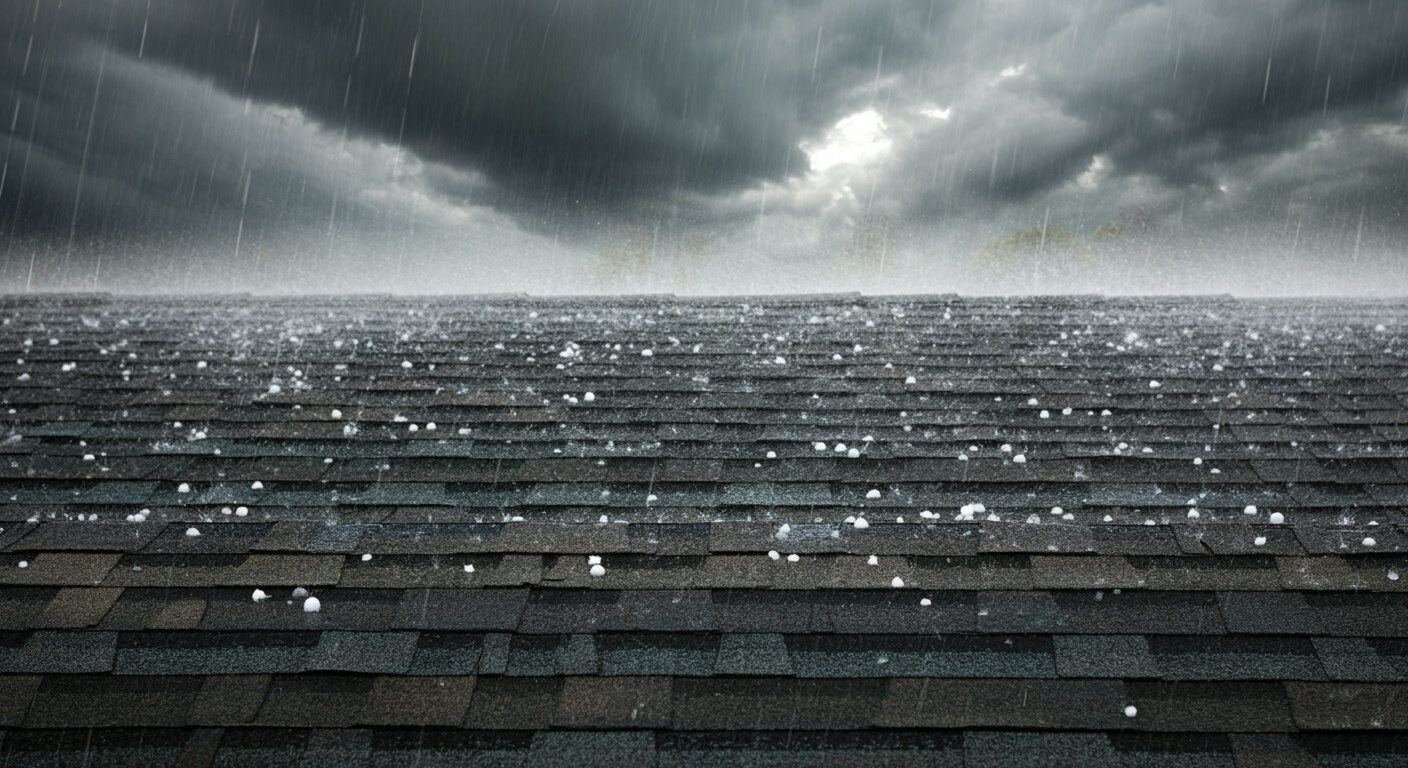
A bad storm hits. Wind rips off shingles. Hail leaves dents everywhere. Now you need to know what your storm damage roof repair costs will look like, and fast. The truth is, no two estimates look the same. Your neighbor’s bill might be half of yours, even after the same storm.
That’s because storm damage roof repair costs depend on a mix of things. Your roof’s material, its size, the damage type, and even where you live all play a part. This guide breaks down every factor that shapes your final number. By the end, you’ll know exactly what to expect and how to avoid overpaying.
What Do Storm Damage Roof Repairs Usually Cost?
Let’s start with real numbers. Most storm-related roof repairs fall between $392 and $1,913. Bigger jobs with hail or wind damage often land between $2,642 and $22,127, with the average sitting near $12,384.
Your final price depends on a few things. Material type matters a lot here. Asphalt shingles run about $3.50 to $6.00 per square foot to fix. Metal roofing can cost anywhere from $4.50 to $25 per square foot, depending on the metal type.
Tile and slate cost more. Clay tile runs $10 to $18 per square foot. Slate can hit $9 to $16. These materials take skill to install, and that skill isn’t cheap.

Key Factors That Affect Your Storm Damage Roof Repair Estimate
Storm damage roof repair costs never come from one single thing. Contractors weigh several factors before they hand you a number. Here’s what actually drives the price up or down.
Roofing Material
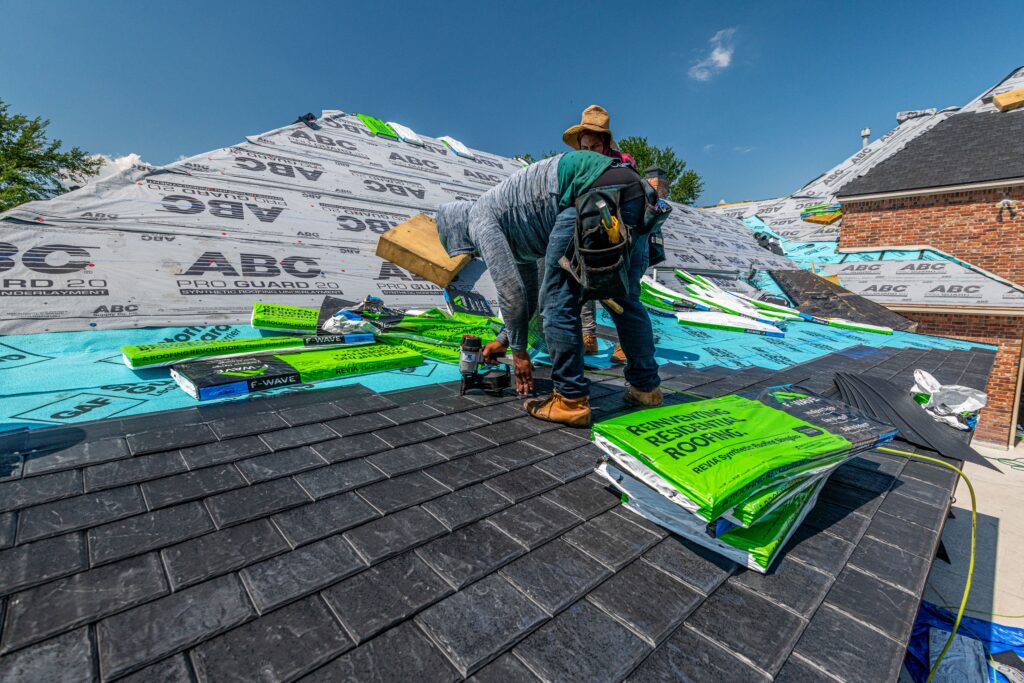
Your roof’s material is the biggest cost driver. Asphalt shingles are the most affordable to replace because they’re common and easy to source. Metal panels cost more to match and install correctly.
Tile roofs need careful handling. One wrong move can crack a tile that’s hard to replace. Older homes sometimes have discontinued materials, and finding a match can raise your bill fast.
Type and Severity of Storm Damage
Wind, hail, rain, and ice each damage a roof differently. Wind tears off shingles and weakens fasteners. Hail bruises the surface without always causing a visible leak right away.
This matters because hidden damage often costs more than what you see. Water can travel far from where it entered. A small leak on your ceiling might mean a much bigger problem in your attic. A proper roof inspection catches these hidden issues before they get worse.
Roof Size and Design
Bigger roofs need more material and more labor. That much is simple math. But the shape of your roof matters just as much as its size.
A steep roof takes longer to work on safely. Roofs with valleys, dormers, skylights, or chimneys need more careful detailing around each feature. Two homes with the same square footage can have very different repair bills because of this.
Labor and Regional Pricing
Labor costs shift by region. Areas with a higher cost of living tend to have higher labor rates too. Emergency repairs after a storm often cost more because contractors are in high demand.
Weather can also slow down labor. Rain, extreme heat, or freezing temperatures can pause work and stretch out your timeline. That extra time adds to your final invoice.
Hidden Structural Damage
Some of the priciest repairs hide beneath the surface. Roof decking that’s soaked with water can rot and weaken over time. Insulation that gets wet often needs full replacement.
Framing damage is the most expensive hidden issue. Rafters and trusses exposed to repeated moisture can lose their strength. Fixing this means carpentry work on top of standard roofing repairs.
How Insurance Affects Your Out-of-Pocket Cost
Your insurance company can cover most, or even all, of your repair after a storm. That said, coverage depends on your policy and your roof’s age. Roofs under ten years old usually get full coverage more easily.
Document everything before you file a claim. Take photos with timestamps. Write down what you saw and when the storm happened.
An insurance claim moves faster when you have solid proof. Once your insurer approves the claim, your only cost is usually your deductible.
Repair or Replace? Making the Right Call
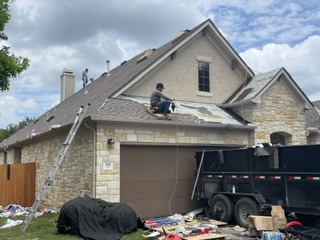
Not every storm means you need a new roof. Small, isolated damage on a newer roof usually just needs a patch. That keeps costs low and gets your home protected fast.
Older roofs tell a different story. If your roof already has years of wear, one more storm can push it past the point of easy repair. In that case, replacement often saves you money down the road.
Think about your long-term plans too. If you’re staying in your home for many years, a full replacement might make more financial sense than repeated patch jobs.
Ways to Lower Your Storm Damage Roof Repair Costs
You can’t stop a storm. But you can control how much it costs you afterward. Small habits make a real difference here.
- Call a contractor as soon as you spot damage, since small leaks grow fast into bigger ones
- Keep gutters clean and trim nearby trees to limit future storm damage
- Get two or three written estimates before you agree to any repair
- Ask about warranties on both materials and labor
- Keep records of past inspections and repairs for faster insurance claims
Quality matters more than the lowest price tag. A cheap repair with poor materials often fails again within a year or two. That means you pay twice for the same problem.
Choosing the Right Contractor for an Accurate Estimate
Not every roofer gives you the same quote for the same job. Experience and honesty make a real difference in your final number. Always check for proper licensing and insurance before you sign anything.
A trustworthy contractor inspects your whole roof, not just the obvious damage. They’ll walk you through material options, labor costs, and any hidden issues they find. Our team at Altitude Roofing follows this exact process for every storm damage roof repair project we take on.
If your roof took a hit from hail specifically, our hail damage roof repair team can walk you through what a fair estimate looks like for that damage type. You can also try our free roofing cost calculator to get a ballpark number before you schedule an inspection.
Conclusion:
Storm damage roof repair costs depend on more than the damage you can see from the ground. Your roof’s material, size, design, and even your local labor rates all shape the final number. Hidden issues like wet decking or weakened framing can raise that number further if they go unnoticed.
The best way to protect your wallet is simple. Get a real inspection, compare a few honest estimates, and choose a contractor who explains their pricing clearly. That’s exactly what our team does at Altitude Roofing, and we’re ready to help you understand your storm damage roof repair costs before you spend a dime.
Frequently Asked Questions
How much do storm damage roof repair costs usually run?
Most repairs fall between $392 and $1,913 for minor damage. Larger hail or wind damage jobs average around $12,384, though the range can stretch from $2,642 to $22,127.
Will my insurance cover storm damage roof repair costs?
In most cases, yes. Standard policies cover wind, hail, and storm damage, but not damage from poor installation or long-term neglect.
Should I repair my roof or replace it after a storm?
Small, isolated damage on a newer roof usually just needs a repair. Widespread damage or an older roof often makes replacement the smarter financial choice.
How soon should I get my roof inspected after a storm?
Get an inspection within a few days if you can. Hidden damage spreads fast, and waiting often turns a small fix into a bigger, costlier one.
Can I lower my storm damage roof repair costs?
Yes. Acting quickly, getting multiple estimates, and choosing quality materials all help keep your total cost down over time.